After a number of unfortunate scheduling fails, I’m delighted to report we finally connected with Alison Arngrim, who proved to be a spectacularly entertaining and animated interview subject. (You’re shocked, I know.) Enjoy! – WK
***
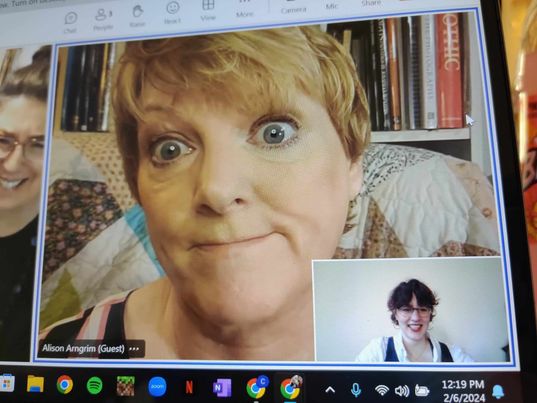
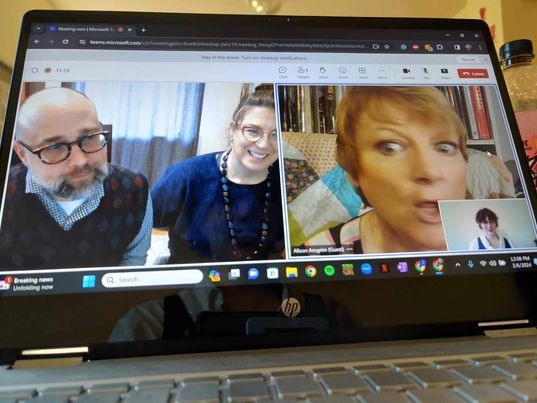
ALISON ARNGRIM: You don’t want, like, the laptop and the headphones? This is fine, right?
WILL: Oh no, we’re very low-tech. We’re neo-Luddites.
DAGNY: Well, speak for yourself. Yeah, we’re not going to make you sit in a closet or anything crazy.
ALISON ARNGRIM: Because I get these people and they go, “No, no, no, it has to be a laptop and you need the headphones and you need the state-of-the-art microphone.” Which I HAVE, but my phone has the better camera, it has every app and every platform on it.
WILL: And in terms of the format, we’ll use some stills from the recording, but it’ll be a transcribed interview to be read. We’re kind of dedicated to the written word.
ALISON ARNGRIM: Oh, so I didn’t really need makeup. I put makeup on and made sure my hair was high and tight.
WILL: Oh, we’ll definitely use pictures.
ALISON ARNGRIM: Oh, so there you go, awesome.
DAGNY: And you look amazing.
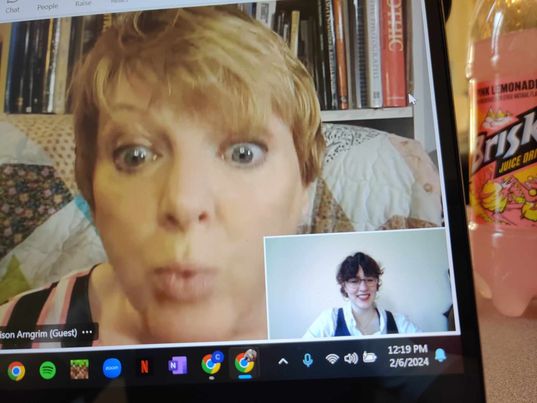
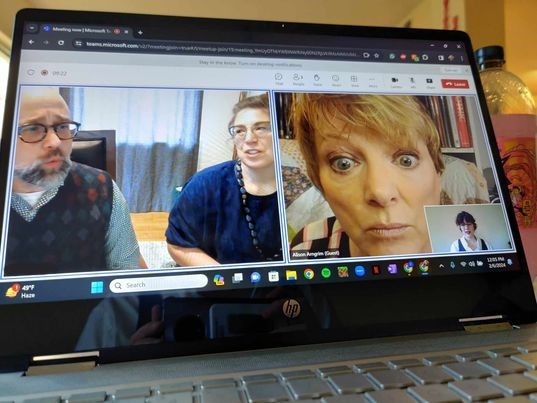
ALISON ARNGRIM: Thank you so much! I dressed up for this. I’m very excited and happy to be here. Who’s next to Will? You look lovely as well.
WILL: Well, we’ll introduce ourselves. So I’m Will. We use pseudonyms for the blog. Well, it’s the kind of thing that, well, I’m a professional businessman! I don’t want people to know that I’m obsessed with Little House on the Prairie in real life!
ALISON ARNGRIM [laughing]: Like on the Pamela Bob show, Livin‘ on a Prairie, with the guys in Bonnetheads Anonymous.
WILL: Oh, yes, she knows us, all right. She knows us.

[Pamela Bob is also hosting Little House Legacy: Fifty for 50, a podcast series about the show’s fiftieth anniversary.]
WILL: So yeah, Walnut Groovy was my brainchild during the pandemic. We thought it would be fun to, you know, to watch it as a family, but not . . . I mean, we are a wholesome family, right? But we don’t watch it WHOLESOMELY. We watch it pretty darkly. And I hope, pretty funnily too.
ALISON ARNGRIM: Well, this show gets really dark. That’s the thing, when people say “great, Little House on the Prairie, I can just put my children in front of it and walk away.” Like, no, no, no, because Ma’s cutting her leg off. No, don’t leave the children unattended. Serious things are happening.

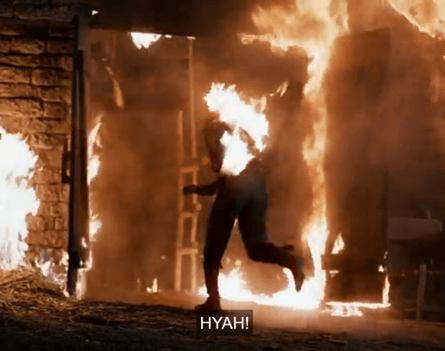
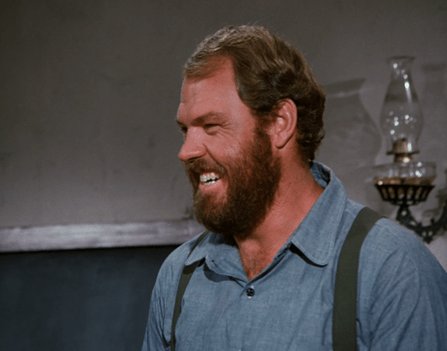
WILL: Yes, you know, we’re going through it slowly, and so we’re on Season Four and just the last one that we did opens with Jonathan Garvey, arguably the nicest guy in town – although, that’s a contested title – comes running out of the barn on fire. It’s like, isn’t this show for five-year-olds?
ALISON ARNGRIM: Yes, “Good morning, now the barn’s on fire, and Jonathan Garvey too.” Merlin Olsen, he was one of the nicest guys in real life too. So no acting required.
WILL: I’m glad to hear that.
WILL: Sorry, we’re getting into it already, but let’s finish introductions. Sorry.
ALISON ARNGRIM: No, I’m sorry. I’m chewing an ice cube. I’m weird, don’t do it.
WILL: This is my wife Dagny.
DAGNY: Yes, I’m Dagny. I’m probably the chief analyst of looking at women’s corset-wear and undergarments for how accurate they are.
WILL: Yeah, she does.
AMELIA: She’s weird.
DAGNY: And hairpins.
WILL: You know, our kids are often shocked by how often we comment on people’s bodies on the show, but we do it only for historical accuracy purposes.
ALISON ARNGRIM: I will for the purposes of this interview believe you.

WILL: This is Amelia, who is our daughter. All of our kids are adults, except, well, we do have Roman, our youngest. He’s seventeen. We all comment on the show together, but the content is really for adults, so please don’t feel like you need to censor yourself or keep it clean for the innocent ears of this child here who’s on the call with us.
ALISON ARNGRIM: Right.
DAGNY: Her mind is probably dirtier than both of ours and that’s saying a lot. Amelia, why don’t you introduce where you are too?
AMELIA: I’m calling in. I’m a student at a college in Iowa. I skipped a meeting for this so that I could be here. I got to be on for Melissa Gilbert as well and had a ton of fun with that. But things got moved around and so I’m the only kid that you get this time. But I’m the best of them, and the funniest.
ALISON ARNGRIM: I believe you. I’m sorry, all this makeup, makes my . . . It’s like, I love makeup, but as soon as I put it on, the powder, it’s like, and now I have to blow my nose. And I’m like, what is happening?
DAGNY: I hear you. Not only that, I also find that my eyes run when I put makeup on too, which is a delightful look.
ALISON ARNGRIM: If I just sneeze, it’s one thing. But like, if I sneeze more than once, then I start going, am I allergic to this? Do I need another brand? But today, I think it’s just I powdered heavily. I was shiny and so, my nose is going, ah, what is that there?
[BLOWS NOSE]
ALISON ARNGRIM: It’s much better now. Thank you.

DAGNY: We have formal questions prepared, but I’m curious. I don’t actually know, where do you live? Are you impacted by the California storms?
ALISON ARNGRIM: Yes, I am. I’m doing this from underwater! I am in beautiful Tujunga, which is almost in the Angeles National Forest. Back when we used to have the paper maps, we always joked about the “green pages,” the pages where like, you know, where it’s wilderness.
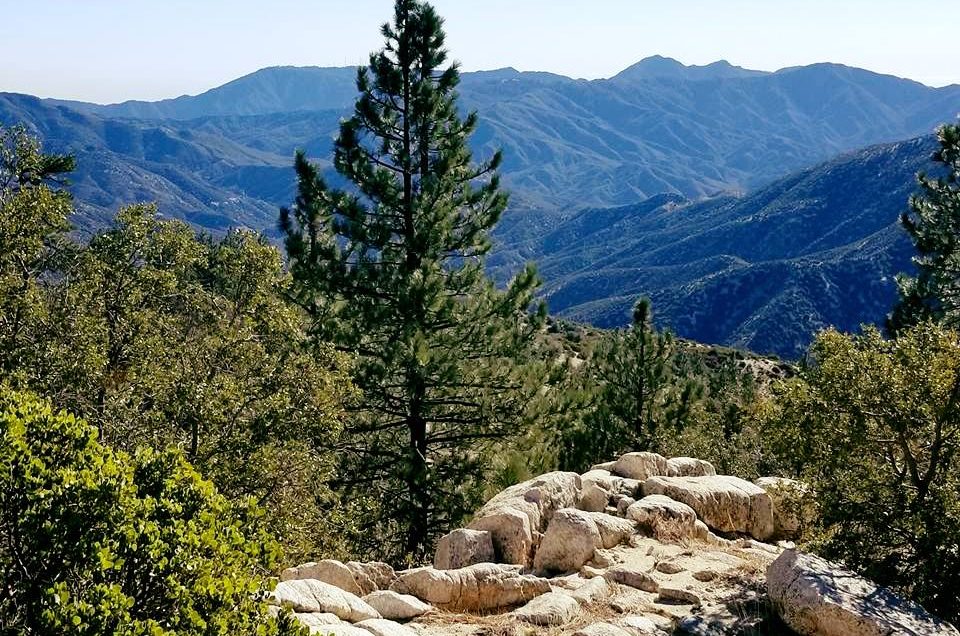
ALISON ARNGRIM: But however, yes, the rain, it’s just not stopping. In most of L.A., people don’t have electricity, and there’s been mudslides and potholes and sinkholes. Entire houses have slid down hills, but not up here. For some reason, this is all solid rock. Our powerlines in this particular neighborhood are all underground, so we almost never lose power. But eight hundred thousand people have lost electricity, I think, in L.A. Some streets are closed. There’s a lot of flooding. There’s a lot of mudslides and stuff. You could shoot the rapids in the street. But it’s in the street, it’s staying there. We’re at an angle like this. We’re way away uphill and it’s very steep. So everything’s running down, running down. Like, this is where people are evacuating to.
WILL: Meanwhile, here in Minnesota – I mean, it’s a running gag on the blog whenever we show the real pictures of the towns that are mentioned on the show, we always try to find the most wintry picture, because it’s almost never winter on the show, but it’s always winter here typically.

ALISON ARNGRIM: Yeah. We were in Simi Valley, for God’s sakes!
WILL: But this year in Minnesota, like, our entire January was averages in the fifties.
ALISON ARNGRIM: Yeah, it’s a freak winter. January here was summer. It was hot. It was really hot here in January, and now we’re having a monsoon. It’s all over the map because of global warming, it’s all going to hell in a handcart. They’re calling it the Pineapple Express. It’s a tropical storm out of Hawaii or something.
DAGNY: Oh, I thought that was something else.
WILL: It is. Everything has joke names now, like Boaty McBoatface.
DAGNY: Or the Manitoba Mauler.

WILL: Well, anyways, we’ll set aside the weather report I think at this point, but we’re very glad that you’re all right, and if you slip away during this interview we’ll assume that it’s a weather-related catastrophe.
ALISON ARNGRIM: Yes, you might see the water level rising and things start floating, but we’ll keep going as long as we can.
WILL: Well, we’re really delighted that you were able to talk to us. I know we used to connect on Twitter a while back. I don’t even know if you’re still on Twitter, but we’re not.
ALISON ARNGRIM: I hung on for a while. William Shatner got me my blue check when that controversy was going on. It was William Shatner – he’s a huge, huge Little House fan. So, like, Seven of Nine, Jeri Ryan, is another big Little House fan, and the Trek people were all talking about Little House one day, and it got really weird. I started talking to them, and so Shatner and I are, like, weird Internet buddies, and I got him a bunch of stuff for his charity auctions. It’s all very strange, but I woke up one morning and I had a blue check and I said “how bizarre,” and he said, “Not bizarre at all, happy birthday, dear.” And so he got me verified, got my blue check. We live in an age where James Tiberius Kirk gets Nellie Oleson verified on Twitter.


DAGNY: Well, so, speaking of eminent Canadians, like Shatner, I am Canadian-American too.
ALISON ARNGRIM: Oh yeah?
DAGNY: And so, we often feel that when Nellie’s being particularly fancy that a Canadian accent really comes out, and we’re quite attuned to this because you really do sound Canadian-born at those times.
ALISON ARNGRIM: Yes! So, like, first day of work – couple hours in. Richard Bull – Nels – comes up to me and says, “Say roof.” “Roof.” “Say about.” “About.” And he’s, like, “You’re Canadian, what is happening?”
[LAUGHTER]

ALISON ARNGRIM: My mother is from Vancouver and my father is from Saskatchewan. And so, being fancy, I would talk like my mother or my grandmother. I would put on my airs; and actually, my mother WAS fancy. She was “fancy Canadian,” because my dad was SO Prairie.
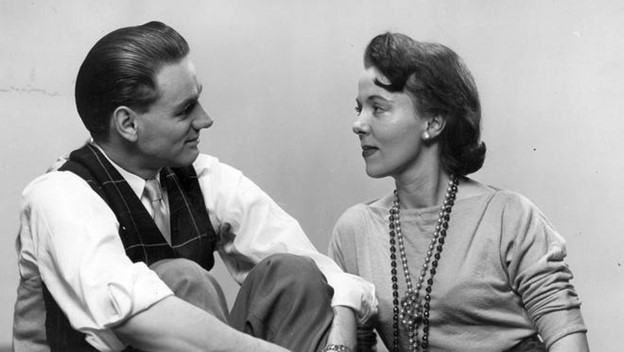
ALISON ARNGRIM: Basically, my mother was Nellie, and my dad was Albert Ingalls. My mother’s family was very well off and they lived in Vancouver. And if you know anything about Vancouver, I’ll just say this. My mother was from Shaughnessy Heights. Yes, Mummy was from Shaughnessy Heights, and she went to Prince of Wales school for, like, junior high and then York House School for girls. She was a York House girl. And yeah, currently the only girls who afford to go to York House now have parents from Saudi Arabia or from Hong Kong.

ALISON ARNGRIM: And she had ringlets too. That must have caused a problem in the family though, marrying someone from Saskatchewan rather than someone like, well, like she was.
WILL: Yeah . . . not the Prairie Provinces!

ALISON ARNGRIM: That’s right. She was supposed to marry a fancy person and, like, wear little white gloves and cut ribbons on bridges and throw tea parties.
WILL: Dagny here is from Winnipeg.
DAGNY: That’s right.
WILL: So, like, the lowest of the low.
DAGNY: Oh my God!

ALISON ARNGRIM: Oh, I’m related to half the families in Winnipeg! All the Arngrimssons are up in Winnipeg, the Icelandic branch, and then some of the Irish branch are there too. The Bannons and the Arngrimssons are all up in that hood.
DAGNY: That’s amazing. That’s really cool.
ALISON ARNGRIM: My father was an orphan. He was put up for adoption and was in a horrible orphanage and was adopted. He had malnutrition, rickets, by the time they took him out. And then we later found out his mother was working and sending money to the orphanage while they were starving him. It was Les Miz, it was Les Miz!
And he got adopted by the Arngrimssons, this big Icelandic family who had I think eleven total kids. He grew up on a farm. It was very Ingalls, and he milked cows and plowed, did the whole thing. But he was putting on shows in the barn and he left at, like, fourteen to be an actor, went to Vancouver, became a wildly successful actor/producer, and met my mother who had just graduated, like, debutante business school. So yeah, she was like Nellie Oleson married Albert Ingalls, basically.

WILL: Well! This is far deeper than we wanted to go.
DAGNY: But did he ever have any Icelandic that he learned? Because my amma spoke it, and my mom knew a little bit of Icelandic.
WILL: Dags is studying Icelandic herself right now.
DAGNY: It’s very difficult.
ALISON ARNGRIM: Oh, my father spoke almost all Icelandic when he was a little boy.
DAGNY: So he did speak Icelandic as a child!
ALISON ARNGRIM: And then, just like, as soon as he got on the train out of there, went south, my father said, “If I never see another goddam cow again, it’ll be too soon.”
DAGNY: Did he teach you any?
ALISON ARNGRIM: I kept asking him, but he only knew one or two words. Was it, like, blessa . . . like an all-purpose sort of blessing?
DAGNY: Well, the pronunciations are hard, because there are consonant sounds we don’t have in English, like stóll. So it’s . . . the double L sound comes out the sides of your mouth, which is very exciting, but I don’t really know exactly what to do with most of it.
ALISON ARNGRIM: Stóll.
DAGNY: Stóll.
ALISON ARNGRIM: Stóll.
DAGNY: Stóll.
ALISON ARNGRIM: So what does stóll mean?
DAGNY: It’s a chair.
ALISON ARNGRIM: Oh.
WILL: And gluggi! That’s window.
ALISON ARNGRIM: Oh. Well, the other one, it sounded like “I’m squatting” and it’s a swear word. It’s like, “damn you to hell.”
[EDITOR’S NOTE: Alison is likely referring to andskotans, which does mean “to hell!” or “to the Devil!”]
ALISON ARNGRIM: And my father only remembered it because his father said it when he was driving. Although he knew how to make vínarterta and did teach me how to do that.
WILL/DAGNY: Vínarterta!
DAGNY: Oh my God!
WILL: Oh, we know that very well – the nine layers, with the prune filling.
ALISON ARNGRIM: Yeah, the seven to nine layers, depending how crazy your grandma was. With cardamom, and almond. And I destroyed a blender. I burned out the motor in a blender, pureeing all those bloody prunes, like eighty-seven pounds of prunes and a bag of sugar.
WILL: Ha ha ha!

ALISON ARNGRIM: And then you make these giant cookies with the cardamom and the thing and it’s freaking delicious.
WILL: Oh, yeah, Dags puts cardamom in everything. She’s put us all off it, in fact.
DAGNY: Oh, now. Well, it’s so Icelandic, cardamom.
ALISON ARNGRIM: Yeah, it’s very good. But why were the Icelanders using a Middle Eastern spice? It’s what the Persians and the Icelandics have in common: cardamom. How did it get there in the first place?
WILL: It is bizarre, because Icelanders, they were late adopters of new technologies historically.
DAGNY: Well yeah, I don’t know, maybe the spice trade, you know, after all, the Vikings went everywhere.

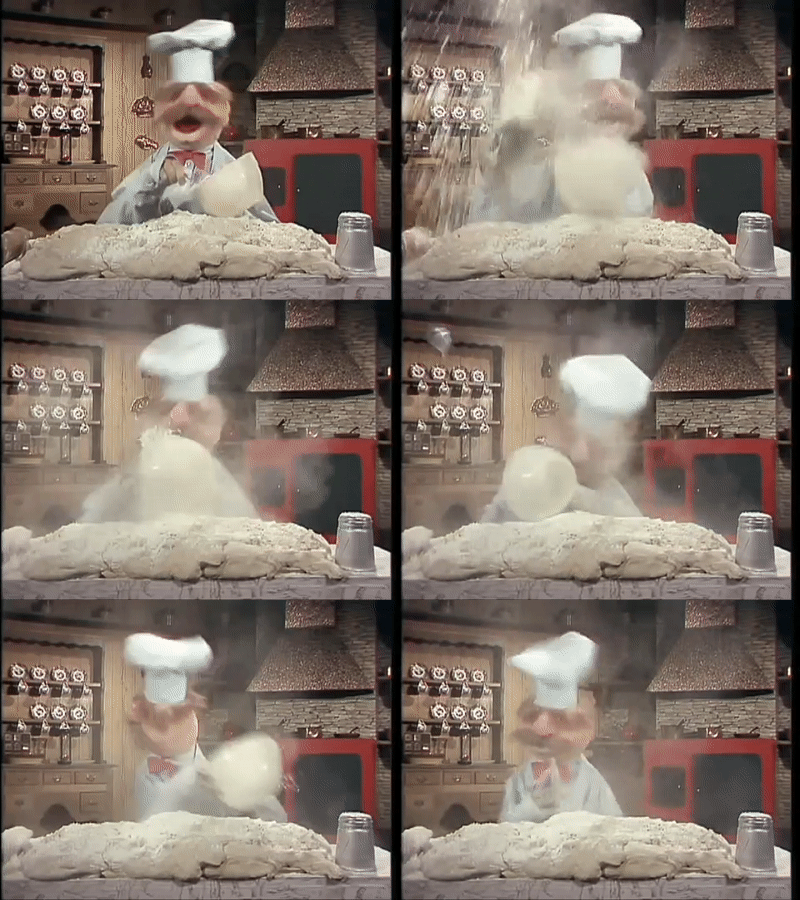
ALISON ARNGRIM: But listen, one day we were in Winnipeg. I went to Winnipeg for a talk show, and so my father said, “Oh, hey, let’s go visit the relatives that I haven’t seen in five thousand years.” I was, like, nineteen, and he’s just, we’ll just swing by the Sven Arngrimssons or whoever. And we get there and he’s like, “Oh, you know, they might want to speak Icelandic. I don’t know what I’m going to do. They’re going to want to speak Icelandic, oh crap.” And I’m, like, really fascinated. The door opens, and they’re just, like, goggle-eyed to see him. They had not seen him really probably at that point in thirty years. And so they were just hysterical and they said, “Thorhallur!” And then they said . . . well, it sounded like the Swedish Chef Muppet talking because it’s Icelandic, which is weirder than Swedish or Norwegian, know what I mean?
DAGNY: Uh-huh.
ALISON ARNGRIM: And I’m like, wow. And then my father looks like he’s been hypnotized or possessed and goes [SPEAKS FAKE ICELANDIC]. And I’m like, what’s happening? And they had an entire conversation! And then we walked in, and I looked at him and said, “What the hell was that?” And he said, “I have no idea.” I said, “What did you say?” He said, “I don’t know.”
DAGNY: That’s so hilarious.
ALISON ARNGRIM: He said, “I can’t translate back and forth.” He said it was like, they said, “Hi, how have you been?” and he said, “Oh, I’ve been great, how have you?” But he said, I can’t literally translate what the words were or what they mean. He just completely reverted and just started jabbering away, like he was talking backwards and it was really weird.
DAGNY: Did he know how to drink the coffee properly?
ALISON ARNGRIM: He knew how to respond properly, but that was sort of it, right? And he didn’t bat an eye when they brought out, like, seventeen courses of food. So they had, they gave us cake and coffee before dinner. They brought two entire cakes and coffee. And then we went to have dinner and there were eighty-seven things for dinner. And they’re passing bowls. Here’s your mashed potatoes, here’s chicken, here’s your thing. And it was normal food, it was regular American kind of food, potato and veggies. And we’re passing it, and then comes around a platter, with cold cuts and bread and cheese. Like, in case during your meal you needed a sandwich on the side, here’s baloney and cheese to make a sandwich to go with my entire dinner. And that went around, and then there was, like, vínarterta for dessert. And then we went back in the living room, and the two cakes came back out with the coffee and he said, “This is normal.”

DAGNY [laughing]: You know what’s so funny about that? This is like, I’ve lived here in the U.S. twenty-five years now, but certainly in that part of Manitoba, a dinner with a lot of people should last between like two and three hours. And my first few Thanksgivings here with Americans, it was such a shock, because people eat, and then they get up and they clear the table and like, wait, aren’t we like, aren’t we here for the long haul? I don’t understand?
ALISON ARNGRIM [laughing]: Now, my father kept that. I can say our Thanksgiving dinners went on marvelously. Bring it on, bring it on! We have lots of food. We just eat it over three days, you just keep eating. And my father taught me to cook and he was the greatest cook ever. And yes, his Thanksgiving and Christmas dinners and so forth, because he cooked like an Icelander. It’s like, “There’s only six people coming! What the hell is all of this?”
DAGNY: I was wondering, I was thinking with a name like Arngrim. You don’t see a lot of Arngrims.
ALISON ARNGRIM: Oh, I know. People in Iceland do write to me and go, “Okay, jig’s up, we all know you’re Icelandic, aren’t you?” So, yeah, I’m the official Icelandic celebrity. It’s Björk and me.
DAGNY: Well, and you know, when you go to Iceland, I think he’s retiring, but the President of Iceland married a woman from Ontario, so she’s Canadian as well. She actually wrote a really good book I would highly recommend called Secrets of the Sprakkar. And it is stories of women and how, really how feminism grew in Iceland and how developed it has been there.
ALISON ARNGRIM: Oh yes, women had the vote, they had a woman president, all that happened in Iceland.
DAGNY: Yeah, it’s so cool. It’s a really good book. I’d highly recommend it. And it’s a quick read. Just little stories. I was admiring the books behind you, so I think you could probably slide it in there.

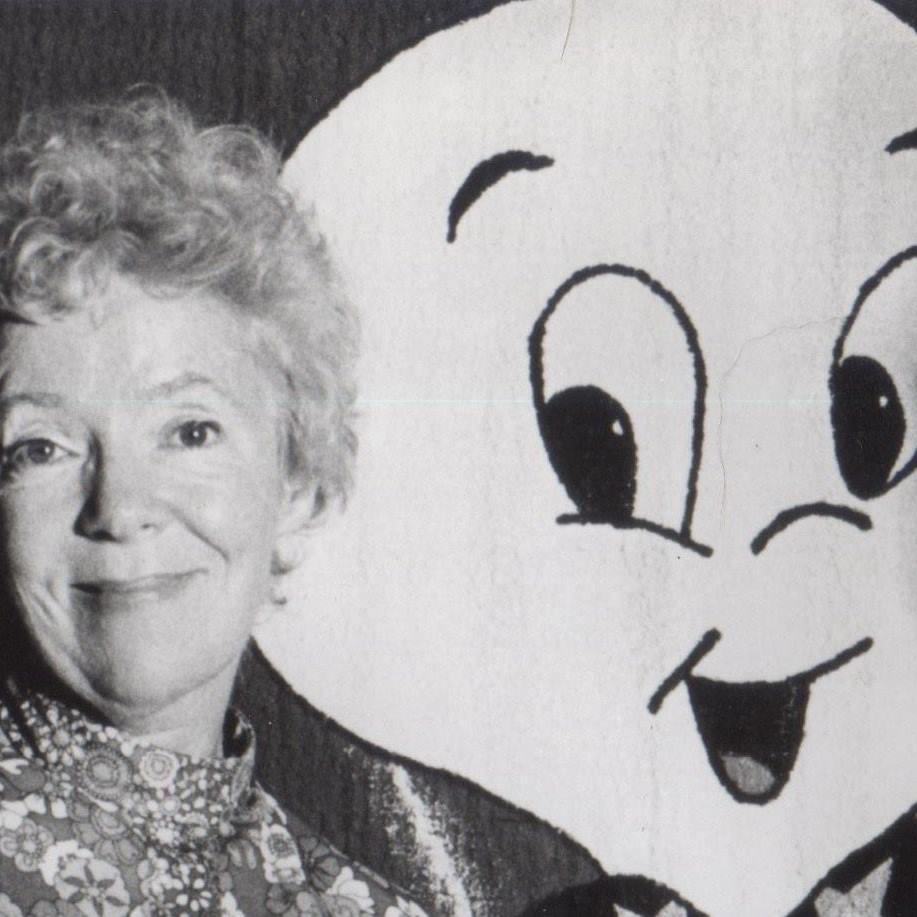
ALISON ARNGRIM: Yeah, yeah, yeah, I also have Casper behind me. [PRODUCING TOYS:] Here’s Casper and Davey and Gumby. So, my mother was the voice of all these characters.



WILL: And, well, and and you know, one thing – talking about books – like I said, we started this during the pandemic. And you specifically came back onto our radar because we saw that you were doing readings of the Little House books, right? Do you want to talk about that a little bit?
ALISON ARNGRIM: Oh, yeah! Okay, so January 2020, amazingly, I was in France, and people were just starting to talk about it. Is this a thing? Should we start worrying? I got a cold while I was in France, went to the doctor and she said no, it’s not the . . . I think they were still calling it SARS 2 or coronavirus. So I’m on the plane on the way home, and everyone’s totally fine, except there’s one couple who are masked up and sitting there clutching each other looking terrified. And I went, okay, they know something, this is not a good sign. And then of course, remember the first cases in America were from Italy. Yeah, so there was this huge Italian family in the row in front of me and they did everything but lick my face. I mean, they were just hugging and kissing everybody, having a party and they helped me with my luggage. And then I went to an event in Arkansas in February. I was at a comic book thing autograph show in February in Arkansas with Miss Beadle, our Charlotte Stewart, and people started saying don’t touch anything, don’t hug anybody. So we fist-bumped.
WILL: Oh, I bet!
DAGNY: Well, especially with her, because she’s, you know, she’s not a young chicken, even if she acts like one.
WILL: We spoke with her. Really, she’s wonderful.
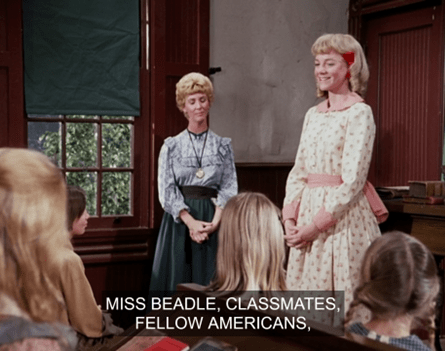

ALISON ARNGRIM: She’s fantastic, and she’s healthier than all of us. So, you want to hug her, but we could only fist-bump, and we found out where a secret bathroom was. You know, these huge convention centers, like, try to find the bathroom. We found out behind this curtain was some staff bathroom that nobody knew was there. And Charlotte and I went, “That’s OURS. Don’t tell anybody, this is OUR bathroom!” And we got up and, like, washed our hands every five minutes, and we were, like, “YES!”
[LAUGHTER]
ALISON ARNGRIM: So we survived and then we started going “This is gonna be okay,” and then one day in March, they closed Disneyland. I went “Okay . . .”, because they won’t close that place if it’s on fire. So I went, “Yes, sir,” I went, “Okay, now we’re in trouble,” and everything was canceled, so everything’s shutting down. And then my husband was still going to work. Well, basically, he went to work the first day and went, well, either I’m picking up my stuff, or they’ll have me stay. So we didn’t know. But he was declared infrastructure and transportation, so he became “essential.”
DAGNY: I was too.
ALISON ARNGRIM: And he got a piece of paper and went to work every day. So I was home by myself, but I sat on the floor with all of my bonnets – I have a huge box of bonnets right here –
[SHE HOLDS UP A BONNET AND PUTS IT ON.]
ALISON ARNGRIM: – I sat here with all my stuff going, what am I going to do? Everything’s been canceled. And my husband said, “Don’t worry, you’ll think of something. You always think of something.” And so at first I was just bored, and I thought, “I’m going to go reread the Little House books, in order.” I’d read them years ago, a few times, but I hadn’t read them in order and I thought I can watch how the characters develop. And I had just taken some fabulous acting workshop where they were saying you need to read aloud at home more often. It’s good for the diction. Read to the cat, read to your friends, read a magazine. So I went, ah, I’ll read them out loud. So then I went, wait a minute, everybody else is home and bored out of their tree, perhaps – well, first I also saw that Patrick Stewart was reading Shakespeare sonnets on Facebook. So I went, “Hmm.”

ALISON ARNGRIM: So next thing I know, I fire up the phone – and I only even knew how to do a Facebook Live because Baby Grace taught me. Wendy Turnbaugh had shown me how to do a Facebook Live during an event. So, next thing I know I’m like, “Okay, everybody, here’s what we’re going to do.” I said, “That bitch wrote a lot of books, and I’m going to start on Big Woods, Chapter One, page one. I got a stack here, she wrote all these and we can do this. We can keep this up for months.” So I started and people went nuts. They were bored and they all tuned in, and Little House was having this whole thing happening because we have an episode called “Quarantine” and an episode called “Plague.”


ALISON ARNGRIM: And suddenly The New York Times is writing about us and calling everyone for interviews. And then, you know, we all ran out of flour! You know, we all ran out of flour because everyone went, “Ma Ingalls made bread, and now I suddenly need to make bread.” So everyone made bread and there was no flour in the store. [LAUGHS]
ALISON ARNGRIM: So I just started reading and then I read all the Little House books.

ALISON ARNGRIM: Then I read Rose [Wilder Lane]’s books. I read all, like, Bill Anderson’s books – who I know, he’s a lovely person. I read all of his stuff.

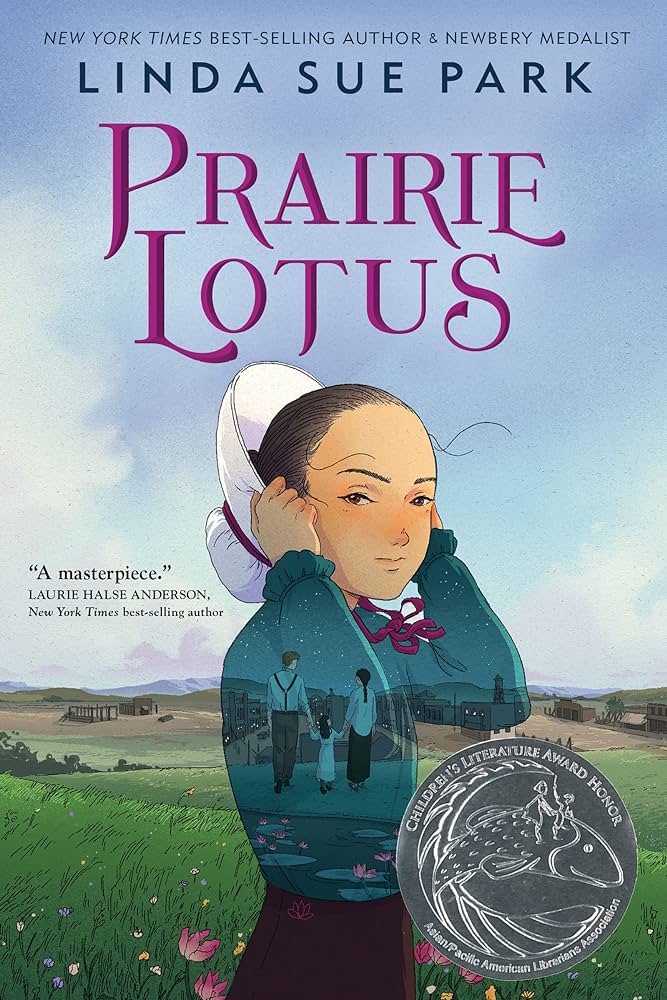
ALISON ARNGRIM: I read, oh gosh, what was it . . . Prairie Lotus, about a Chinese girl living in the 1800s in South Dakota. Do you know that one? Go get it, get it. A little Chinese girl and her dad, her mom has died, and they moved to, like, DeSmet, South Dakota, basically in the 1800s, and chaos ensues. But she’s totally Laura. She’s just the Chinese-American Laura. It’s brilliant.
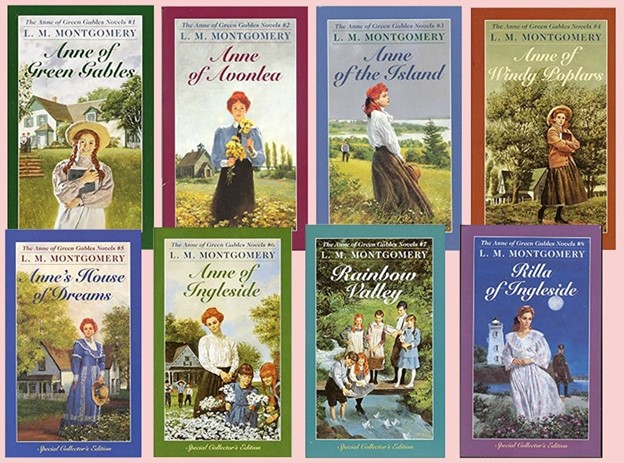
ALISON ARNGRIM: And then I read Anne of Green Gables, which is great . . . well, until like, around the second, third one, then it gets, like, insanely boring. What went wrong?
ALISON ARNGRIM: And then, yeah, the Wizard of Oz series.
WILL: Oh, talk about dark. They’re scary.

ALISON ARNGRIM: Very scary, and totally different than the movie. You know, even the first book. I’m like, “What do you mean the shoes are silver?”
WILL: Yeah, and the witch has one eye.
ALISON ARNGRIM: Have you read the others? Because there’s eight thousand Wizard of Oz books.
WILL: I read a few when I was a kid.
ALISON ARNGRIM: I read the one about the princess who was hiding in the peach pit, The Lost Princess of Oz.
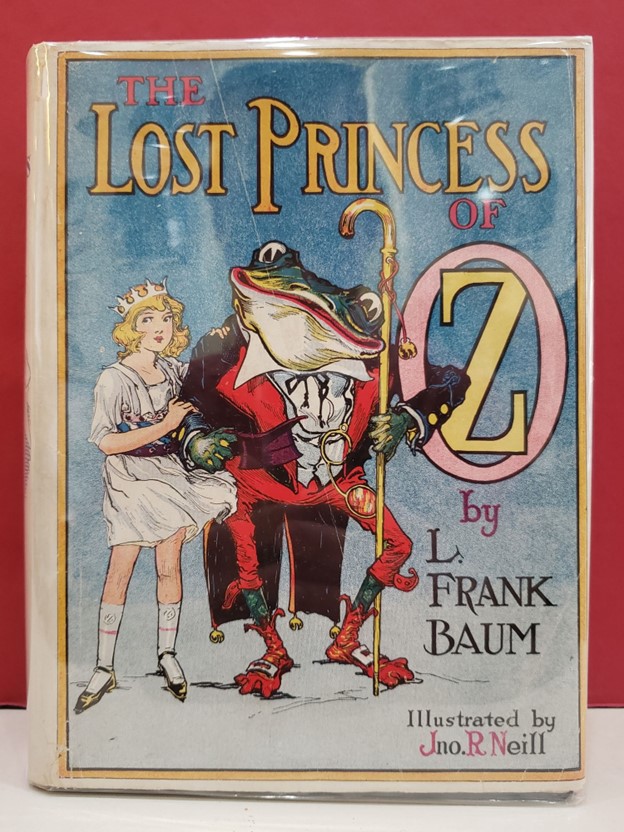
ALISON ARNGRIM: But starting around the fourth one he’s making stuff up. He’s just pulling characters out of nowhere, going, “And then there was there was a glass, and its name was . . .” I mean, it’s just, like, pathetic, and you start going, “This is dumb.”
[NOTE: The Wikipedia entry for The Road to Oz gives a partial list of characters that helps illustrate what Alison is talking about:]
. . . Dorothy, Scarecrow, Tin Woodman, Cowardly Lion, the Wizard of Oz, Jack Pumpkinhead, the Sawhorse, Tik-Tok, Billina, Jellia Jamb, Woggle-Bug, Hungry Tiger, the Good Witch of the North, Shaggy Man, Button-Bright, Polychrome, and characters from all over Nonestica such as Santa Claus, a band of Ryls, and a bunch of Knooks from the Forest of Burzee, Queen Zixi of Ix, the Queen of Merryland, four wooden soldiers, and the Candy Man from Merryland, the Braided Man from Boboland’s Pyramid Mountain, the Queen of Ev, King Evoldo, and his nine siblings from the Land of Ev, King Bud and Princess Fluff from Noland, and John Dough, Chick the Cherub, and Para Bruin the Rubber Bear from Hiland and Loland. . . . King Dox, King Kik-a-Bray, and Johnny Dooit. . . .

ALISON ARNGRIM: And so it bogged down and I gave up, same thing as with Anne of Green Gables.
WILL: So that’s not a new phenomenon? Like, milking a series as far as it’ll go, and beyond?
ALISON ARNGRIM: Right. And then Rose’s stuff. I think it’s called Hurricane Roar?
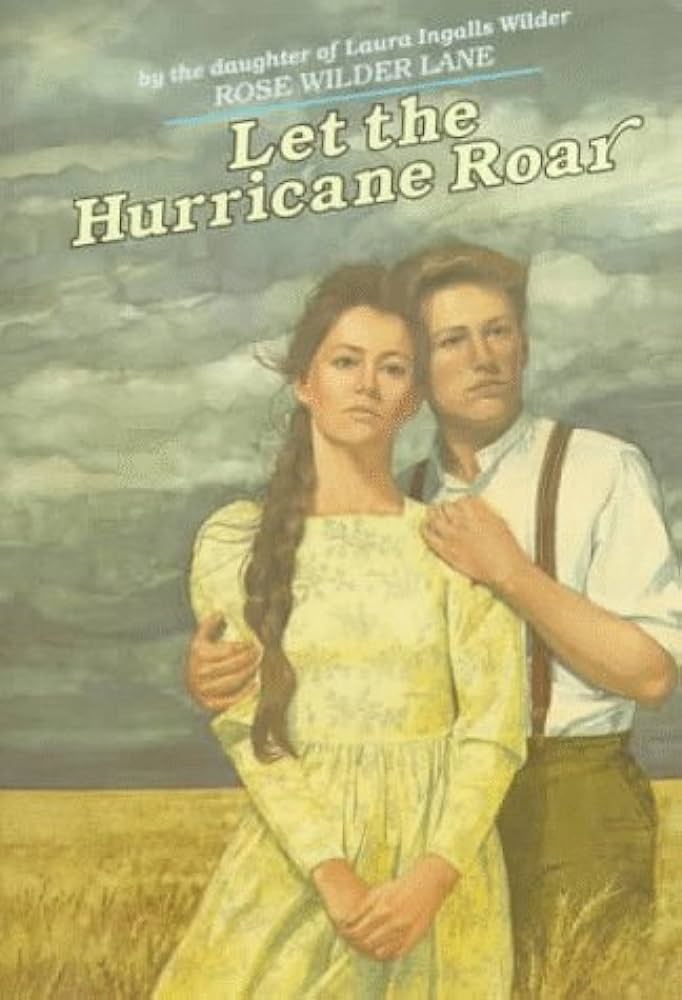
WILL: She was a little nutty. I haven’t read much of her stuff, but I know she was a . . . an interesting person.
ALISON ARNGRIM: She’s not that good. The idea that “oh, she wrote the Little House books” – no way.
WILL: Oh! So, having done a close reading of both, you don’t believe she did? Some people have said so.
ALISON ARNGRIM: No, no, because she was a big editor, she had had more experience in the publishing industry, and so she was like, “Yeah, you’re going to have to tighten that up.” And you can tell, because, like, in Little Town on the Prairie, you can tell she jumps in and DOES write a chapter in that. ’Cause suddenly at the fair in town, there’s a political speech and you’re like, what? What? What is happening?
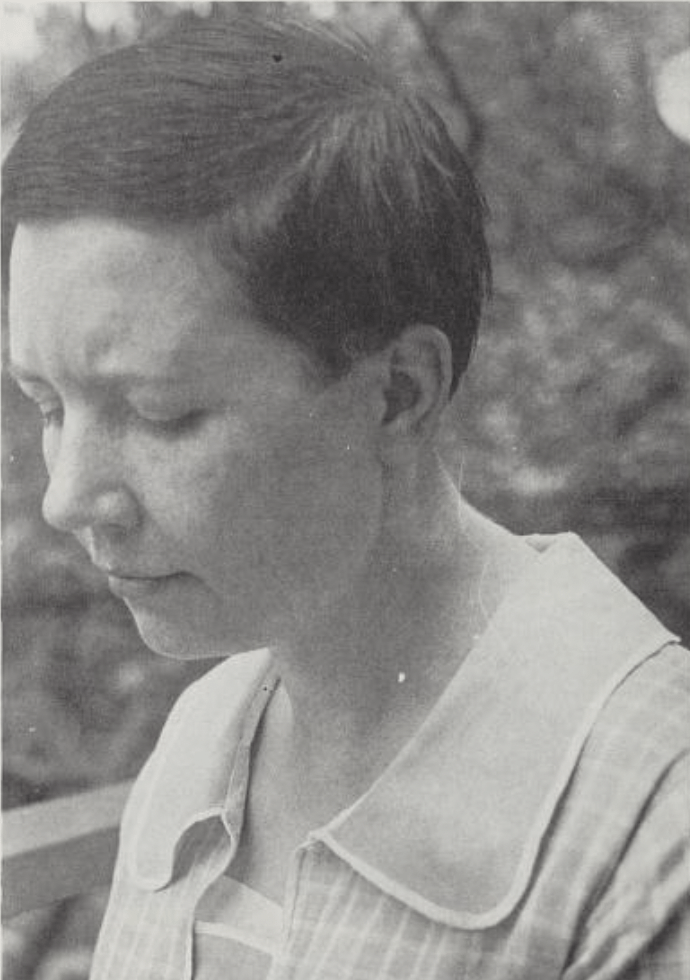
WILL: Ah, so you’re saying she wouldn’t be able to keep those obsessions out if she had done them all herself.
ALISON ARNGRIM: Yes, and she was a wannabe Dorothy Parker with all this kind of arch 1920s speak. Whereas Laura herself had, like, some kind of weird Hemingway thing going on. “I’m going to use the smallest number of words, strain the whole thing through a sieve,” and so it’s very bare-bones. She cuts everything away. Which is why you can still read them now and they don’t seem weird! But Rose’s stuff does seem weird. And you go, “Whoa, this is written in 1927, okay.”

ALISON ARNGRIM: And Hurricane Roar, it’s blatantly a ripoff – like, okay, are they Charles and Caroline? Are they Laura and Almanzo? And they’re named “David” and “Molly.” Who the hell is named David and Molly in the 1800s?
WILL: I suppose. “Molly,” I think, was a traditional name for cows in the Nineteenth Century.
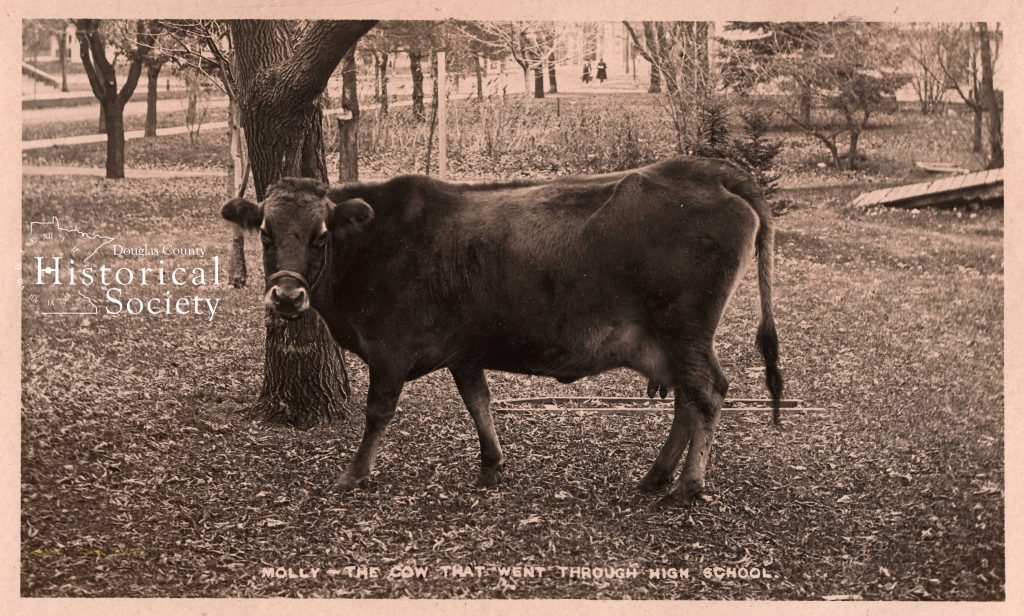
ALISON ARNGRIM: And Molly says things like to her baby, like, “That’s Mummy’s little man!” I’m like, “Let’s get these characters out dancing the Charleston!”
WILL: Ha! Yeah, tinkerty tonk!

WILL: But sometimes I wonder, like, you know, like, the age that the original cast is at now, if you were to pick up where you left off and do a continuation, it would be the 1920s.
ALISON ARNGRIM: Yeah, that’s right! That’s true. You saw the episode “Centennial.” That came out in 1976 during the bicentennial, and the idea was “We’re doing it a hundred years to the day!” That was our sort of idea, and we fudged it a lot, but approximately one hundred.

ALISON ARNGRIM: So now it would be 1924! I think Charles would already be dead. [NOTE: Yes, the historical Charles Ingalls died in 1902.]
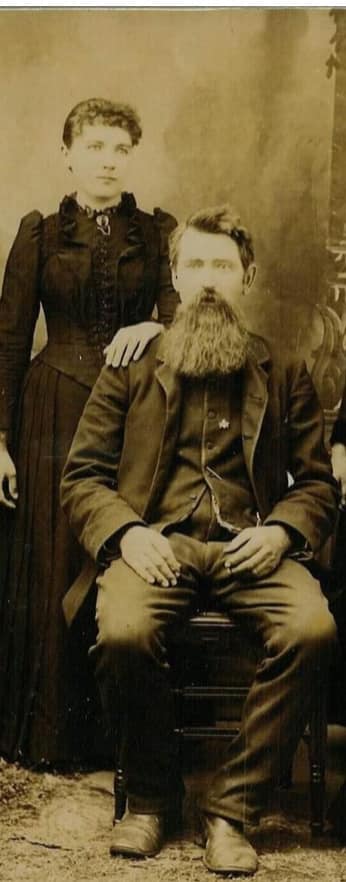
ALISON ARNGRIM: I think it would be very weird, and yeah, Laura would be out with Rose in California going to that convention, that Pan-Pacific Fair or whatever it was. So my favorite story in that is that they went to the movies and Laura hated Charlie Chaplin.
[NOTE: For those of you not familiar with this story – I wasn’t – in 1915 Laura and Rose attended the Panama-Pacific International Exposition in San Francisco. Rose was living in the city at the time, and her mother came to visit and sent Almanzo descriptions of exhibits including a statue called Pioneer Mother.]
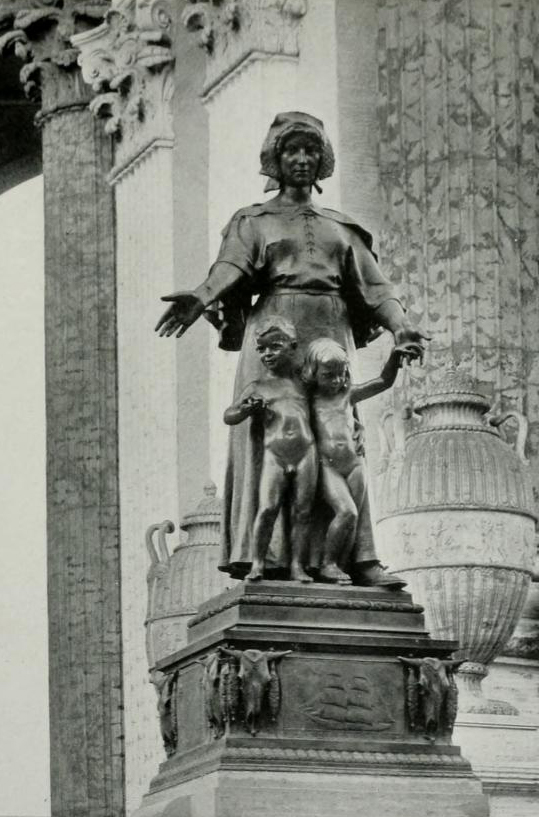
[As for Charlie Chaplin, I couldn’t find the specific story Alison mentions, but I was interested to learn that in 1916, Rose published an unauthorized biography about Chaplin that annoyed him so much he sued her. The letter she wrote in response in hilarious, and does in fact include much of the early-Twentieth-Century slang Alison mentioned above (“You’ve lived a life which makes a corking book,” etc.).]

WILL: It is hard to imagine the Little House characters in a different time period. But so, speaking of different time periods, can you reflect a little bit on the fiftieth? I mean, it’s amazing, that it’s still alive and still has this collective sparkle.
ALISON ARNGRIM: You know, where did the time go? I swear I was thirty-seven last week. What the blue hell happened? I am sixty-two damn years old. Fifty years? We just had the fortieth! How is this even happening? We’re all kind of going, like, it’s a blur. I mean, of course we’ve always said that, because it’s true. If you had told any of us during the show, people will not only still be watching this show, they’ll be talking about it, like, obsessively. And there will be new technology where they will talk about it. And millions of people all over the world, all over the world will be yammering on about the minutiae of various episodes. We would have said, “Yeah, you’re high.” And if they said, “Oh, and people will be coming to all of you in the cast to demand interviews and appearances and ask you, ‘In Season Four, Episode Six, the doorknob didn’t work, why was that?’”

DAGNY: You never dreamed it, huh?
ALISON ARNGRIM: No, we didn’t. Never. But you know who knew? Michael. Michael knew. And this story’s gone around because he told the story to Melissa. He said it to Melissa, he said it to Dean [Butler], he said it to several people. They’ll still be watching these shows when we’re all gone. When we’re dead and gone, they’ll be watching this show. And everyone he said it to went and like, said, he’s crazy. We’d all back slowly out of the room and go, “That’s nice,” and then say wow, he’s really nuts. And now, we’re all sitting here going, “Oh my God, no, he was right.”

ALISON ARNGRIM: We’re all amazed. We’re all in shock. Having traveled extensively to other countries and then met people from, like, a billion other countries, coming up to me, like, people from Sri Lanka, Borneo, Iraq, Israel, Iran, Colombia. Sometimes I will corner them and go why? What did it mean in Sri Lanka to watch a show with a bunch of blond, blue-eyed American crazy white people in covered wagons in a time and place that’s totally different from your country? And they were like, “Oh, yeah, you don’t get it, do you?” They said, “Most humans on Earth are not living like Dallas or Dynasty. They don’t have the giant apartment in New York like Friends while hanging out in a coffee shop with no job all day. The majority of people on Earth live in a tiny tiny tiny ‘little house’ of some kind with many children and wonder how they’re going to get enough money to eat next week. This is how people live,” they said, “so we can identify with that. We go, ‘Yeah, that happened to us.’” And everyone has a Mrs. Oleson at their job and everyone has a Nellie at their school, and everybody gets it. People dying, babies born . . . they said, “This is all stuff we could freaking relate to.” They said, “We loved other American shows but we’re kind of like, ‘What planet are these freaking people living on?’ We didn’t recognize it as anything from life. But Little House! We would go, ‘Oh, that happened last week. The cow died and it was a problem. It’s a problem if someone gets hit in the ass by a goat!’”

WILL: Well, we do see that at Walnut Groovy too. We do have some readers from South America and other places who write in, and I’ve engaged them on the same kind of questions, and that’s exactly what they say.
ALISON ARNGRIM: Yeah, it’s amazing. “The problems of the Ingalls are the problems of the entire world” is what I was told. My favorite one, though, was the guy from Sri Lanka. His village had electricity for six hours a day, and he used to watch Little House and his mother bought curtains ’cause the neighbors kept coming into the yard. Only a few people had a TV, and apparently his mother instead of inviting them in got mad when the neighbors would get in the yard, stare through the living room window to watch Little House. He said, “We only had two American shows at the time, and I was like, “Wow, what did you have?” He said, “We had Little House on the Prairie and Lost in Space. Our picture of America was very weird. We really didn’t know what you people did all day.”
WILL: The cultural bookends as far as TV shows go in our house, though, are Little House on the one end, and then on the other end, we have Love Boat.
DAGNY: Yeah, and we know that you were on Love Boat. You really tortured Vicki Stubing.

ALISON ARNGRIM: Right, on that one, I was evil again. I was a bitch, a bitch on a boat. That was great. I had no romance, though. Everybody goes on Love Boat and they fall in love, but not me.

ALISON ARNGRIM: Love Boat was fun, ’cause I was child star Becky Daniels who comes to film her TV show on The Love Boat. And I have my guardian, played by Nancy Kulp – Miss Hathaway, with the bowl cut.
WILL: Yes, yes! Miss Hathaway!
ALISON ARNGRIM: I remember she was greatest, greatest person ever. Oh my God, I wanted to be her.
WILL: They didn’t do enough with her on that Love Boat episode. But I loved her on The Beverly Hillbillies. Wasn’t she always like speaking in, like, didn’t she speak in French?

ALISON ARNGRIM: Sometimes on that show she did. And she was so cool. She was so cool. She was very grand. She was a very grand actress and did not suffer fools, and I just, I was like, I want to BE her. I told my Auntie Mary, “I want to be her. When I grow up, can I be Nancy Kulp? She’s so brilliant.” So we got along like a house on fire. Ronnie Schell played the director guy, and I had so much fun with him too.
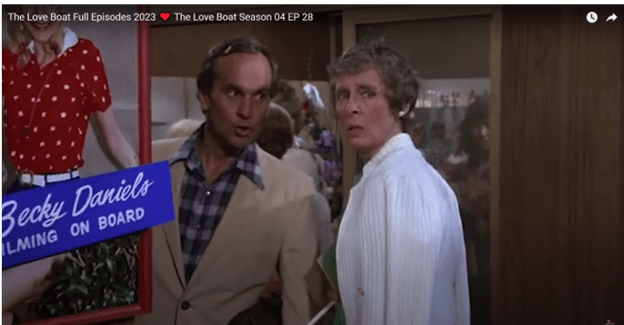
ALISON ARNGRIM: And Jill Whelan, who I’m still friends with . . . I just I was over at Jill Whelan’s house the last time I got back from France and brought her chocolate and wine and stuff. So she’s awesome. Even on the show, I was mean to her, but she forgives me.
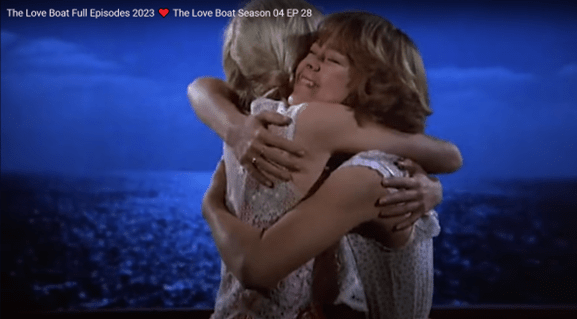
WILL: Yeah, well, I used to follow her on on Twitter too, and she seems like a fun person. Vicki was sort of the Carrie Ingalls of Love Boat.
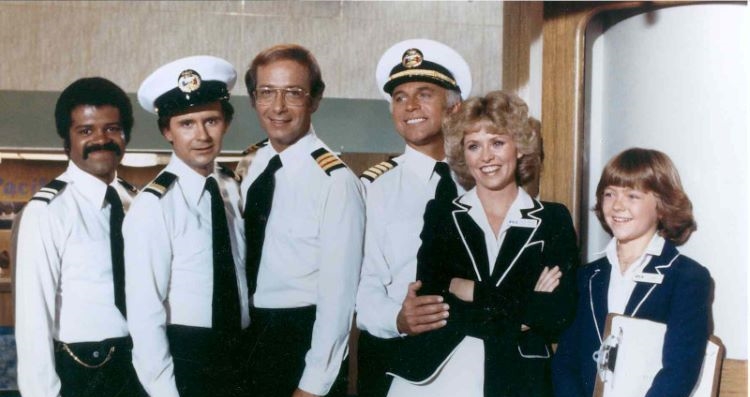
ALISON ARNGRIM: She’s lovely. So on Love Boat I learned the meaning of friendship, but I didn’t go out in the boat, because they would only take the real boat out twice a year. Charo, you know, ALWAYS got to go in the boat.

ALISON ARNGRIM: Certain celebrities got the boat, and then the rest of us had a piece of railing and a blue screen and went to look at the sea and no boat.
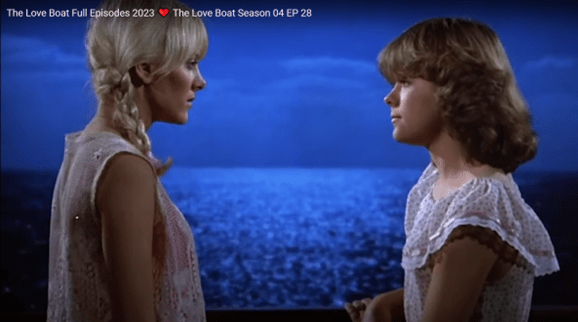
ALISON ARNGRIM: And the same on Fantasy Island – no romance. I was in the darkest episode of Fantasy Island ever.
WILL: Yeah, we don’t really watch that, but tell us about it.
ALISON ARNGRIM: Well, it’s like, all these lovely episodes about people achieving their dreams on Fantasy Island, falling in love. And this was an episode about human trafficking and child prostitution. So I’m, like, thanks.
WILL: What’s the title?
ALISON ARNGRIM: “Elizabeth’s Baby.”
WILL: We’ll look it up.

ALISON ARNGRIM: And then the same episode had Donny Most. Donny Most, I believe, wanted to be an artist and his muse is Michelle Pfeiffer.
DAGNY: What?
WILL: Donny Most and Michelle Pfeiffer?
ALISON ARNGRIM: Yeah!

ALISON ARNGRIM: And then Jan Brady, Eve Plumb, comes to Fantasy Island, and she’s pregnant and has a mystery disease where she won’t see her child grow up, and Tattoo is very upset and says [as HERVÉ VILLECHAIZE:] “Oh, boss, there’s nothing we can do, she’s not going to live, it’s terrible!”

ALISON ARNGRIM: And Ricardo Montalbán takes her into the future and her daughter has run away from home. And they do little scenes where you see the daughter as a little girl, who’s then played by the little girl from Poltergeist.
WILL: Oh! Uh, Carol Ann . . . Heather O’Rourke.


ALISON ARNGRIM: Yeah! And then she comes back and she’s a teenager, that’s me, who’s run away from home. The father’s remarried, she’s unhappy. She leaves, and they go to the end and she says, “Why are we in this terrible place, Mr. Roarke?” And I’ve become a big hooker and I have a pimp, and I’m in a brothel and I’m in spandex and being flung through a door.
DAGNY: You and Jodie Foster!
ALISON ARNGRIM: Yeah, me and Jodie Foster!
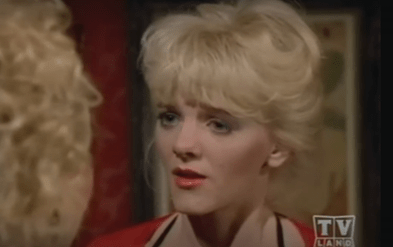
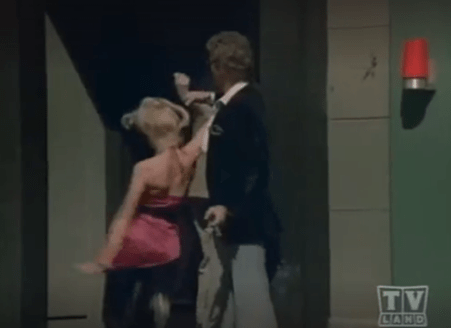
ALISON ARNGRIM: And then Eve Plumb, Jan Brady, does a Quantum Leap thing, she goes and sneaks into the brothel, and all the costumes, the costumes, the hair, the makeup, oh my God, it was a horror movie!
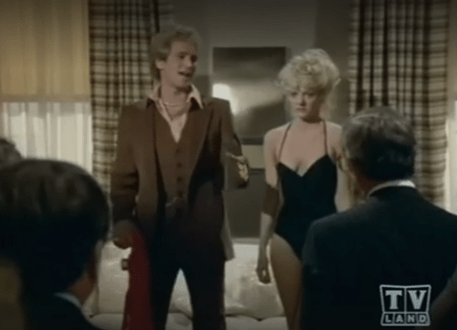
ALISON ARNGRIM: So she gets in and tries to save me and she winds up getting to a phone and calling her live husband, even though she’s dead. And he’s like, “What? What? Who is this?” I actually play a clip from this in my stand-up show, and every time he goes, “Who is this?” I go, “It’s Jan Brady, stupid!”

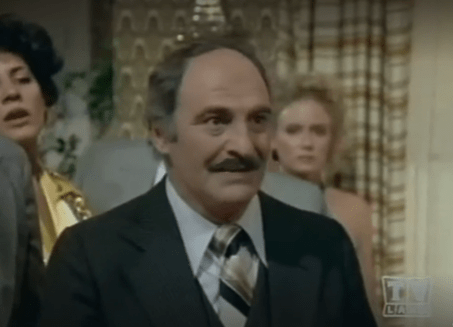
ALISON ARNGRIM: And it’s just so weird. And then the police come and she disappears. Like, who was that masked man? And I get rescued at the end, but it’s, I get auctioned. They’re selling me, they sell me. I’m in a tiny swimsuit, two sizes too small, and it was all completely horrible. And they’re going, “Hey, look,” and they sell me for five thousand dollars to Lucky Eddie, who is an old guy who looks like Wilford Brimley. And it’s a horrifying episode, it’s horrifying. So yeah, the eighties was a lovely time.

WILL: Wow. I mean, that might be our next project. Well, now we’re running out of time –
ALISON ARNGRIM: Oh! Do you have Prairie questions? I’m sorry, I’m talking about prostitution and vínarterta, what are you going to do with me?
WILL [laughing]: Yes, we’ve talked almost the entire hour without actually getting into your character on the show at all.
ALISON ARNGRIM: Oh no, I’m sorry!
WILL: No, no, here’s the thing, we can make do with this, and you know, we would love to, like, talk again at some point. I calculated it out, we’ll reach the halfway point of the series next year, at which point we’ll have been doing it for four years, so we’re gonna be doing it for the next five years or so.
ALISON ARNGRIM: Okay, okay! So what’s your favorite Nellie episode in Season Four? You’re on Season Four, so you’ve already done down-the-hill-in-the-wheelchair, my favorite one.

WILL: Well, my favorite Nellie episode of all time is from Season Three, and that is “The Music Box.” I think that’s the best one. I think that one has the most psychological depth of all the Nellie stories, really.
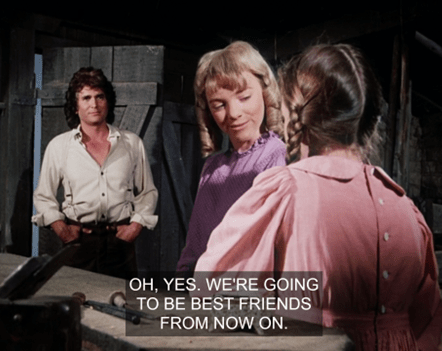
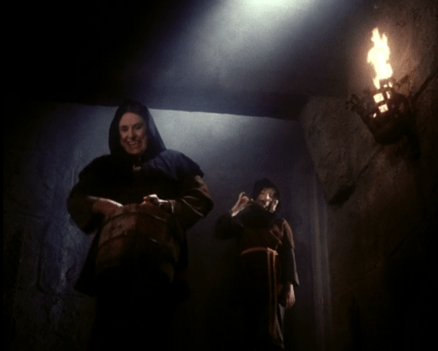
ALISON ARNGRIM: Oh, I call it the episode where even I hate me, ’cause I had a speech impediment as a kid and had to go to speech class after school. So I was friends with all the stammerers and stutterers and here I am going, “Peter Piper, say it faster!” So that was really sick. Katy Kurtzman has forgiven me. We are friends today. Just saying, just saying.
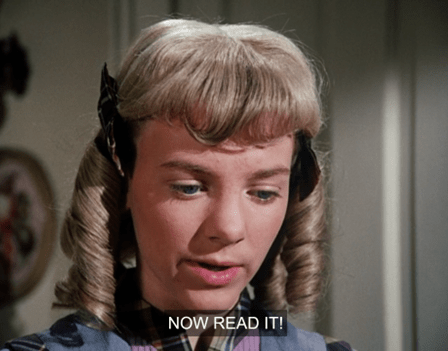

ALISON: And then, you know, and then we have a dungeon and a hanging!
WILL: Yes! Well, the thing that I think Little House always surprises me with, I never get used to it, is the combination of darkness and totally inappropriate comedy.
ALISON ARNGRIM [laughing]: Well, you know, that’s Michael Landon. You just described Michael Landon. People go, what was Michael Landon really like? This is Michael Landon’s deepest inner personality as a human being – extreme darkness and inappropriate bursts of humor.

WILL: Well, in “The Music Box,” it works perfectly. I mean, like, you can have those crazy, like, execution dreams where a child is literally being hanged to death, right? And yet, it is genuinely funny.
ALISON ARNGRIM: Yes! And you know, I ate that turkey leg later.

WILL: But you know, what I really wanted to ask about with that one, and with Nellie in general as a character, is, my own read on Nellie is that she desperately craves Laura’s friendship, right? Like, there’s something about her ’cause Nellie keeps going back to her.
ALISON ARNGRIM: Yeah, yeah, she keeps going back. It’s an abusive relationship.
WILL: Like, Nellie always leaves that door open for Laura to join whatever stupid club she’s formed that week. There’s never any question of shutting Laura out, but it’s the conditions she sets. What do you think that’s about?

ALISON ARNGRIM: The root of it is jealousy, jealousy. First of all, if you listen to true-crime podcasts, the root of most crimes, even murder, is almost always envy and jealousy. If you take any crime at all and then go, “how would envy and jealousy play into it?,” you go, oh my God, every single thing is about envy and jealousy, isn’t it. And Nellie was jealous of Laura. They figured this out in France. I was sort of, like, on trial on a talk show in France and they determined that Nellie’s crimes against Laura are crimes of passion. Okay, so Nellie’s the queen bee at school and I have all the money. And this girl shows up. She’s poor, just another poor person, yet she’s popular.
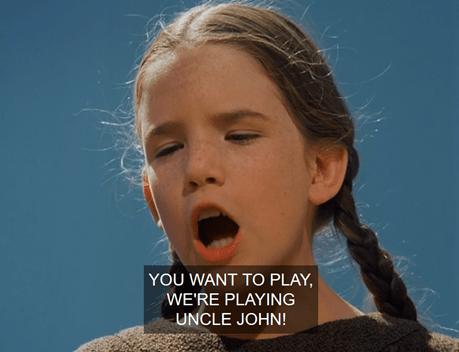
ALISON ARNGRIM: And she has a beautiful, lovely, loving father who’s so handsome and sweet and kind, does everything right and everybody likes him. And then she has this mother who cooks and then makes pie and fixes her up and makes her clothes and is kind to her. And if she cries, just, like, they’re there.
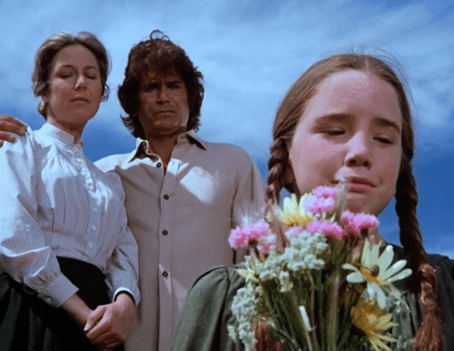
ALISON ARNGRIM: And I got, you know, Looney Tunes mom, the narcissistic bitch from hell, Mrs. Oleson. And then I have Stupid Willie.
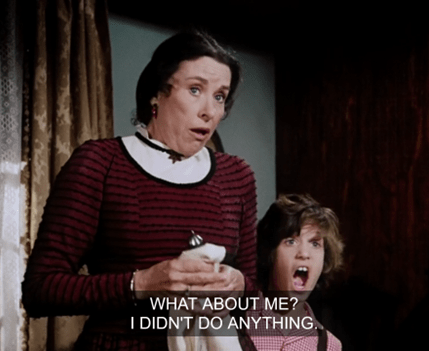
ALISON ARNGRIM: And Laura has pretty cute little dopey Baby Carrie. Even if she can’t talk, she’s sweet as pie and it’s like, what? They don’t even have anything and they’re happy.

ALISON ARNGRIM: So yeah, she’s insanely jealous of Laura. Why are you happy? WHY ARE YOU HAPPY? And why is your family, like, nice and functional? So this makes her insane. And OTHER people like Laura! Like, why do YOU like her? Why? Why? She can’t even give you anything. It’s infuriating for Nellie. Like, Laura doesn’t even have to try. She just IS, and people still invite her places. So Nellie, she’s jealous, but she’s sort of fascinated with her, and then since Laura’s popular she’s also kind of like, well, this can’t happen. I have to then be in her presence all the time, even if it’s to kick her ass. I have to be around and assert my dominance and whatnot. And then the fact that Laura is so trusting, Nellie’s kind of, like, “You want to come over?” and Laura doesn’t have the sense to say no. The last one, “Back to School,” with the thing when Laura wants to take the teaching exam, the get-out-of-school exam that I took, and is dumb enough to come to me and I go, “Oh yeah, there’s hardly any history. It’s all vocabulary.” Why would you believe anything I said? After seven years, why would you believe anything that this person said to you?
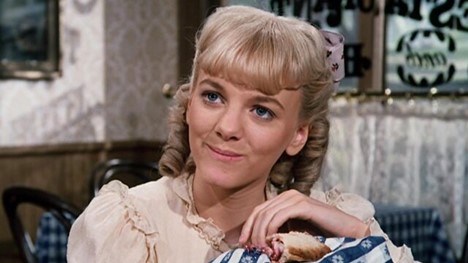
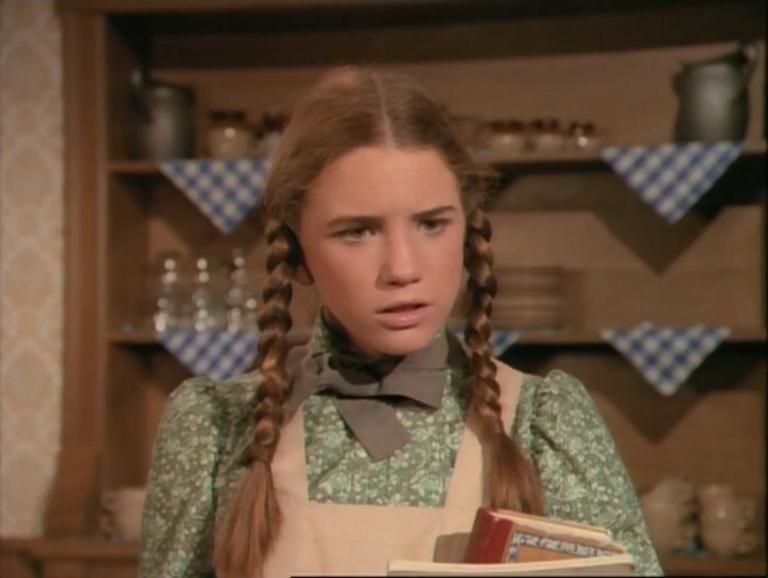
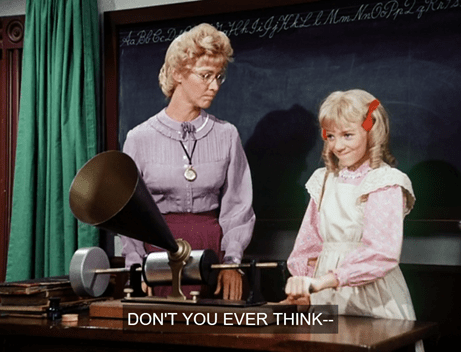
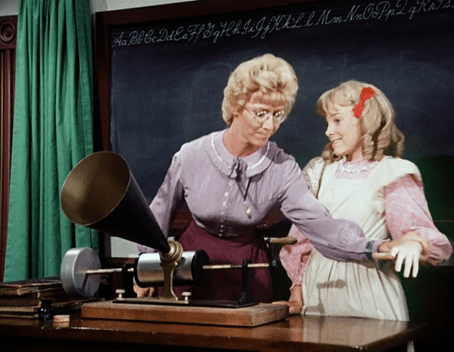
WILL: Now, the other one I love is “The Talking Machine.”
ALISON ARNGRIM: Oh, Victor French. Victor French, our Mr. Edwards – a brilliant, brilliant man. One of the greatest directors who ever lived. He directed that episode.
WILL: I love that one. Willie’s so funny in that one too – I love the reveal when Willie is turning the crank, you know?
ALISON ARNGRIM [laughing]: Yeah. “Pay no attention to that man behind the curtain!”

WILL: It’s really one example where Nellie is so horrific that you wonder how the frenemy relationship could ever rebound. Even back to frenemies, you know?
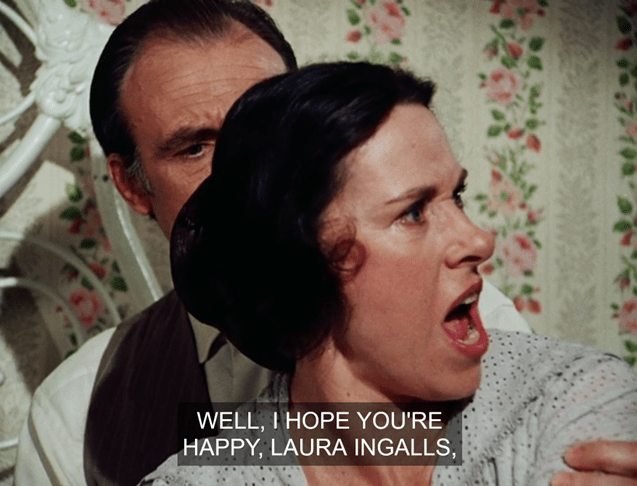
ALISON ARNGRIM: But it always does. Same with the Bunny thing. See, I don’t just mess with Laura, that’s why I find that episode fascinating. I love “Bunny.” She screws with the whole town. Okay, so Miss Beadle has to drop what she’s doing and write up all the extra assignments. Charles has to drop everything he’s doing. Go build me a freaking wheelchair!

ALISON ARNGRIM: Doc Baker is questioning his entire career. Like, why is she paralyzed? She shows no symptoms.

ALISON ARNGRIM: Mrs. Oleson, complete meltdown.
ALISON ARNGRIM: And Mr. Oleson crying, crying in the store, too.
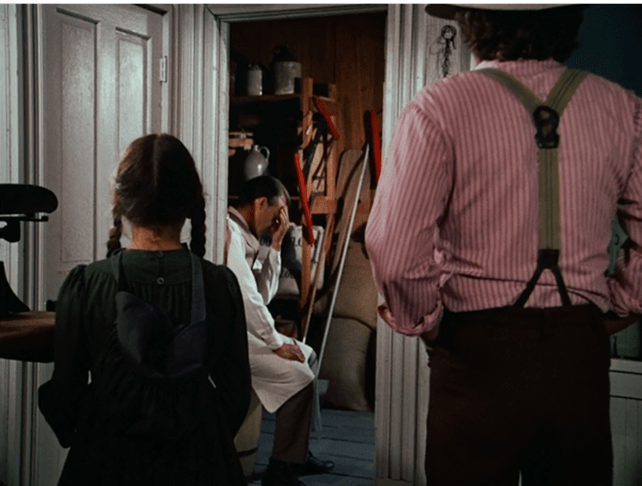
ALISON ARNGRIM: I have ruined everyone’s life, even the adults. I am now ruining the lives of ADULTS in town. And I’m thirteen. Whoa, that is not normal. So yeah, so I love that episode.
WILL: That’s so true. Another moment that I always focus on with Nellie is the one with the feral dogs, right? Where the dogs are going crazy. And meanwhile Garvey has wolves hidden in his barn, and Nellie finds out, right? Nellie finds out about that, and then, if you remember, Doc is trying to cover for Garvey and not tell Mrs. Oleson that the wolves are there, but Nellie knows. And it’s, like, this power move where she makes Doc say it out loud that there are wolves in the barn and she’s like, “Oh, yeah, HE knows. TELL her.”


WILL: She understands power, that it can be used not just against the schoolkids, but even authority figures like Doc. She has him in her clutches, she has him by the short hairs.
ALISON ARNGRIM: Oh yes, it’s really crazy. Nellie is willing to do terrible things to adults, and, even in the 1800s, to contradict or actually have a battle of wills against adults. With Miss Beadle, I mean, my favorite moment in the entire “Talking Machine” episode, when Miss Beadle is standing right there and I’m turning the crank. “Turn that off.” “I can’t, it’s broken.” That’s my favorite moment.
WILL: Yeah! And the Bead, she really, like, rips your arm then.
ALISON ARNGRIM: Yeah, but I did it. I was sitting there just completely defying Miss Beadle to her face. You could get beaten for that in the 1800s.
WILL: And then, you’re her maid of honor.
ALISON ARNGRIM: [LAUGHS]
WILL: And then, I mean, that’s the most beautiful thing, is that, I love the ones that lift Nellie up and kind of give her some grace.
ALISON ARNGRIM: And that’s my favorite. My favorite episode is “Here Come the Brides.”

ALISON ARNGRIM: Okay, since you guys ponder all the complicated deeper meanings, let’s ask this question. You can work on this one. So Nellie married the lovely Luke, who was a pig farmer, the son of a pig farmer. She could have been the Minnesota Pig Queen. But then they were forcibly broken up, and then she goes on to marry a Jewish man. Now besides the “Craftsman” episode, where she told Albert that Jews had horns on their heads and were all going to Hell, the fact that she was raised as an antisemite, full antisemite evil bigot, and then switched over and felt madly in love with Percival, did not care at all that he’s Jewish, was totally happy about it. Do you think there ever were any arguments in their marriage where it came up with the fact that she was previously married to a pork farmer?
[LAUGHTER]

ALISON ARNGRIM: I wonder. My gosh, I’m hearing his parents. I’m sure his parents, the Cohens, would have brought that up. This woman was technically married before, and to a man who raised pigs.
DAGNY: Right. It’s bad enough that Nellie’s a shiksa.
ALISON ARNGRIM: But, you know, now, I did check this out, in the 1800s, there was a Reform Judaism movement, ’cause in the 1800s, everybody was going West. And they did marry out of their faith. So that was actually historically accurate. But you couldn’t have two children and make them one Jewish, one Christian. But don’t tell Michael Landon, whose parents, his mother was Christian, his father was Jewish.
WILL: That’s interesting. So one thing I like to do also, is to read the series as an autobiography of Michael Landon, which I think, in some ways, he’s . . . all the characters are him, right?
ALISON ARNGRIM: [MAKES THE “ON THE NOSE” GESTURE]
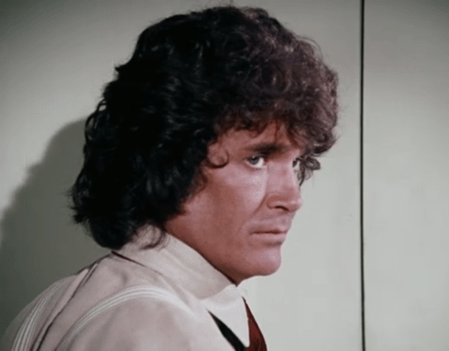
ALISON ARNGRIM: Yeah. Yeah, completely. Except, I’m his MOM, which was very alarming to find out at eighteen that apparently your boss thinks that you remind them of their mother. Very alarming. When I was eighteen years old, he was on The Tonight Show talking about why he was doing the whole Percival-Nellie episode. And I remember when he told me about it, he came in and went, “Your character’s getting married.” Then he ran out of the room. Like, what is happening? He came back in and said there’s romance, and he’s a little short guy who won’t take crap off of anybody, and he’s Jewish. And he runs out of the room again. This goes on for a while. And I finally get up and I go to him, and he’s, like, writing the episode. I’m like, you’re writing this now. So he goes on The Tonight Show and says, “I have this episode and Nellie gets married, but it’s a short Jewish guy. And he tells off Mrs. Oleson, it’s incredible. And I did it because it reminds me of my parents. My mother was tall and blonde and very difficult and domineering, and my father was a short Jewish man, and I always really wanted him to stand up to her. So this is my fantasy.” And he, on national television, he told everyone that this is why we’re doing it. I’m eighteen and I’m going, “He . . . he . . . he thinks . . . oh.” You know, people say, oh, he could be hard on actors. Sometimes get in arguments, be difficult. But I thought, why, he hasn’t said boo to me. Oh, right, ’cause I apparently remind him of his mother, actually. Makes sense! So freaking weird.
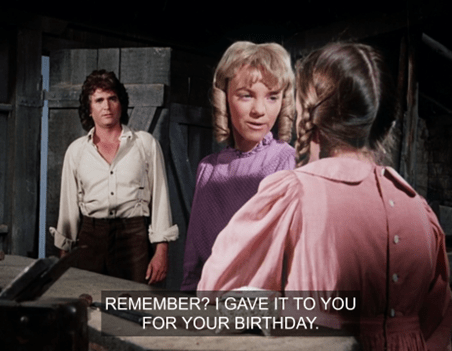
DAGNY: You can really tell with the Michael Landon episodes, I think being in our later forties, that thread of adult reflection, of “We are reading the series differently than when we were younger.”
WILL: Yeah, his episodes tend to be very intense.
ALISON ARNGRIM: Yeah, the ones that are, I mean there were a lot of writers and some of them really good, but there’s some episodes that were, like, dumb dumb dumb dumb.
DAGNY: Yeah, definitely not his. His are very dramatic. There are themes of enormous pain and being wronged and unfairness and revenge. And they’re beautiful to watch.
WILL: And we feel like he really brings the visual element up.
ALISON ARNGRIM: Oh, gorgeous. He was always . . . like, they say, on his deathbed, people who were with him when he was close to death that he was going, wait, hang on a minute.
[SHE PUTS HER FINGERS UP AS IF COMPOSING A SHOT]
ALISON ARNGRIM: He was, like, doing this and stuff.
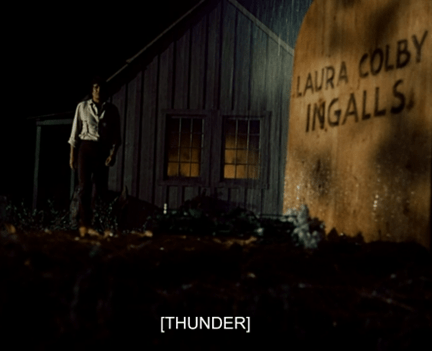
WILL: Dagny, she can always tell, she can always pick out within the first ten minutes, without seeing the credit, she can tell the Landon-directed ones.
ALISON ARNGRIM: Oh yes, he’d work out all the shots, like, the night before. He’d come in and go, “Okay, we’re doing this and this and this.” And he knew, you know, “I don’t want to see that,” and then, “I want to see this.” He was totally visual. Well, he’d been on Bonanza for eight thousand years. He was a child of television. He understood the visual component of it. He knew exactly what he’s doing.
DAGNY: I mean, yeah, that’s the part that also is kind of cool about watching.
ALISON ARNGRIM: It is.
DAGNY: And not only that, I mean, we talked about this with Melissa as well, was the other part of being an adult watching with your emerging adult children of this generation, is being able to reinterpret the story from how you remember it to how you see it now, and then having adult kids also interpreting, and thinking yeah, it’s cool. The next generation going, this means something different.
WILL: Our time is really running out, but the one question I wanted to ask is, are you coming to Walnut Grove this summer for the anniversary?
ALISON ARNGRIM: Oh my God, yeah. I’m going to everything. I’m just traveling with a sleeping bag and going to everything.
WILL: Since we’re here in Minnesota, we’ve decided to go to the Walnut Grove one rather than than go to California.
ALISON ARNGRIM: Well, a lot of the gang is saying, I can’t go to all, I’m going to go to this one and this one or go this one, this one, this one or I’ll just go to this one. But no, I signed up for Walnut Grove. I’m doing them all, like, I know people want to see me. And then I’m like going to fifteen other ones. I just finished my show in Sierra Madre, I’m off to Saint Louis next week, then it’s France, Then it’s see me, then it’s Kentucky, Missouri, Chicago, New York, Louisville, Nashville. Then there’s a little break. Then June is Kansas. And I’m actually looking to possibly perform in P Town at a nice gay nightclub in Provincetown, right before coming to Walnut Grove, which will be very, very interesting.
WILL: Do you know Minneapolis at all? It’s lovely. That’s where we live.
ALISON ARNGRIM: Oh yes! No, I’ve spent much time in Minneapolis. I’ll leave you this one thing. The first time when I first started going to Little House sites in, like, 1991, I don’t know how many people from the show had gone to Walnut Grove ever. Why was I there? Pop quiz trivia. Do you know?
WILL/DAGNY: No.
WILL: Was it when Melissa Gilbert was at the Guthrie?
ALISON ARNGRIM: No, that was, like, twenty years later. I was there because the late Reverend Doctor Stephen Pieters, my friend – he recently died, long-term AIDS survivor and gay pastor – had booked me into Minneapolis’s MCC Church, All God’s Children MCC, the gay and lesbian LGBTQ Church. And I was there to raise money for an AIDS hospice in Minneapolis.
DAGNY: Oh!
ALISON ARNGRIM: And while I was there, they got a clever idea to raise a bunch of money by renting two vans and driving across the prairie with me. And people would pay so much money for a donation to get in a van with me, and we’d stop at, yes, Sleepy Eye, Mankato, everywhere, and then wind up in Walnut Grove for a giant fried chicken picnic with the people of Walnut Grove who had put on a whole show and they sang “Wait ‘Till the Sun Shines, Nellie,” and then I spoke about HIV and AIDS. I did the first AIDS lecture in Walnut Grove or in that entire part of Minnesota I think at that time. And then we went to church the next morning at MCC. But I was there to raise money for AIDS Hospice for a gay church. And that’s how I first got to Walnut Grove, Minnesota, because of Steve Pieters.


WILL: That’s a great story.
DAGNY: It’s still a very active congregation.
WILL: Yep, we know that church.
ALISON ARNGRIM: So yes, I’ve been to Minneapolis. They took me on the Mary Tyler Moore tour and I threw my hat in the air and I rode the escalator. So I’ve done that, and then I’ve been to Walnut Grove so many freaking times, and then of course going to see Melissa in the musical and so yes, yes, absolutely. Know it well, the Habitrail City! I love your little tubes you have between the buildings.
DAGNY: Ha! Yes, the skyways.

WILL: Well, thank you so much. You’ve been incredibly lovely with your time, and we will see you in Walnut Grove this summer.
ALISON ARNGRIM: That’s great. The husband might come! He’s come to Walnut Grove a couple of times. He can’t come to everything, he has a real job.
WILL: Oh, and we do read your newsletter too. We were thrilled at one point when he mentioned us and called Walnut Groovy, I think he said “weird, weird, weird,” which we took as a great compliment.
ALISON ARNGRIM: Well, exactly, exactly.
WILL: So anyways, well, thank you so much, and we hope you will keep us in mind if we reach out again as we get further into the series.
ALISON ARNGRIM: Absolutely! Now that there’s no strike, I can talk about whatever that hell I freaking want to. Maybe I can talk to you from France!
WILL: Well, I know it’s a crazy year, but we’ll reach out. We’ll make it happen.
ALISON ARNGRIM: Thank you so much. Bye-bye.


Oh my goodness! This was such a romp fest! She is just wonderful. certainly looking forward to future installments. ☺️👒
LikeLiked by 1 person
It was great to see an interview with her, but man how I wished she would have talked about the actual show more. So many episodes she could have discoursed on!
LikeLiked by 1 person
I’m sorry, Art, this comment got filtered into my spam folder. I only just found it now.
I agree about the interview – the fault was my own, but to be fair, she was a pretty untameable interview subject! 😀 She couldn’t have been more fun to talk to, of course.
We’re coming up to the Percival stories so I’ll reach out to her again soon. Stay tuned – fingers crossed!
LikeLike