
Little House Season Seven: Rawdogging It; or
A Catfish Called Albert
(a recap by Will Kaiser)
Title: “Dearest Albert, I’ll Miss You” [sic]
Airdate: November 17, 1980
Written and directed by Michael Landon
SUMMARY IN A NUTSHELL: Long before the internet, Albert experiences the perils of communicating solely through messages.
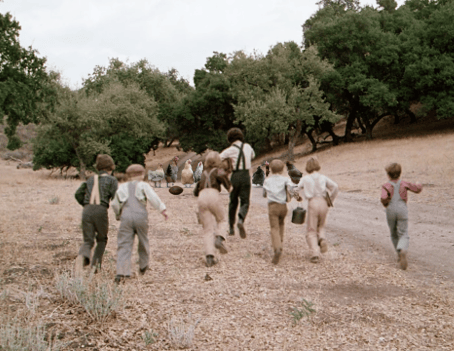
RECAP: This one begins at the schoolhouse. Kids frolic in the yard as Laura appears at the door.
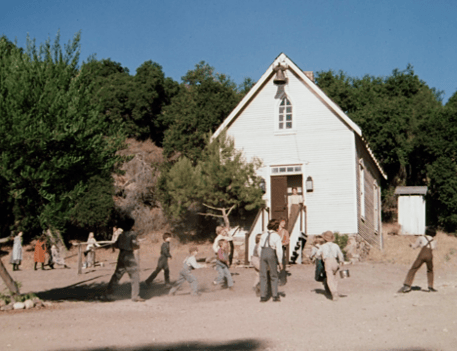
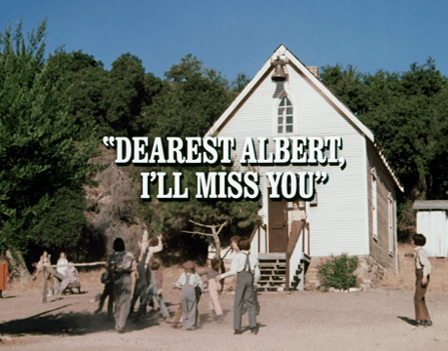
The title is “‘Dearest Albert, I’ll Miss You,’” in quotes. (For some reason I had it in my head there was an ellipsis in it – “Dearest Albert, I’ll Miss You . . .” – but there isn’t.)
ALEXANDER: . . . A love story?
WILL: They can’t all be Jonathan Garvey suspense thrillers, laddie.
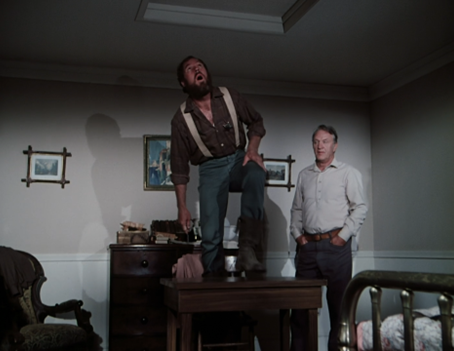
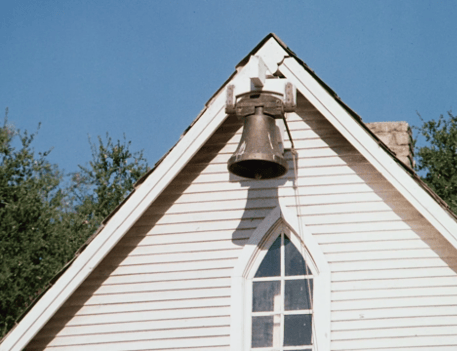
We zoom in on “Tinker” Jones’s bell, which is covered in birdshit.
DAGNY: Gah! Why didn’t they clean that?
ALEXANDER: And why would they do a closeup of it if they didn’t?
School commences, and we see the Famous Dictionary has somehow birthed a slightly smaller version of itself.
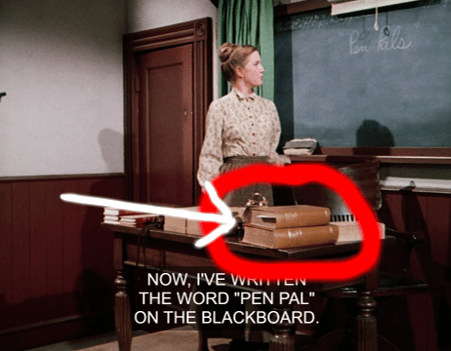
Laura starts talking about pen pals (a term not in use until the 1920s), and when Willie makes a joke about pigpens, she sends him to the corner. (Sending Willie Oleson to the corner must be a satisfying job perk for one who endured him as a classmate.)
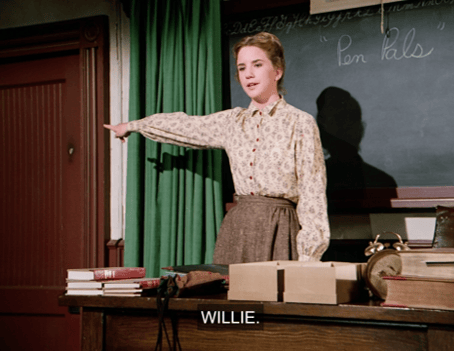
DAGNY: Willie’s going to wind up with sexual perversions from getting children’s punishments as a teenager.
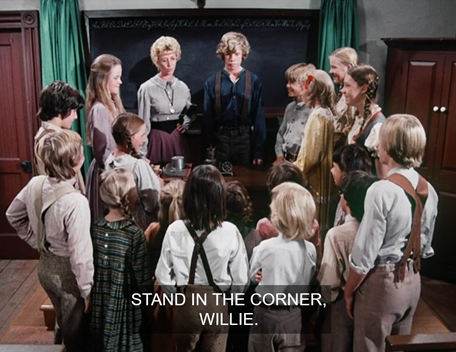
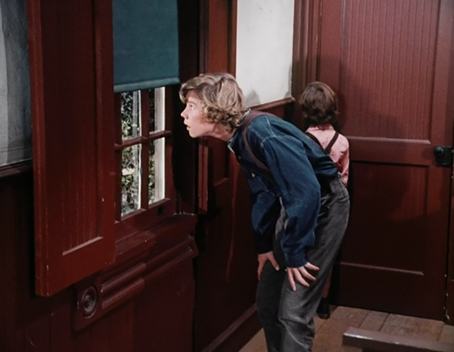
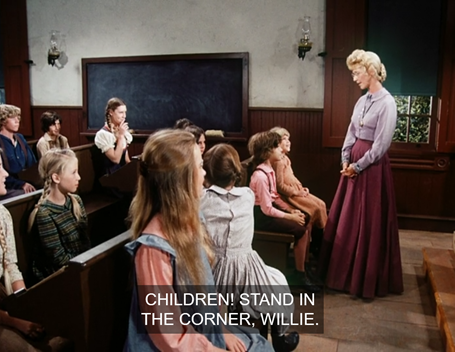
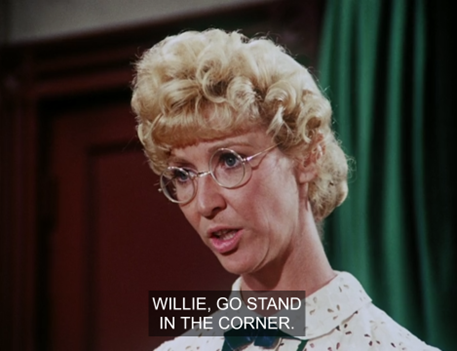
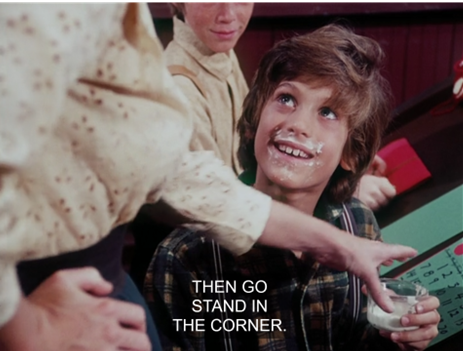


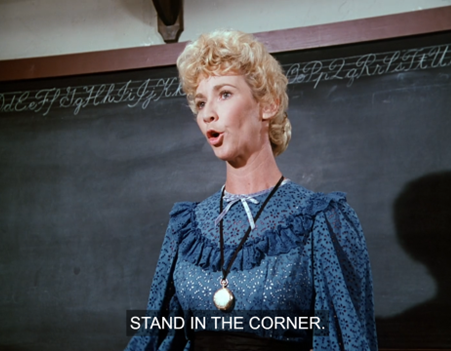
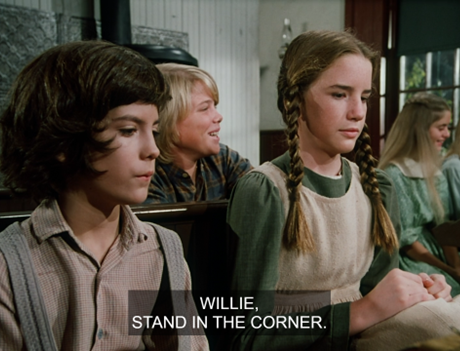


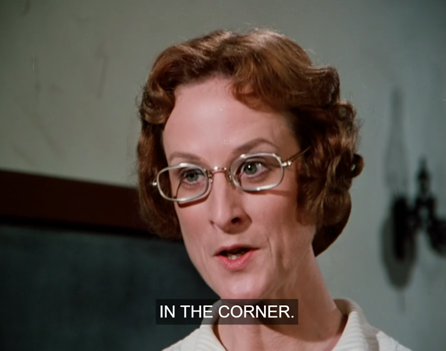
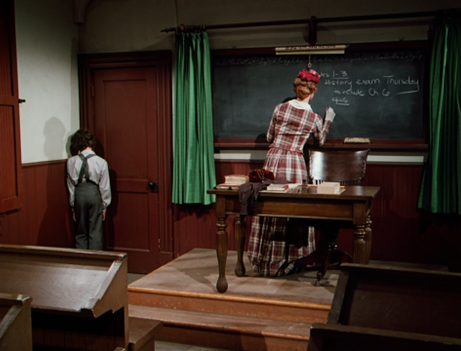
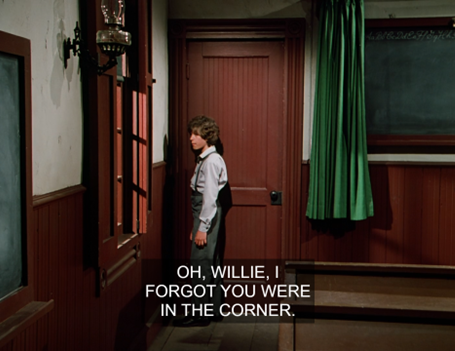
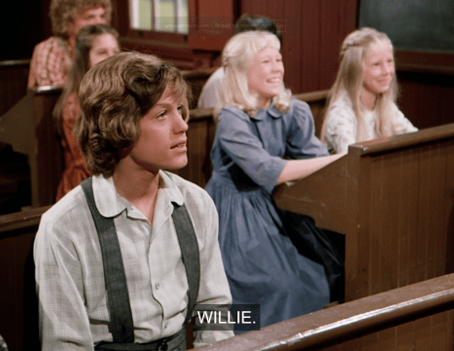
(Those first pics sure make me miss the Bead.)
“I thought it was funny,” Willie says, and Laura replies, “I didn’t.”
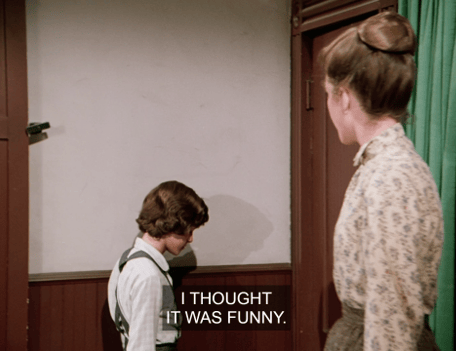
(Indeed, Laura seems to have lost her sense of humor around the time she and Ol’ Whatsisface got engaged, or at least by that time, I should say.)
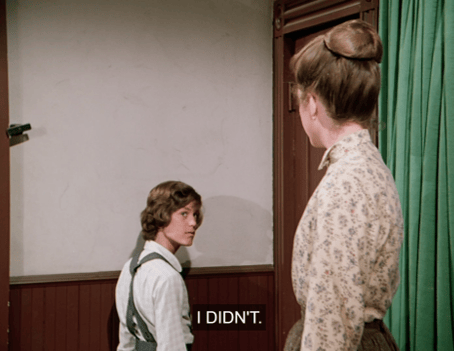
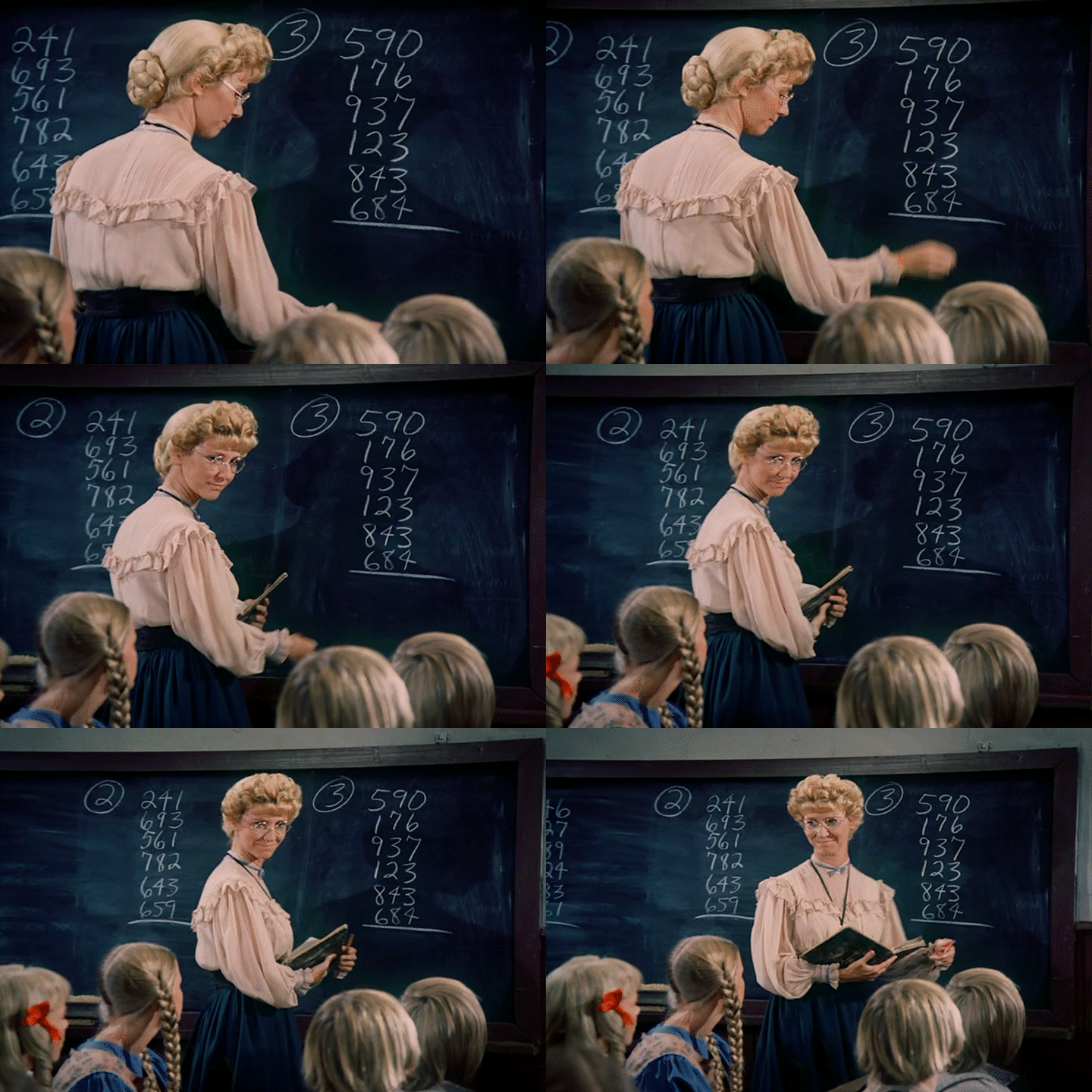
A little Nondescript Helen named Heather gives the correct definition.
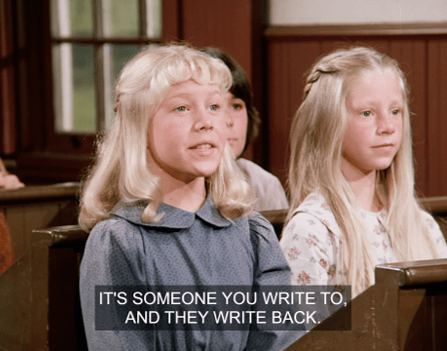
She’s credited as Gillian Grant; but also according to the credits, Gillian Grant was in last week’s episode playing a girl named Susan, who didn’t just have a different name, she was a complete different person.
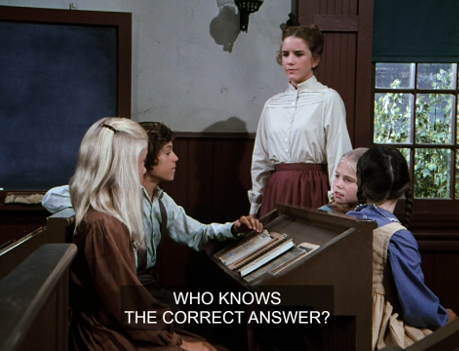
All these children’s faces are beginning to haunt my dreams, by the way.
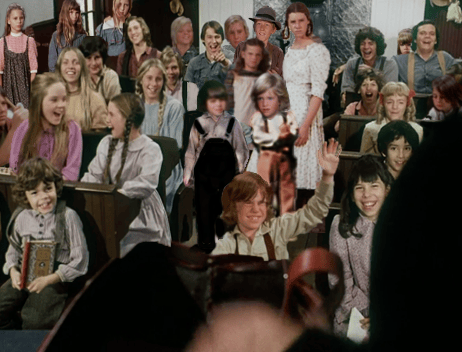
(That one’s a blast from the past – Season Two. Some of those kids are still around.)
Well, we’ll see if we can figure out the Gillian Grant question down the road. Anyways, Laura says they’ll be doing a letter exchange with kids from Minneapolis.
The announcement is well received. Carrie is so excited she turns to Albert and slurps, “Yeah!”
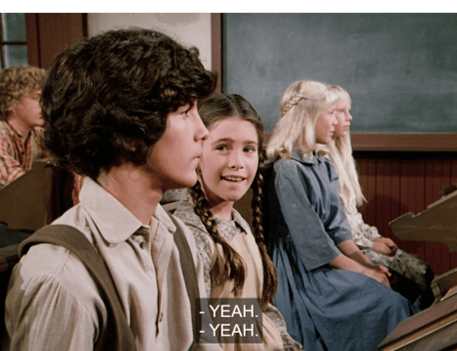
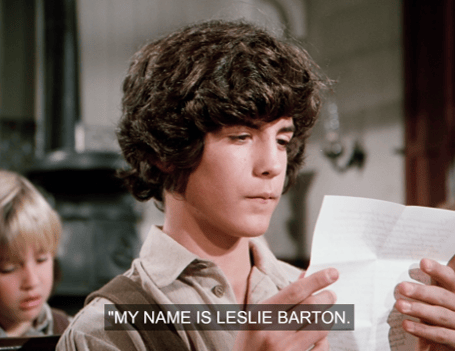
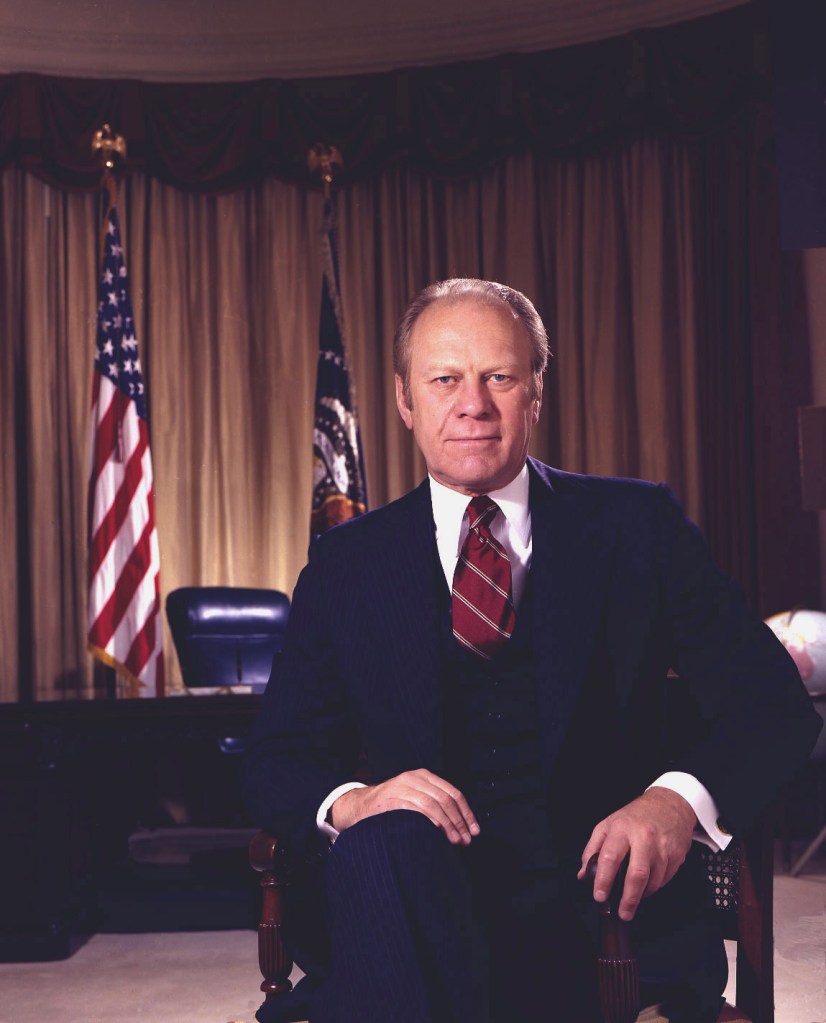
Everybody picks a letter at random. Albert’s is from a student named Leslie Barton, who lives in Minneapolis, attends an institution called Harley School (fictional), and, we can tell from a voiceover, is a girl. (Leslie, of course, works for whatever gender. Gerald Ford’s given first name was Leslie.)
That night at the Little House, Pa is a-stringin’ his fiddle whilst Ma reads a book.
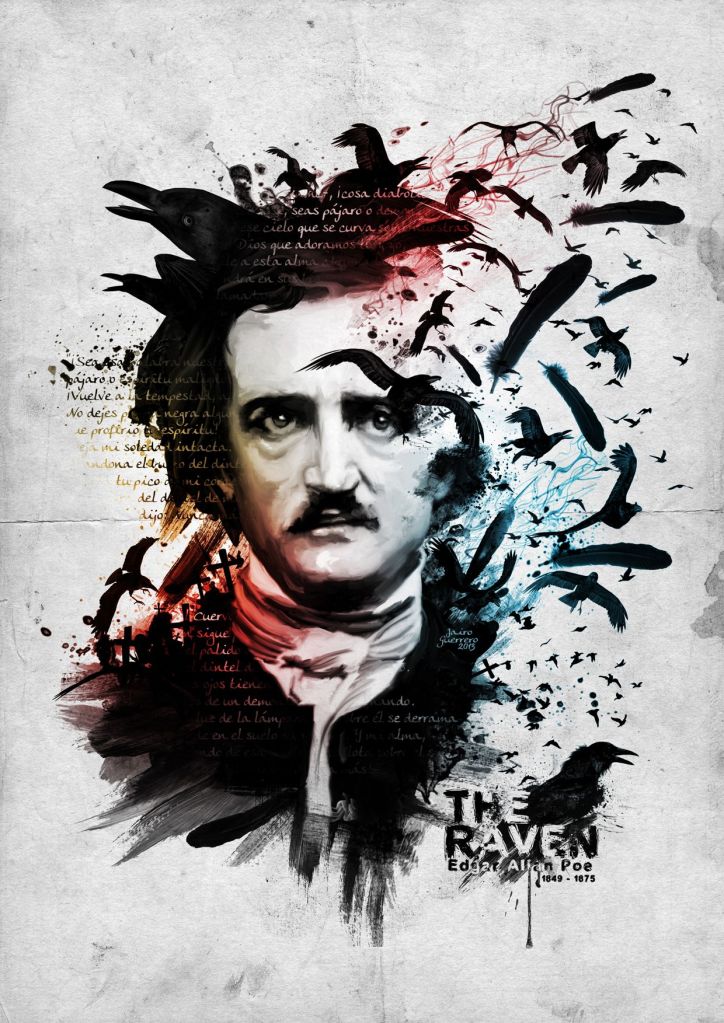
She and Pa have a little giggle over the expression “a murder of crows.” (Reading Poe?)
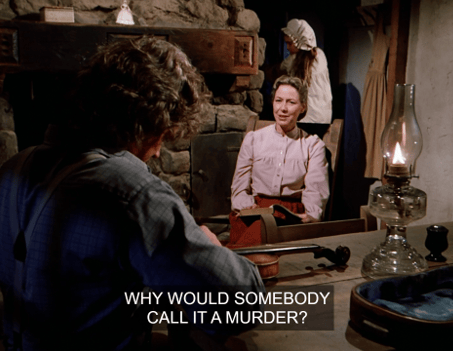
Carrie, who looks quite pretty in this one (I don’t know if it’s Carrie One or Carrie Two, sorry), slurps that she wants a story.
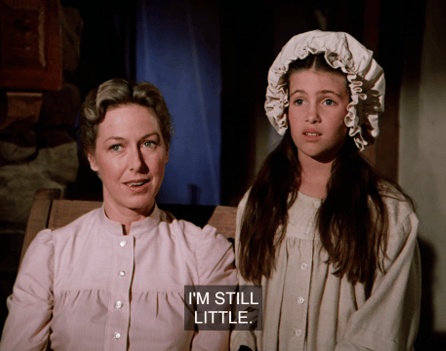
In the manner of all children being put to bed, as well as a couple Walnut Groovy readers who hate the blog, Carrie tries to dictate the form and content of the presentation.
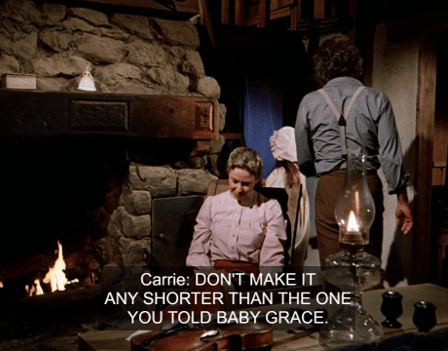
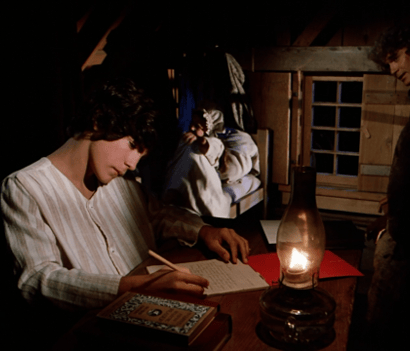
Upstairs, Albert is scribbling away furiously.
ALEXANDER: Is he writing a manifesto? [as ALBERT:] “The Industrial Revolution and Its Consequences – A Disaster Beyond Imagination.”
Carrie requests her favorite story, “Giant the Bear.”
WILL: Landon’s letting the gray creep in a little this season.
DAGNY: Yeah. Don’t wash the bell, don’t dye the hair.
ALEXANDER: Little House Season Seven, rawdogging it.
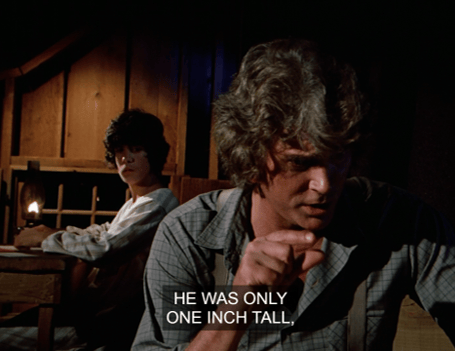
WILL: Okay, that is way too far.
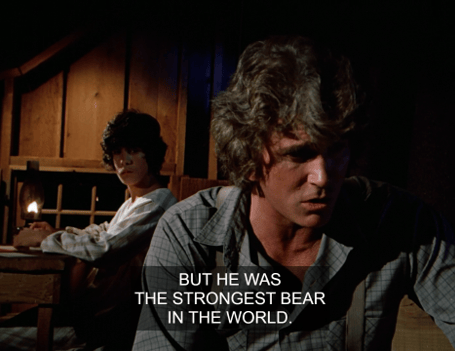
As a story, “Giant the Bear” is insane enough to suggest Carrie had editorial input.
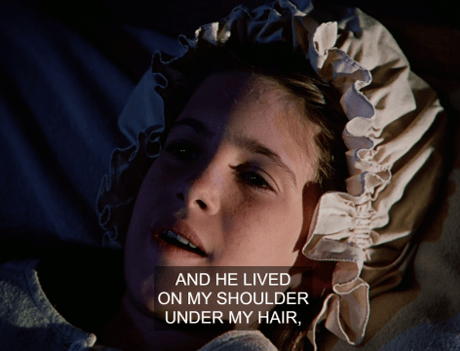
Carrie actually appears as a character in the story. (No Alyssa, though.)
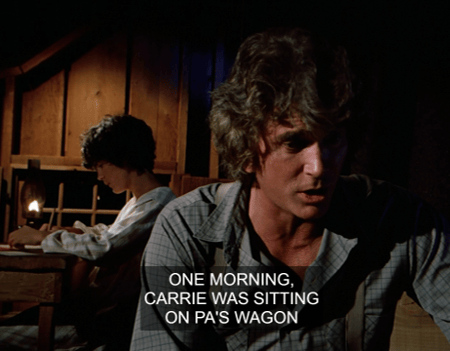
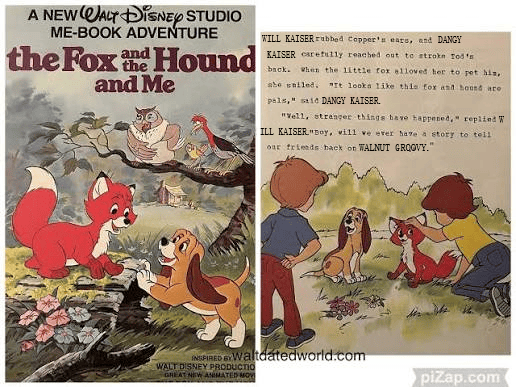
WILL: When I was a kid, Disney sold books that would add you as a character to the story of a movie.
ALEXANDER: What do you mean?
WILL: Well, like, your parents would order the book and tell them your name, and then you would be added as a character to the story. I begged and begged for one.
ALEXANDER: Were the stories any good?
WILL: No, they were terrible! They just made you a generic child character who said things like “Let’s go!” with your name typed in.
ALEXANDER: Classic ripoff scheme, targeting dumb kids and their idiot parents.
During the story, which goes on a long time, Albert looks around as if drugged. I don’t think he’s on the ’pheen yet, though.
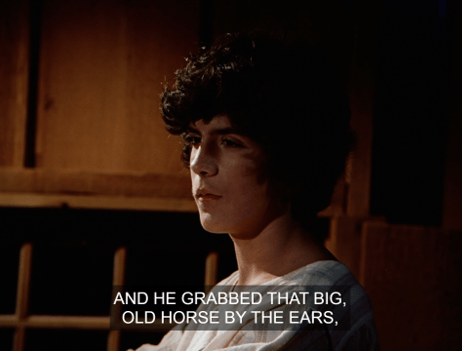
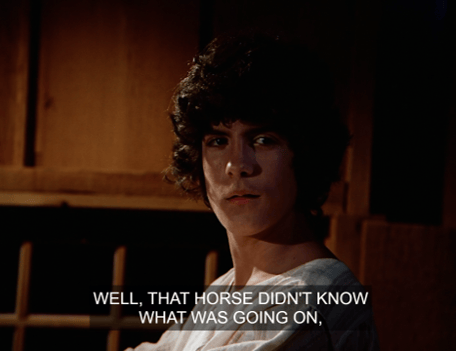

When Pa’s finally finished, Carrie slurps, “I hope I’ll stay little so you’ll always tell me a story, Pa.”
Landon lays it on pretty thick, but as we’ve observed in the past, his chemistry with Carrie One or Carrie Two, whichever it is, is great.
WILL: We haven’t had a good Carrie-and-Pa scene in a while.
ALEXANDER: Yeah. Like, forever.
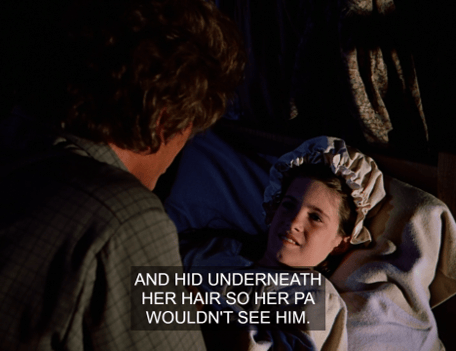
WILL: So Albert’s by the window now, and Carrie’s behind the curtain?
DAGNY: Yeah. Seniority.
WILL: But Carrie’s actually lived there longer.
DAGNY: Yeah. She’s too dumb to think of that.
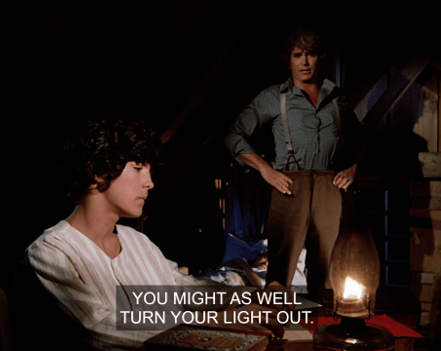
ALEXANDER: Who’s Carrie’s pen pal?
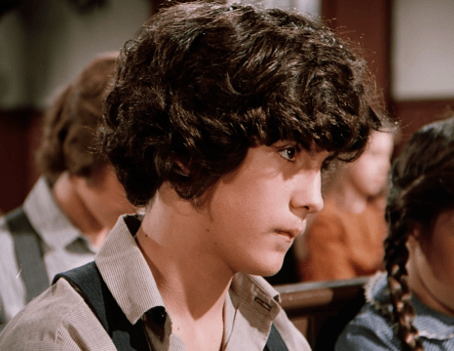
The next day (?), in school, Albert’s teenstash is approaching Andrew Garvey depth and ply.
WILL: It looks like yours, Alexander.
ALEXANDER [considering]: No it doesn’t.
Laura sits at the Bead’s desk reading something and making weird faces.
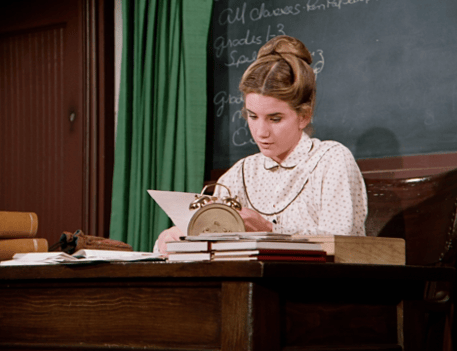
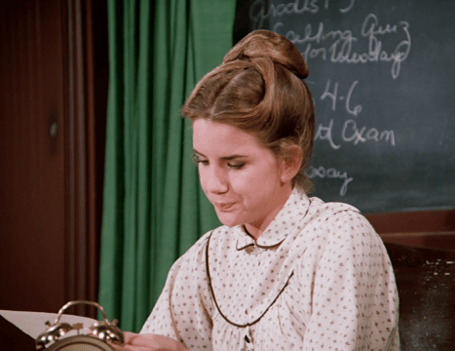
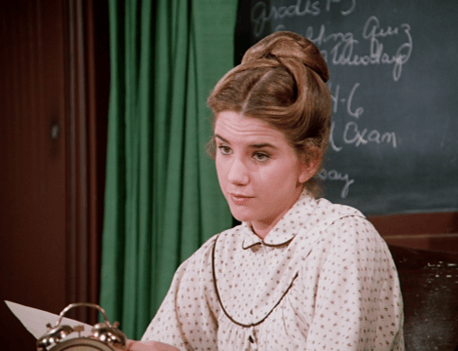
She dismisses everybody except Albert for lunch, then ridicules his pen-pal letter.
ALEXANDER: Is she gonna slap him? Or hit him with a ruler?
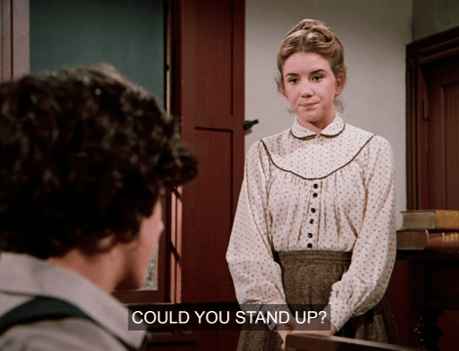
Laura notes it’s full of exaggerations like Albert saying he’s six-foot-one.
ALEXANDER: Oh, he’s catfishing the kid?
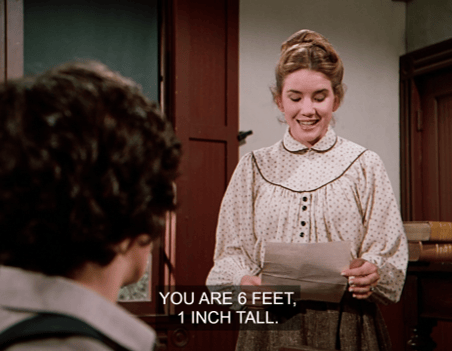
Indeed he is. It’s been a while since we had One With Relevance For Today.
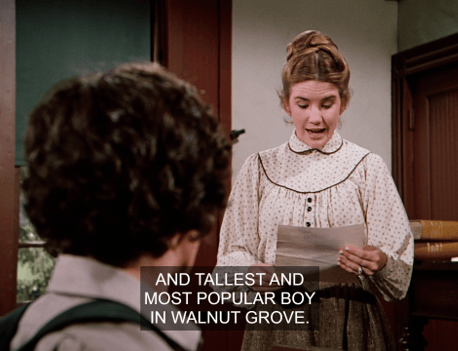
Apart from his height, Albert’s self-portrait is actually fairly accurate. (He is popular, and he was the captain of the football team.)
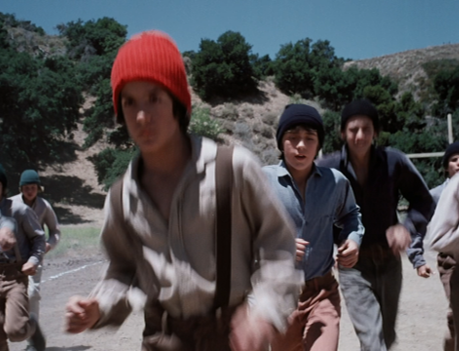
Preposterously, however, Albert has also edited plot points from “Giant the Bear” into his own bio. (This from the smartest, most creative kid in the history of the school?)
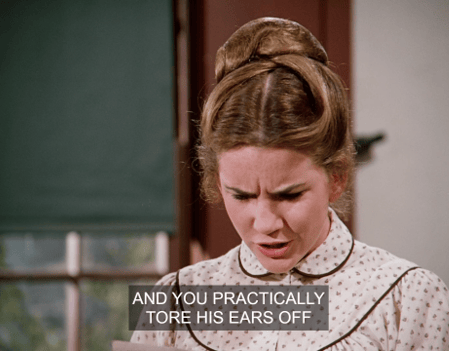
Albert says Leslie Barton’s CV is stacked with impressive extracurriculars like dance, so he had to inflate his brand a little.
“What was I supposed to write her about, that I caught catfish yesterday?” he says.
ALEXANDER: Wait . . . is this where the term catfishing COMES FROM?
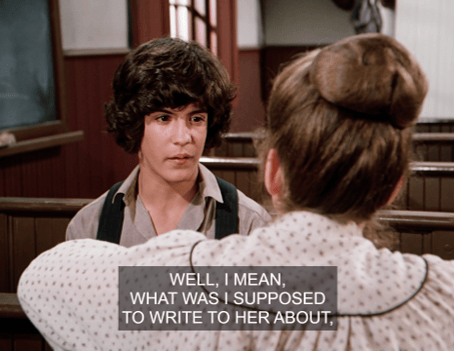
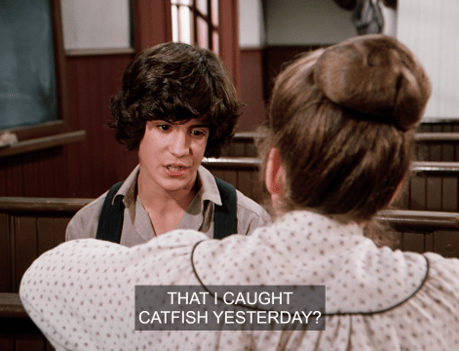
No, it isn’t – the term “catfishing,” slang for deceiving a correspondent about one’s identity, didn’t come into usage until the 2010s.
DAGNY: That is a really weird coincidence, though. Little House got there first!
Anyways, Albert tells Laura it’s the 1800s, so writers have to jazz up their stories to keep the audience from becoming bored and depressed. (Which, if you think, was Michael Landon’s exact approach to adapting Laura Ingalls Wilder.)
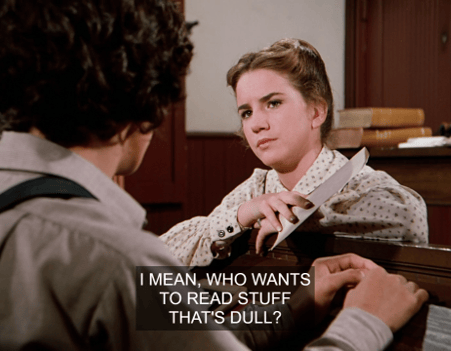
WILL: But he has lots of REAL adventures to tell her about. Why doesn’t he say they went to California as hoboes?
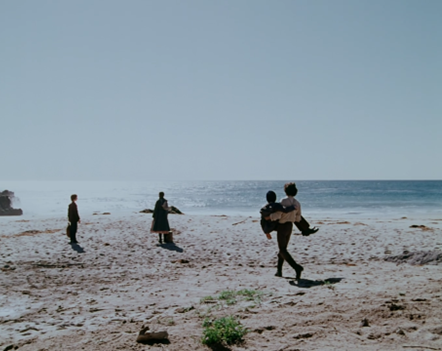
DAGNY: Yeah, or his rags-to-riches story of moving to Walnut Grove?
WILL: I’d say it’s more “rags-to-other-rags,” but sure.

ALEXANDER: Yeah. Or murdering the baby?
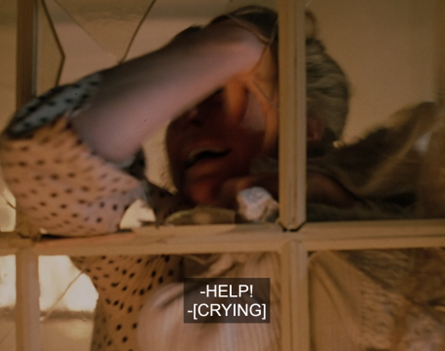
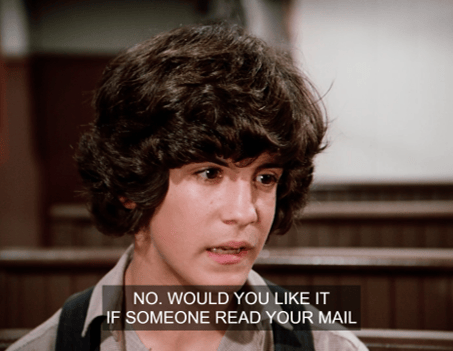
Albert then snarks that Laura must get her jollies reading other people’s mail.
ALEXANDER: It is a federal crime, Laura. Sheriff Garvey should lock her up.
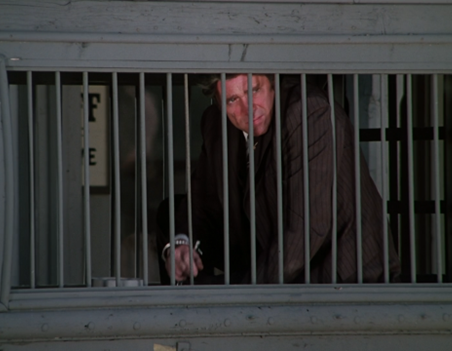
Ultimately, Alb mewls and whimpers until Laura says fine, I’ll allow the lies.
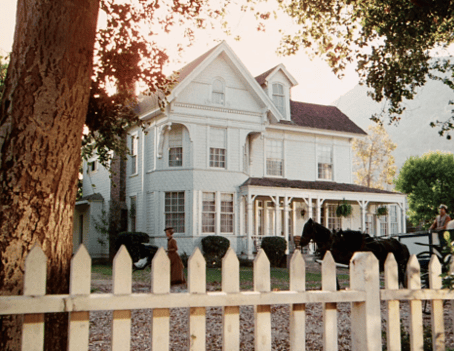
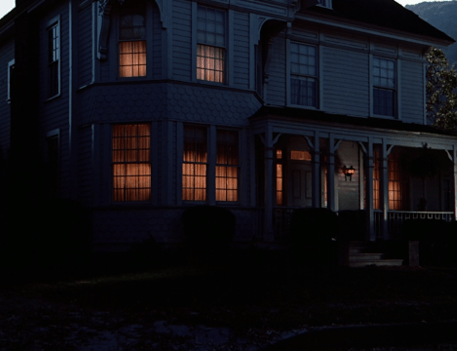
Meanwhile, in Minneapolis, we see a large white house at the foot of a mountain. (There are no mountains in Minneapolis.)
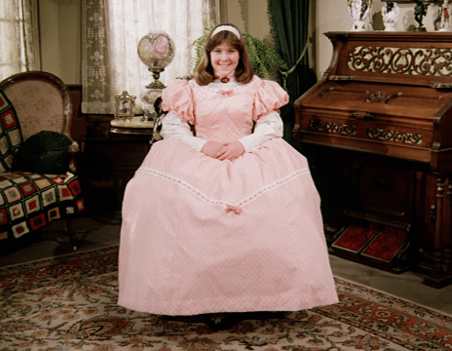
Suddenly we get a curious image: an upside-down girl encircled by a cloud of darkness.
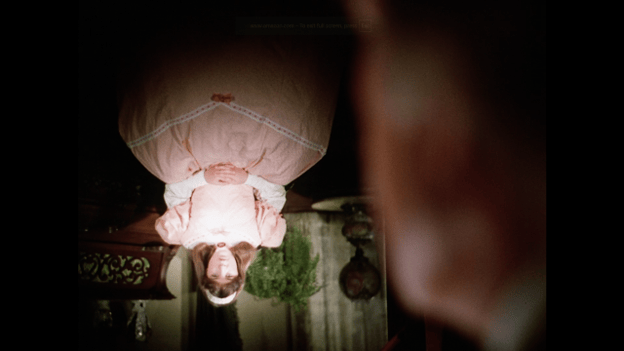
She’s wearing a puffy pink dress with an enormous skirt. The overall impression is of Carrie’s hot-air balloon.
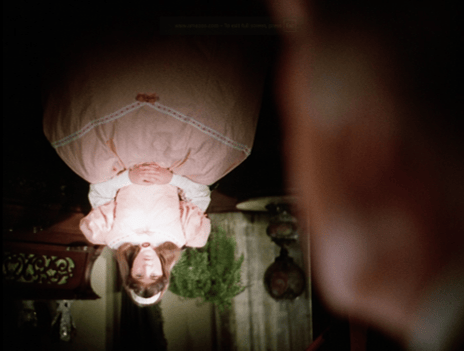


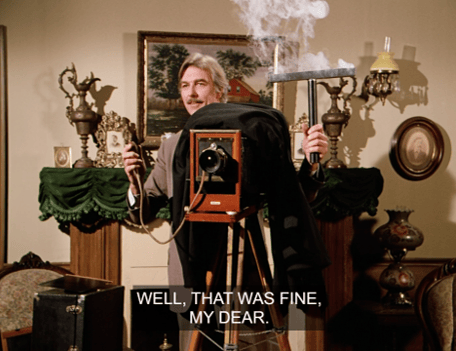
It’s quickly revealed that the inverted image is seen through the lens of a camera.
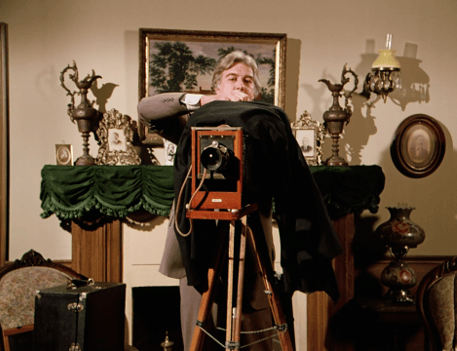
The cameraman is standing in a room that’s highly decorated, but not really any more highly decorated than Laura and Almanzo’s house at home.
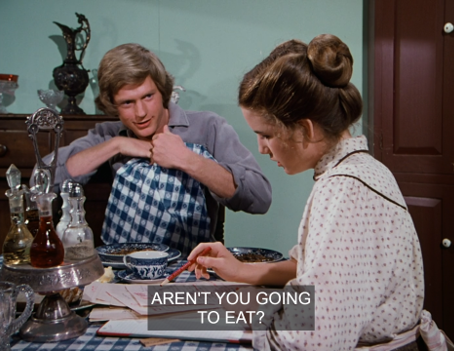
(John Wilkes Booth is on the wall again.)
The puffy pink girl, who looks to be twelve or thirteen, puts on a smile for the picture.
The photographer, who doesn’t have much of a part, is played by Dan Caldwell, who appeared in Cheech and Chong’s Next Movie. (My dad loved that series.)
A pale, middle-aged woman with bright red hair enters. Though the two couldn’t be more dissimilar physically, we’re given to understand that she’s the girl’s mother.
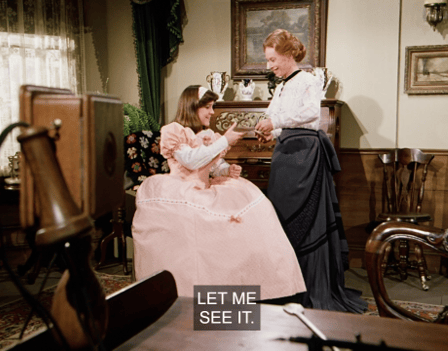
The mother gives the daughter a letter – from Walnut Grove.
The girl cries out that her new pen pal is over six feet tall! So yes, it be she: Leslie Barton.
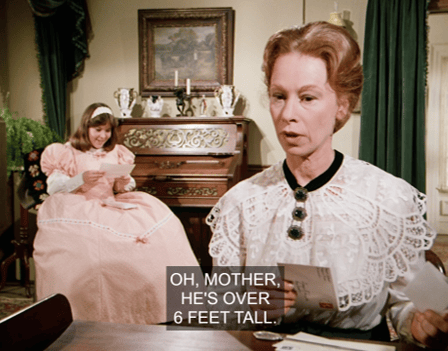
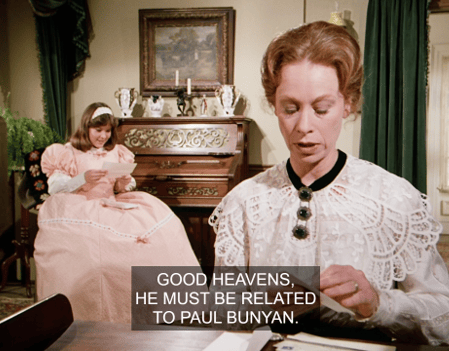
“Good Heavens, he must be related to Paul Bunyan!” Leslie’s mom says. Minnesota is one of several North American regions that lay claim to the legend of this gigantic lumberjack and his bizarre blue ox, Babe.

One statue of Paul was famously featured in Fargo, the ultimate movie about Minnesota.
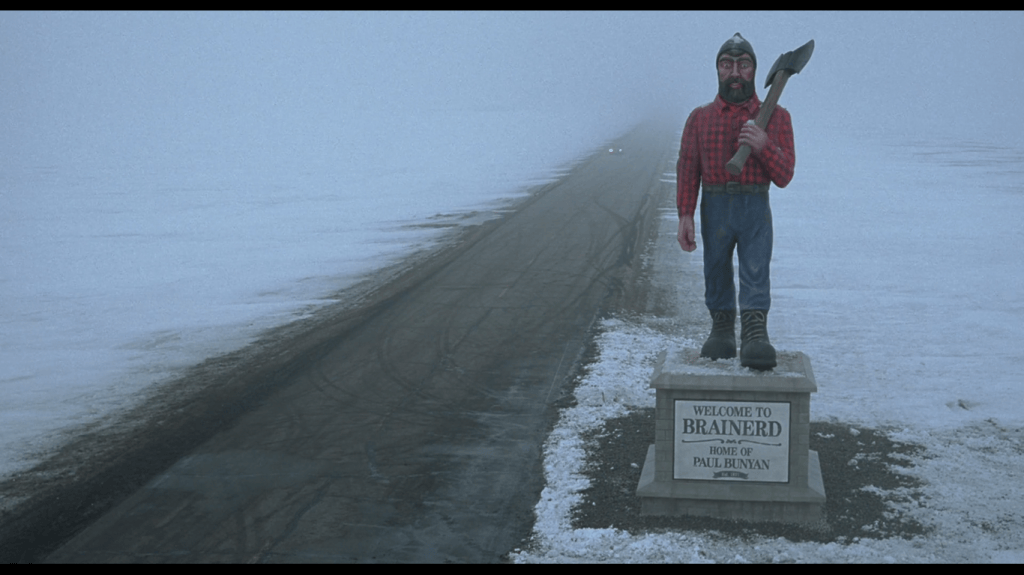
They created that statue for the movie, but there actually is a real one in Brainerd.
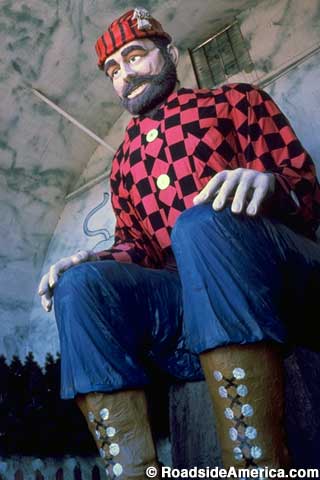
There are others all over the state too.
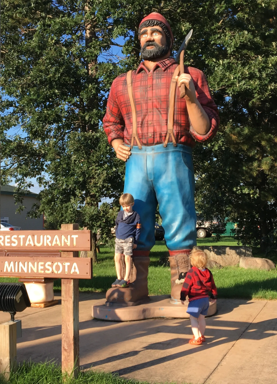

Sticklers will point out that the name Paul Bunyan didn’t appear in print until the 1890s, but some folklorists (or whatever) feel the stories may have been shared in rural communities decades earlier. Given the strength of the Bunyan myth here today, I think it’s quite possible.

Mrs. Barton exclaims that Leslie’s French tutor is due to arrive any moment! These people are clearly elites of some sort, with their private photographers, French tutors, letter openers and the like.
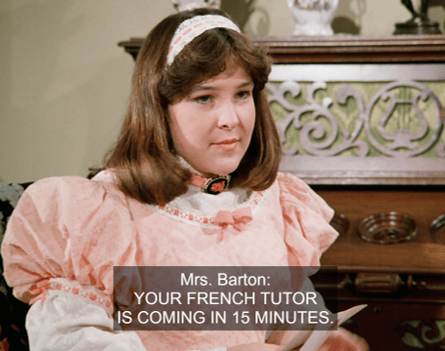
Leslie reassures her mother she won’t be tardy for French lessons . . . as she’s revealed to be sitting in a wheelchair.
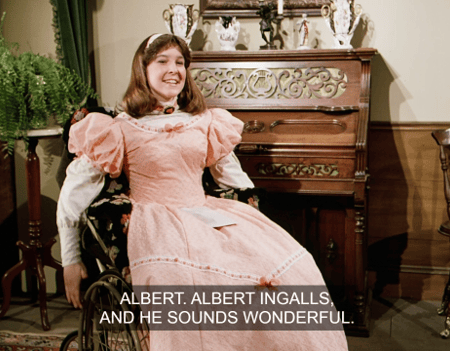
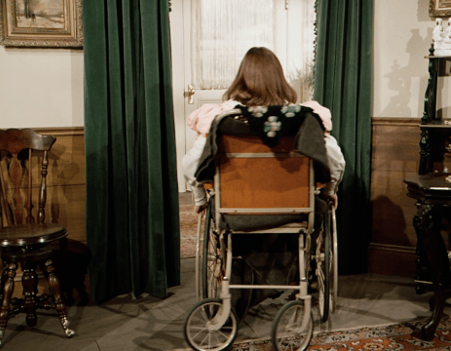
Leslie rolls out of the room.
ALEXANDER: She seems to be struggling with that chair.
WILL: Actually, the actress really was disabled. Woke Landon, you know.
DAGNY: Well, she probably never used a vintage one.
WILL: That’s possible.
That actor is Suzy Gilstrap, who indeed was disabled in an accident when a branch broke off a tree and fell on her, poor kid.
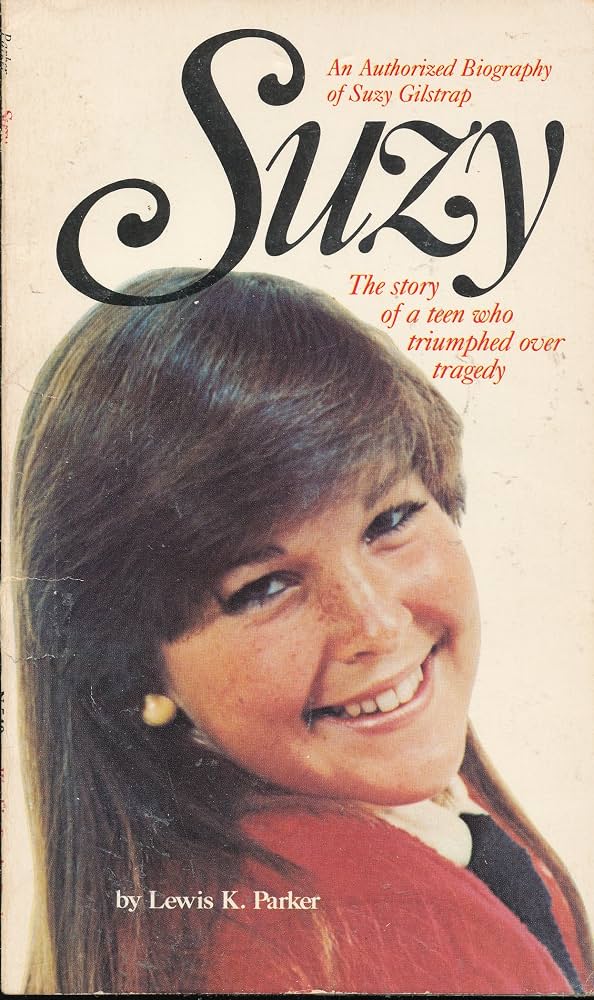
Gilstrap appeared on episodes of Cagney & Lacey and Zoobilee Zoo, with Ben Vereen. (Dags and I were getting a bit old for Zoobilee Zoo when it came out, but we both remember it.)
But she’s best known to viewers of the time, apparently, for Skyward, in which Gilstrap plays a girl in a wheelchair who learns to fly an airplane.
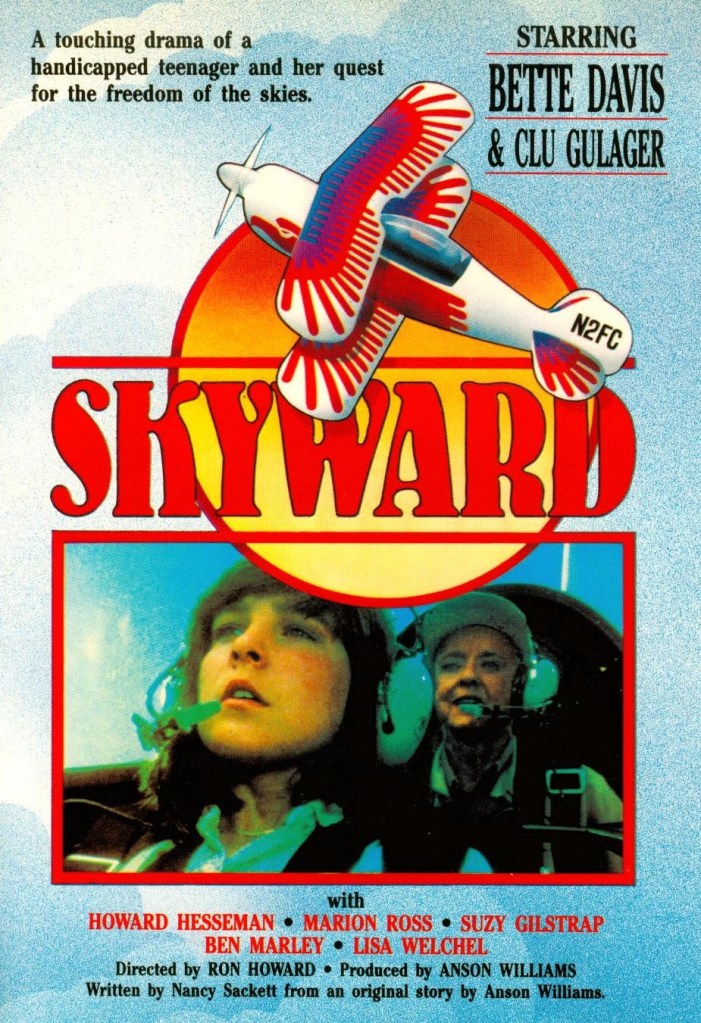
I don’t remember Skyward (or its sequel, Skyward Christmas), but it has quite a pedigree. Directed by Ron Howard! Starring Bette Davis as the flight instructor! Costarring Howard Hesseman of Clue fame, Marion “Mrs. C” Ross, and Cousin Blair herself, Lisa Welchel! And written by TV’s Potsie!
According to internet gossip, Bette Davis was nasty to Gilstrap about her acting ambitions, but who knows if that’s true. (It probably is, though.)
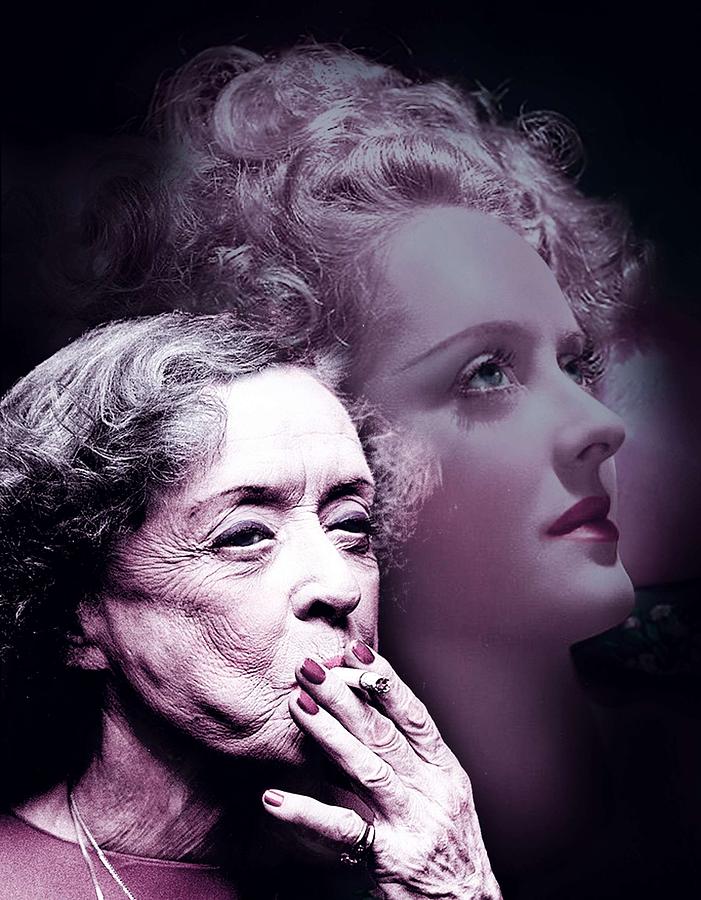
The only other Little House person involved in the production, as far as I can tell, was Ron Howard’s father Rance, who was one of the Elmsville goons who pursued Charles in “Quarantine.”
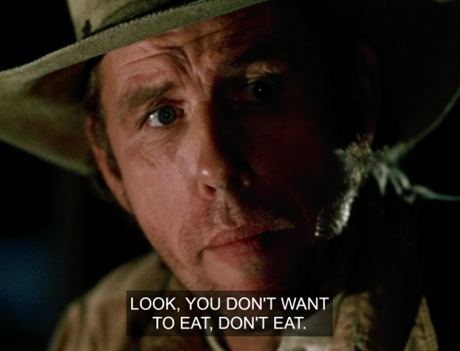
(And Geoffrey Lewis, another notable Little House goon, was in the sequel.)

Gilstrap didn’t continue too long as an actor, but she did go on to a career in Hollywood. Having at some point changed her surname to Barbieri (no “Largo al factotum” jokes, please, ha ha ha!), she served in film crews for a number of other productions, including Eddie Murphy’s The Nutty Professor, and Blue Crush, a 2002 surfing movie that was noted at the time for its displays of skin.

Finally, she worked on a series called Inglés Ya!, or perhaps Inglés ¡Ya!

I was very disappointed to discover this series was an educational video set to help people learn Spanish, and had nothing to do with Charles and Caroline Inglés and their familia and amigos.

In case you haven’t deduced that this family is incredibly wealthy, a Black housekeeper or maid comes in, and, addressing her as “Mildred,” Mrs. Barton orders tea for herself and “Miss LaRoche,” presumably the French tutor.
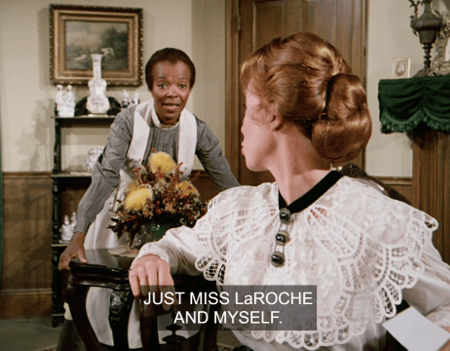
Mildred gets a credit, though it’s as “Maid” rather than her name. (Come on, Little House.)
She’s played by Dorothy Butts, who appeared as a nurse on The Doctors for many years, and who was on Good Times, The White Shadow, and The Jeffersons.
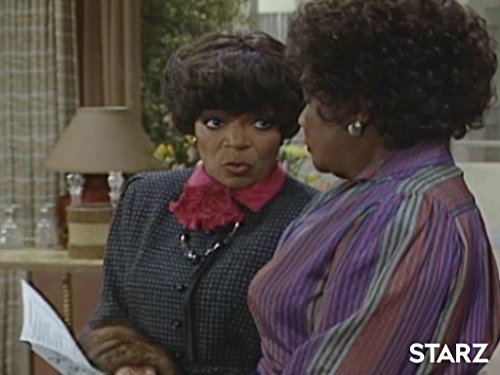
Landon must have liked her, because she was on Highway to Heaven twice.
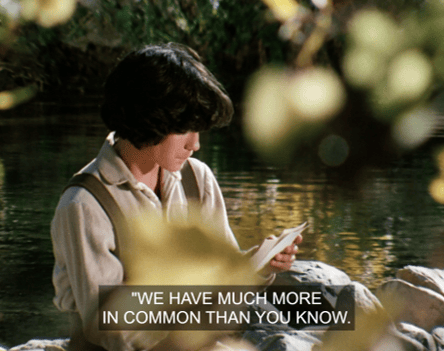
Back in Groveland, Albert reads a letter by the creek as Voiceover Leslie Barton helps us to know what it says.
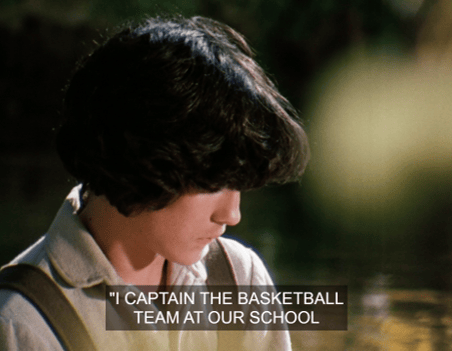
Voiceover Leslie notes that she’s the captain of the basketball team as well as a star tennis player. (Basketball wasn’t invented until 1891 – by a Canadian, as Dagny of course knew.)
(“Lawn tennis” had already come to America from England by this point.)
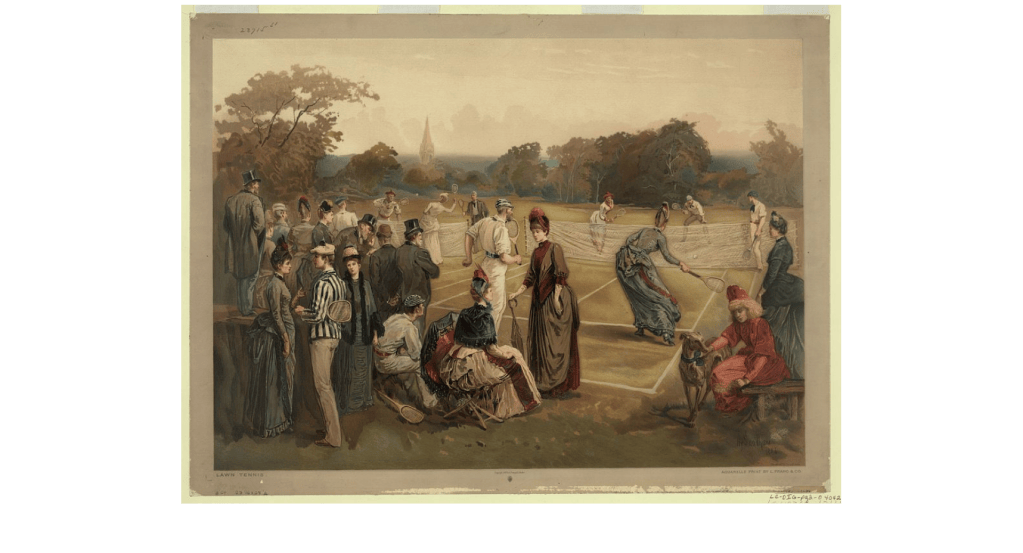
After a commercial, the school vomits.
ALEXANDER: Where did all these toddlers come from?
There do seem to be a lot of small children today, mostly boys.
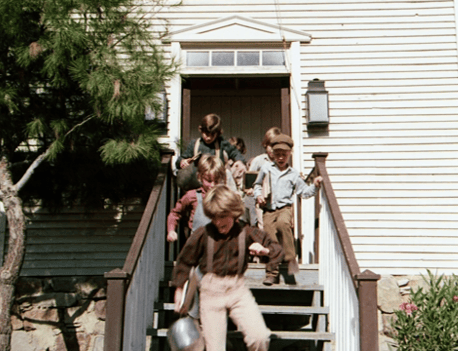
While football has not been mentioned since the dreadful “‘Fight Team Fight!’”, Albert now says he’s going to arrange a scrimmage, or whatever.
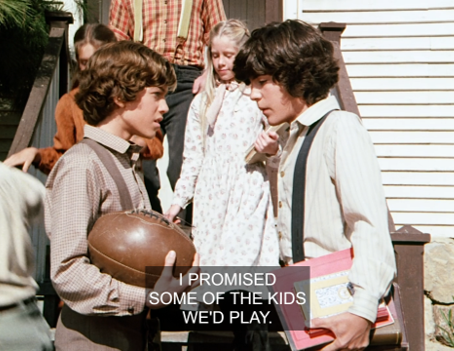
Wavy-Haired Willie can’t understand why Alb wants to play with all the little kids, including one named Timmy, all of a sudden.
(Last week we had a new kid named Timothy, but he was older.)
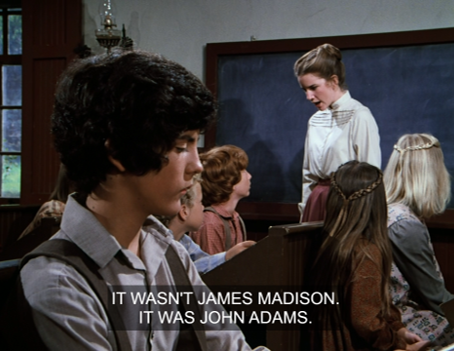
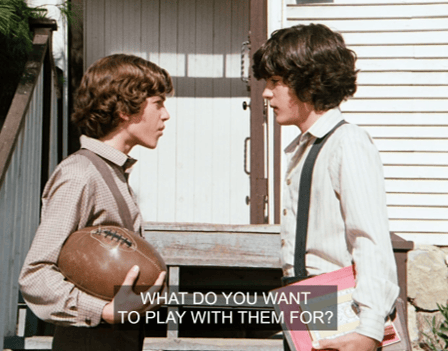
As an explanation, Albert then quotes the Bible as saying “be kind to your fellow man.” (Probably a paraphrase of Ephesians 4:32.)

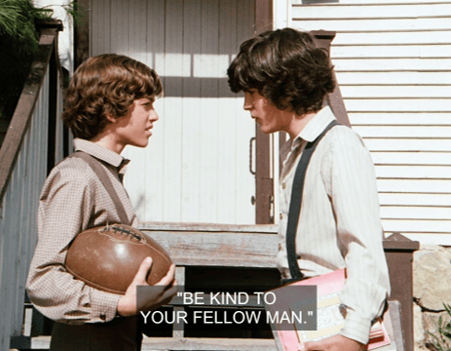
Willie’s perfect rejoinder: “I don’t think it meant little kids.” HA!
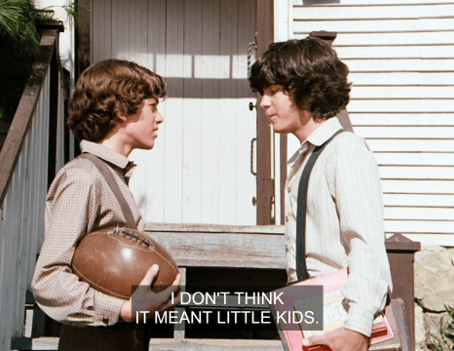
When Albert joins the little’uns, one squeaky brat, presumably Timmy, says, “You promised to play with us an hour afterwards!”
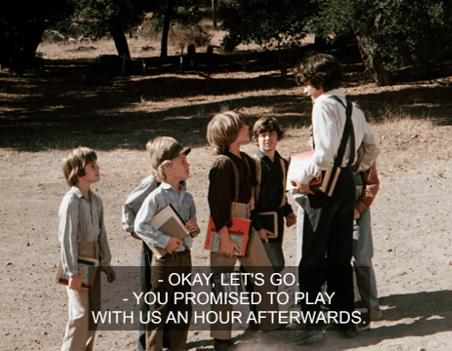
Timmy is Jamie Seibert, who went on to do video game voices and to do sound work for a movie called Sex Galaxy. (Much later, thank goodness!)

Then we see another photographer.
DAGNY: What the fuck is with all these photographers?
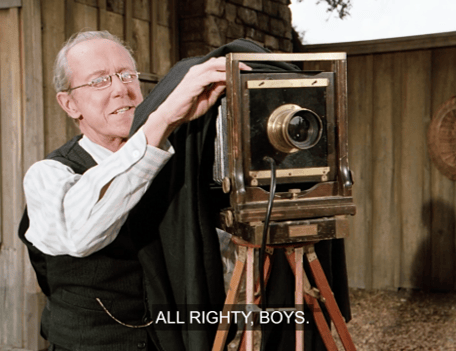
Indeed, two is a lot for Little House. Photographs have sometimes played a role in the stories, but before this episode we’ve never seen one taken.
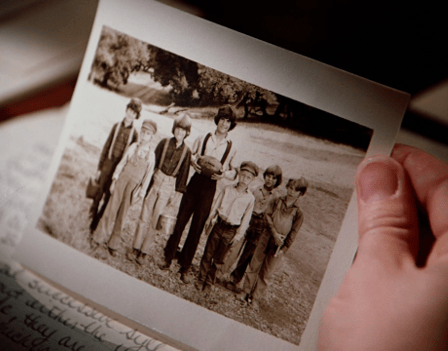
Well, it’s revealed that somehow Albert has contrived to be photographed with the little kids so he’d look like a giant.
ALEXANDER: Oh my God, that’s hilarious.
WILL: It’s idiocy. You think she wouldn’t be able to tell they were tiny children? I mean, honestly.
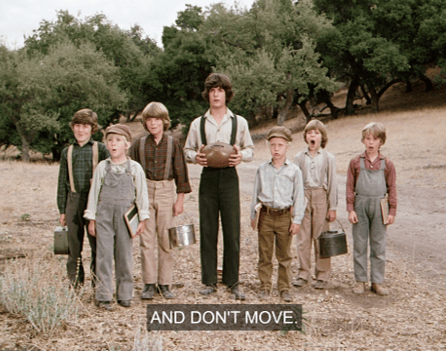
(I have to admit, the kids’ faces are a scream, though.)
It turns out Albert is actually paying for this photograph out of his own pocket. (Twenty-five cents – about nine dollars today. Not sure where he got it?)
The photographer, whom Alb addresses as “Mr. McGinnis,” is played by Olan Soule, a familiar face who previously played a ticket agent Mr. Edwards threatens in “To See the World.”
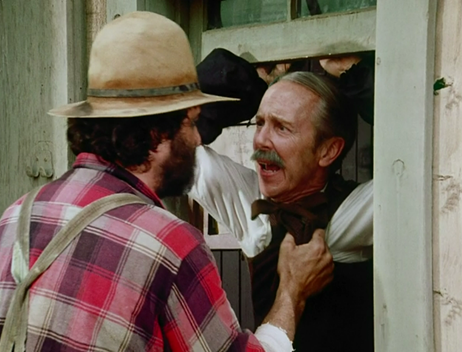
Where he comes from is never explained, but McGinnis seems quite familiar with Albert, chatting with him about all the little football players.
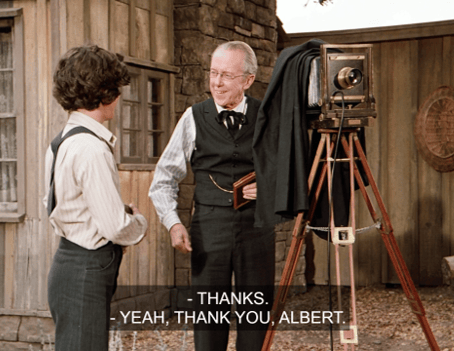
Mr. McGinnis even jokes about worrying for the safety of the little guys.
ALEXANDER: What if the other team’s even smaller? What if they’re playing against chickens?
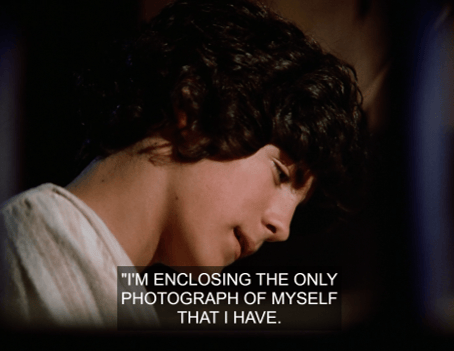
That night, Albert writes Leslie back.
Carrie interrupts, slurping that she’s got a sliver in her finger.
ALEXANDER: Is Albert gonna cauterize it with that lantern?
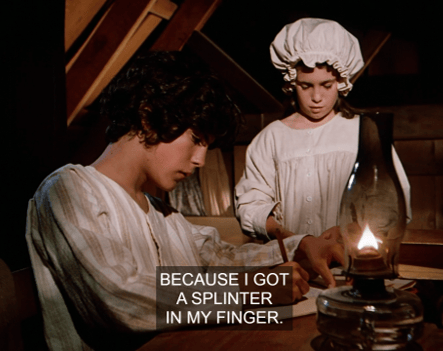
Actually, Carrie slurps that she’s come to Albert rather than Ma because Ma’s approach to splinters is too surgical.
WILL [as ALBERT]: “Yeah. I heard she almost cut off her leg once.”

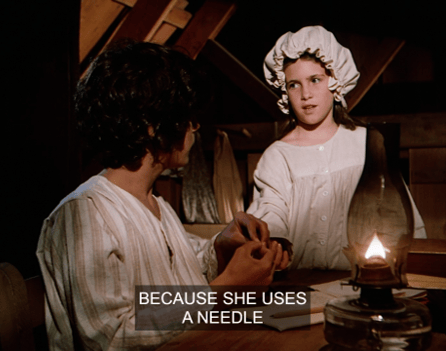
Albert helps her, and she thanks him sweetly. I like Carrie.
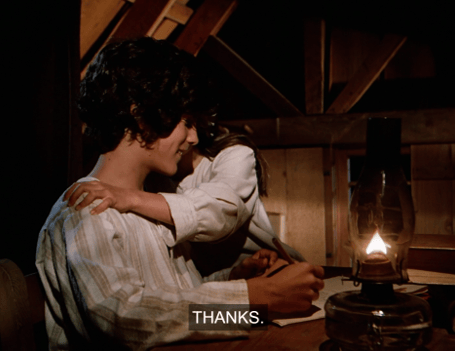
Albert goes back to his writing, describing the splinter incident as a lifesaving medical intervention.
WILL: Albert should be much better at telling lies like this.
DAGNY: Yeah. It’s like he’s lost all his street smarts living with these people.
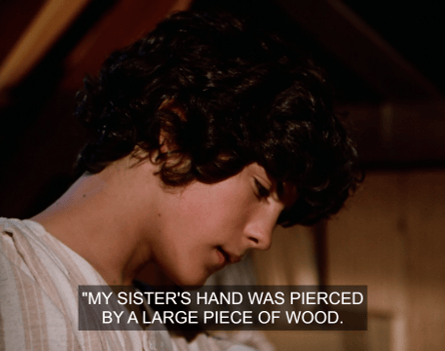
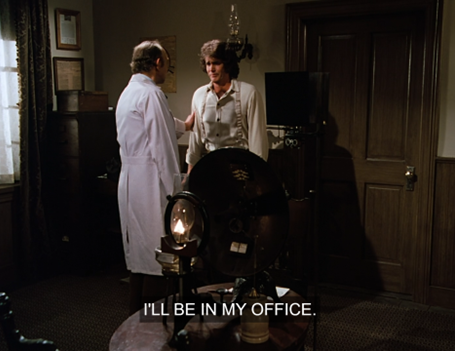
Back in Minneapolis, a doctor is prodding at Leslie’s feet using the classic “Doc Baker-and-Nellie” method. (I believe that is what the test is called in medical schools these days.)
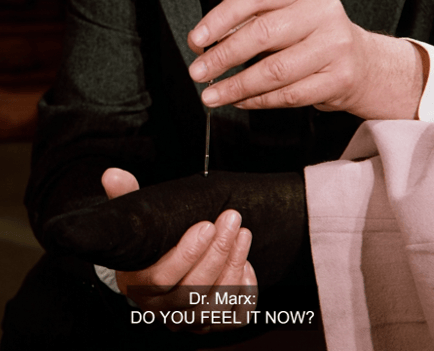
The subtitles (and credits) identify him as “Dr. Marx.”
ALEXANDER: Please tell me Karl Marx guest-starred on Little House on the Prairie.

No, it isn’t the same Marx.
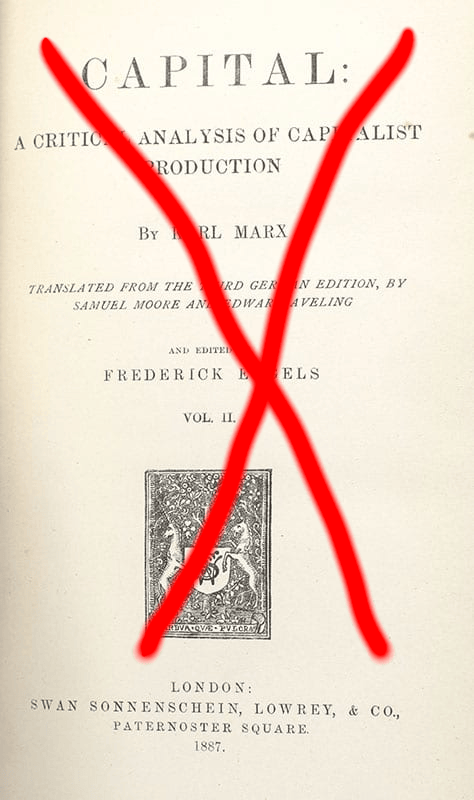
Taking a leaf from the book of the cynical Doktor Fromm in “The Enchanted Cottage,” this Dr. Marx quickly deduces Leslie is just pretending to recover feeling in her legs.

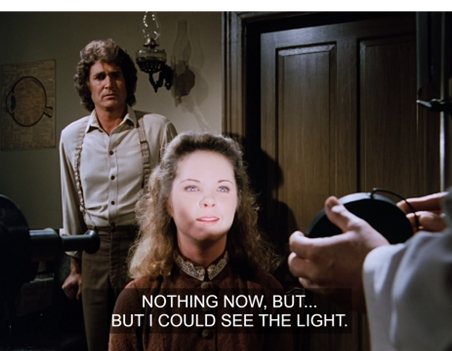
A nurse hovers in the background.
DAGNY: She looks like Lucy from Twin Peaks.
WILL: Yeah, crossed with Miss DiPesto from Moonlighting.
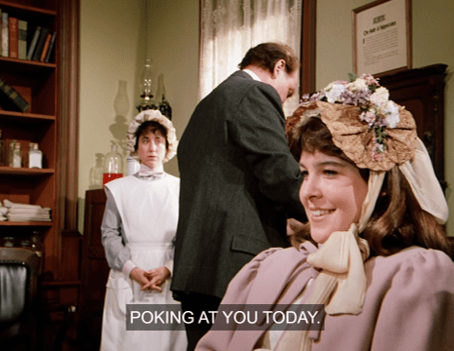

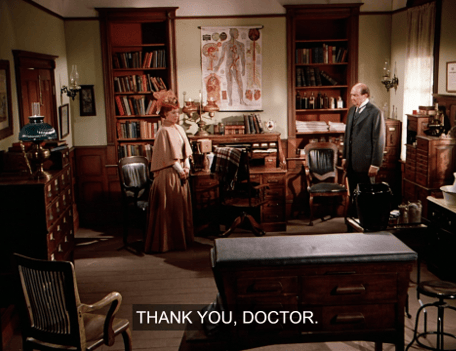
Dr. Marx sends for Leslie’s mom, and tells Leslie “you can wait in my outer office.”
ALEXANDER: Did all doctors have two offices in those days? A regular one, and a smoking room for the men?
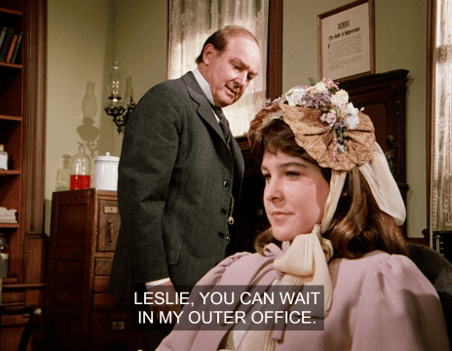
Leslie rumbles herself out of the room, and the doctor winces when he hears her spewing lies. (Actually, he bends over like he’s about to barf.)
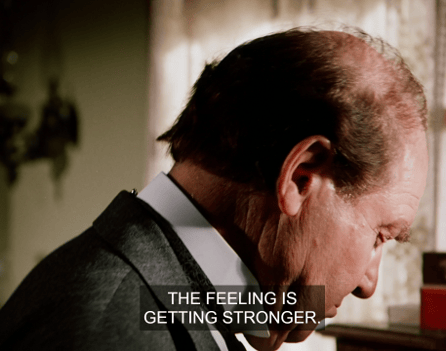
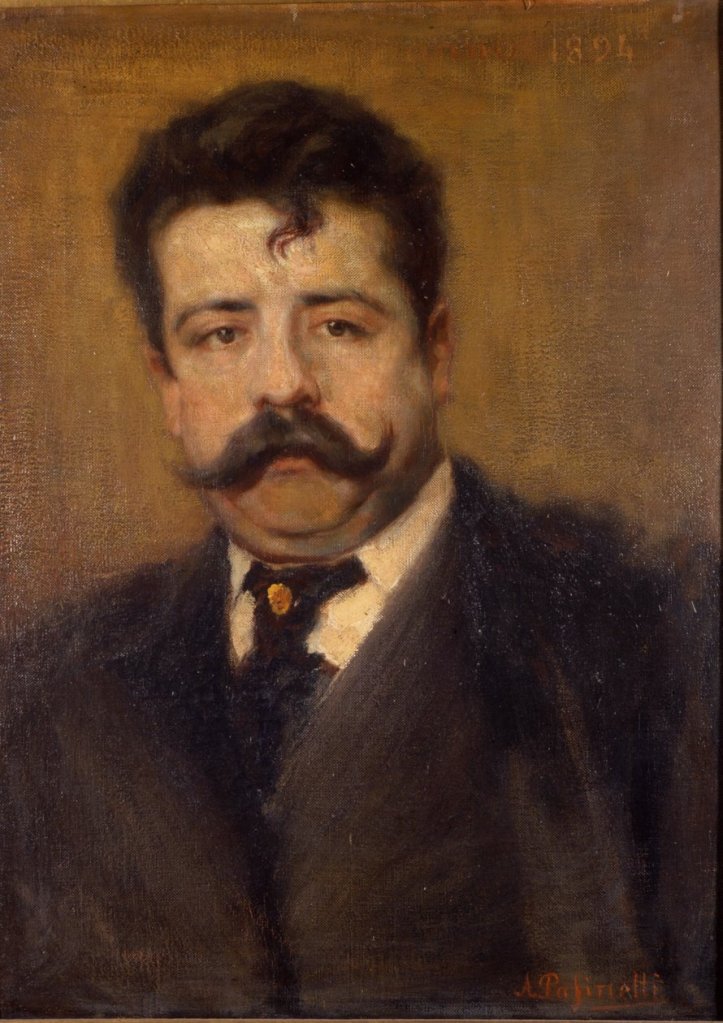
We also see Dr. Marx’s next patient waiting in the “other office.” He appears to be the young Ruggiero Leoncavallo, unless I’m mistaken. (Leoncavallo was thirty in 1887.)
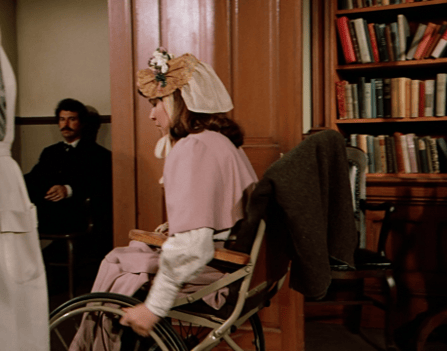
Mrs. Barton enters and looks at the doctor warily.
DAGNY: You can tell from the shadows it’s a Landon episode.
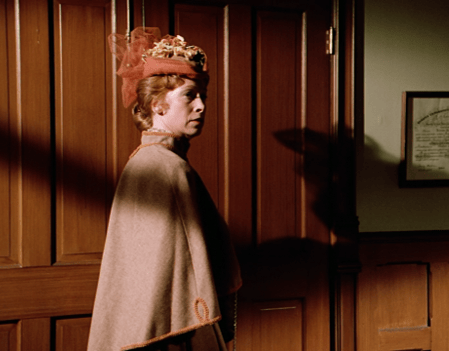
Dr. Marx invites her to have a seat.
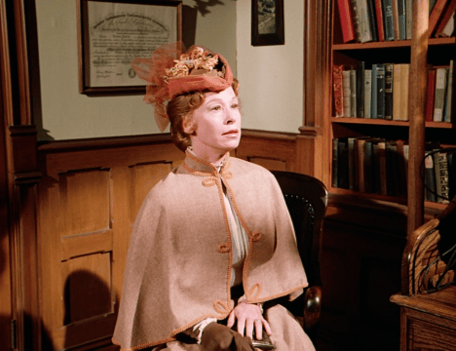
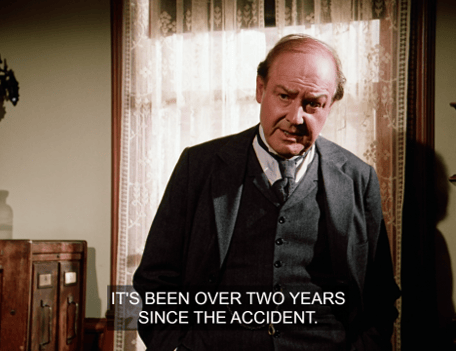
The doctor wearily says he’s not going to pretend anymore that Leslie will regain control of her legs, mentioning she was injured in an accident two years earlier.
ALEXANDER: What kind of accident?
WILL: I don’t know, stagecoach, probably.
DAGNY: Or fell down a well.
WILL: Or got kicked by a horse.
DAGNY: Yeah, or an explosion, or fleeing a fire.
ALEXANDER: Or was pushed down a hill in a wheelchair when she could still walk.
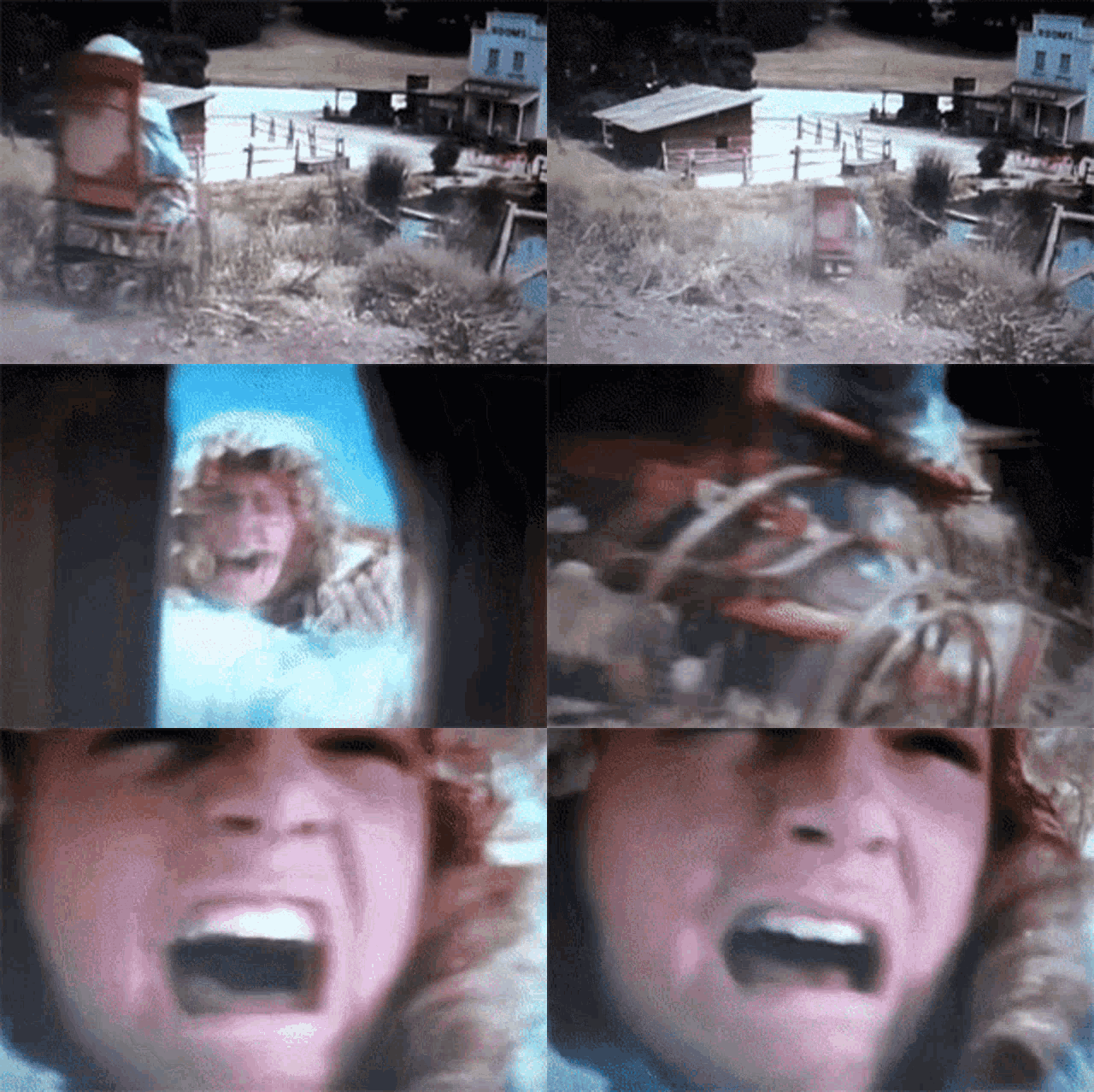
Dr. Marx literally begs Mrs. B to drop the facade.
DAGNY: Does she stab him with a syringe?
WILL: Yeah, like in Halloween II.
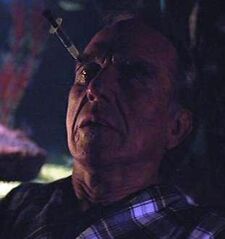
WILL: Why would anyone want to be a doctor in those days? You get paid nothing. Everybody blames you when people die.
ALEXANDER: To have access to ether.
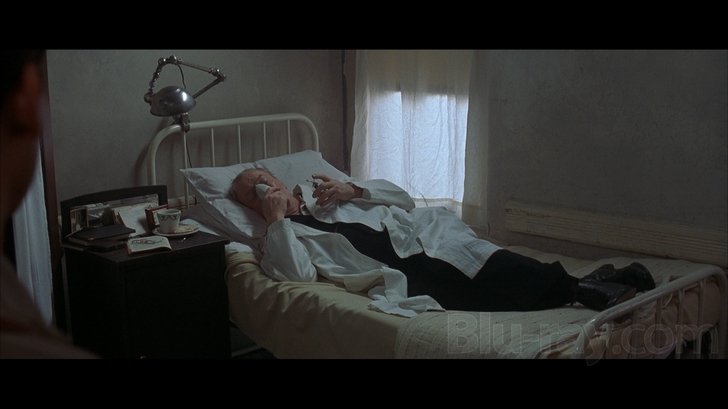
Dr. Marx is played by Martin Rudy. (Some strange people I once knew kept a list of celebrities with “two first names,” I don’t remember why.)
Martin Rudy was also on Highway to Heaven, and also also on Cagney & Lacey, and additionally on As the World Turns and Quincy as well.
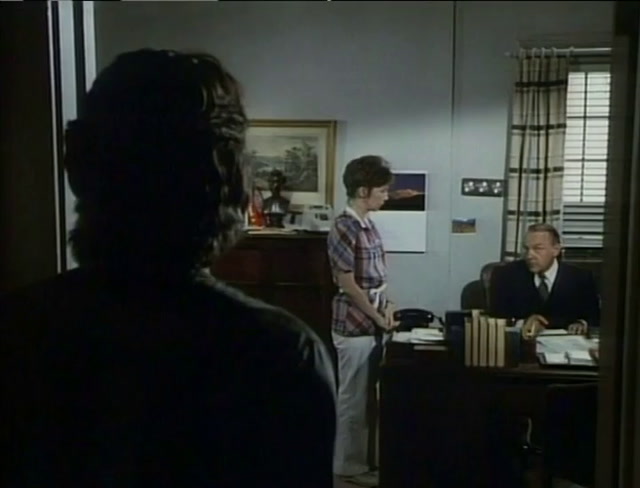
He was in Rescue From Gilligan’s Island, and in the Landon almost-biopic Sam’s Son.

Rudy is pretty good in this scene. Most of the Little House doctors we’ve seen have been, actually.

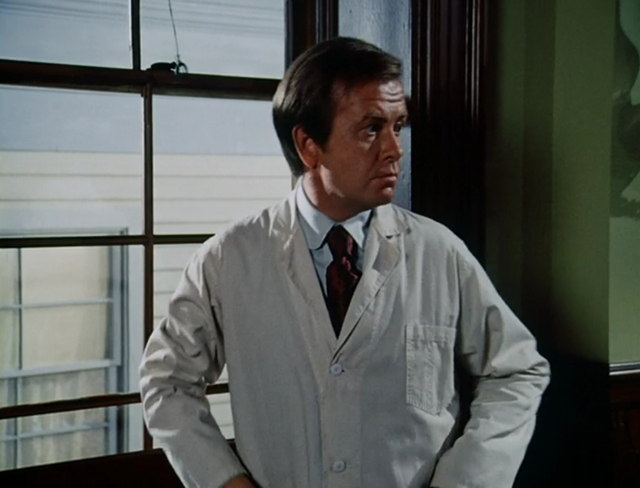
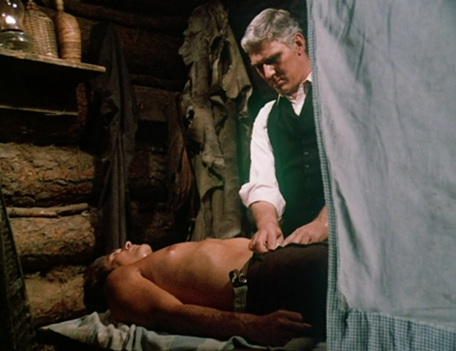
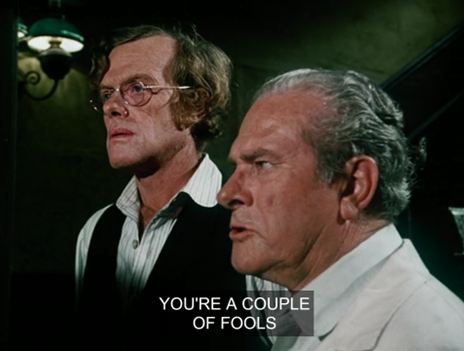
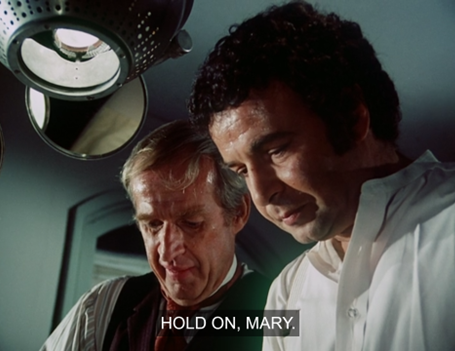
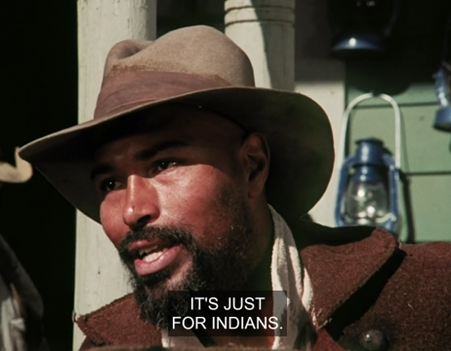
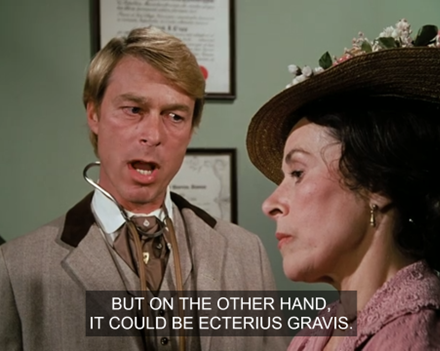
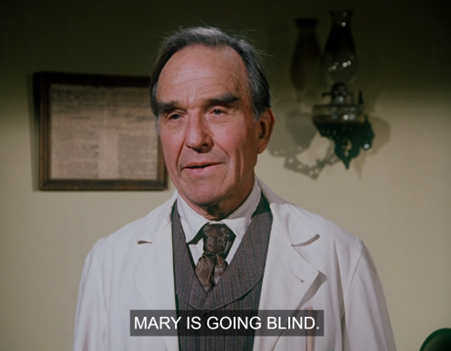
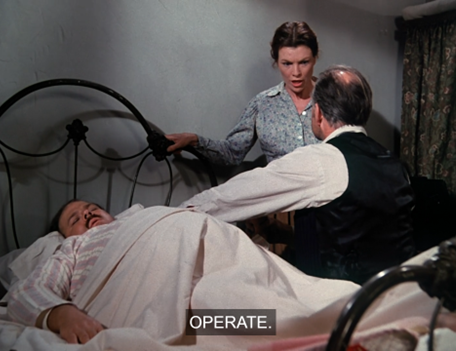
(Did I forget anybody?)
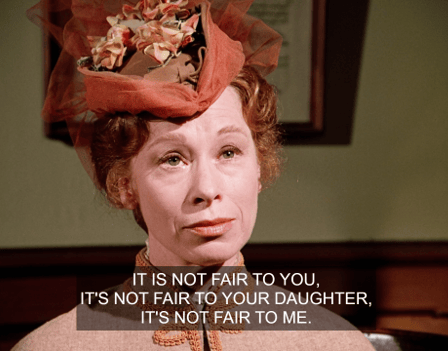
Pulling an excellent facial switcheroo à la Bonnie Bartlett, Mrs. Barton first looks angry, then dissolves into tears.
DAGNY: That clitoris hat is really quite remarkable.
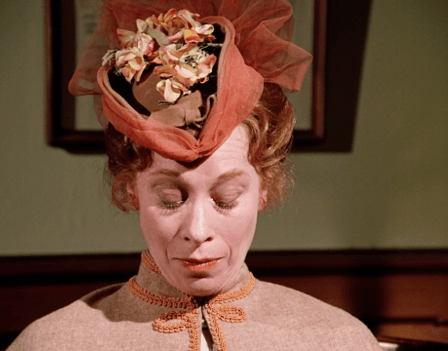
She’s Diane Shalet, who had a recurring gig as a judge on Days, who was also also also on Cagney & Lacey, as well as The Incredible Hulk, the He-Man ripoff Galtar and the Golden Lance (that’s one I haven’t thought of in a while), Perry Mason, and Matlock. (No Highway to Heaven, though.)
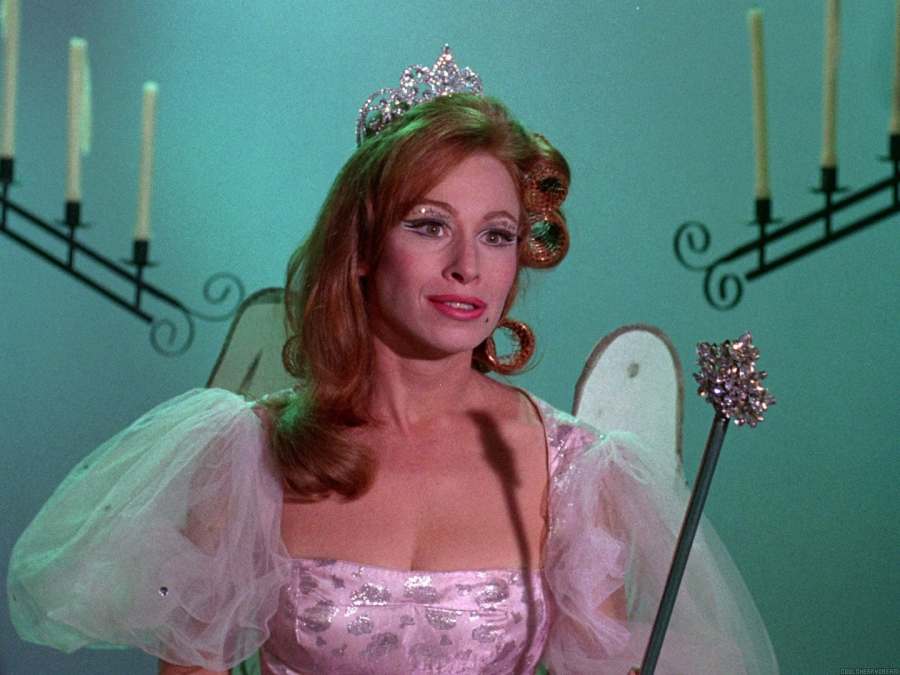
She also was a distinguished novelist.
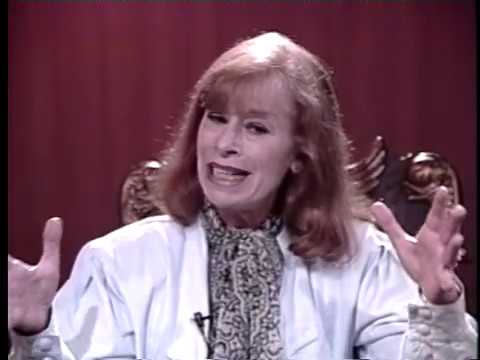
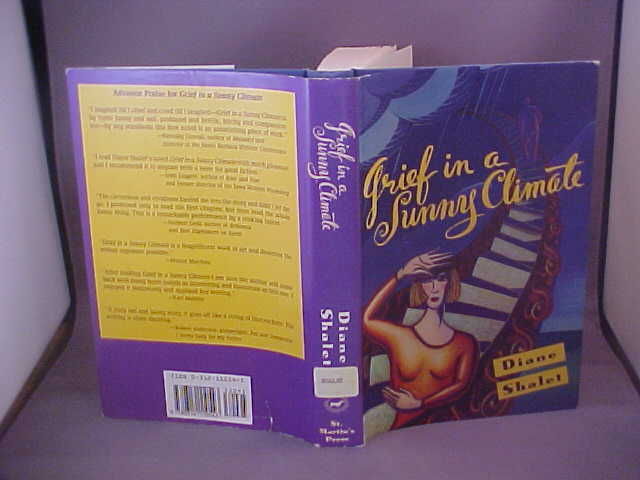
Mrs. B doesn’t argue with the doctor, simply thanks him and goes.
DAGNY: She can really cry, too. She’s great.
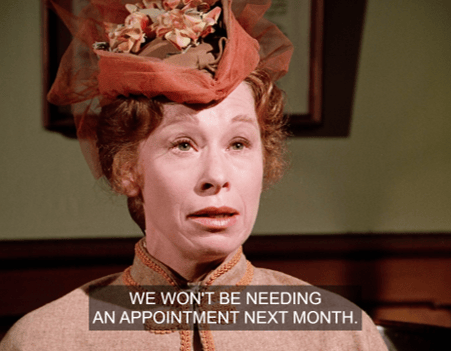
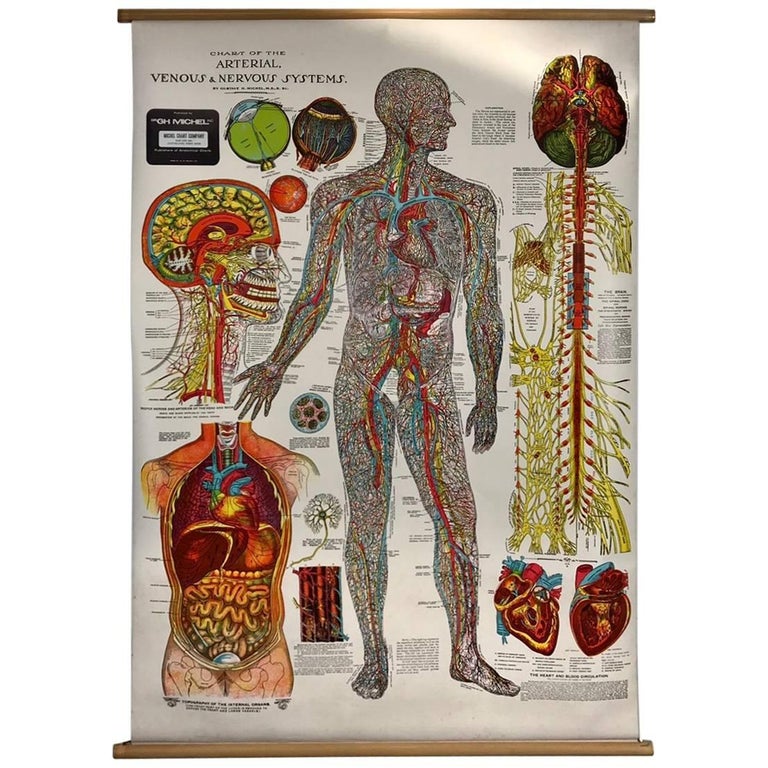
We noted a vintage anatomical chart in Marx’s (non-smoking) office.
ALEXANDER: They knew all that? The nervous system and everything?
WILL: Sure. They’ve had a good handle on anatomy since ancient times. All they had to do was, you know, pull the strings out of bodies, and so forth.
The chart, produced by Ohio embalming company G.H. Michel, was created in 1910, though.
We return to the Barton house that night.
ALEXANDER: Is that Summit Avenue? Oh wait, it’s Minneapolis.
WILL: Yeah. Probably Nicollet Island.

Leslie is looking at Albert’s football pic.
DAGNY/ALEXANDER: [laughing]
WILL: Oh my gawd. . . .
Leslie’s mother enters, saying rather distantly that she’s just come from church. (Are they Catholic? Gallic influences have dominated in this story; in addition to taking French lessons, Leslie wears a (rather severe-looking) fleur de lis pin at her throat.)
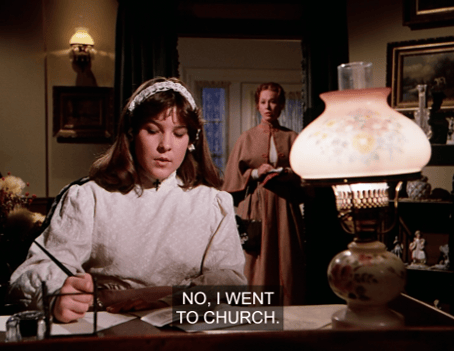
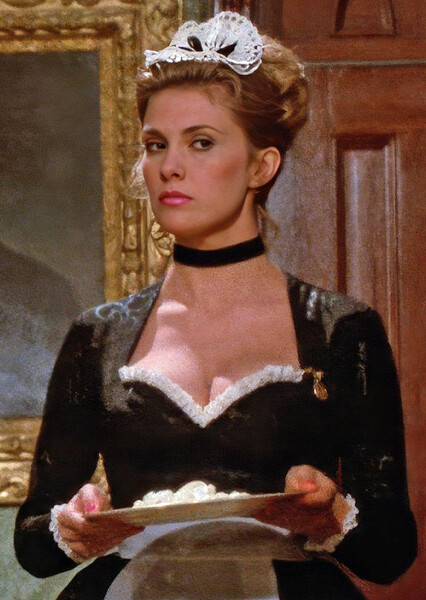
(She also wears a lacy white headband in the style of Yvette from Clue – another French touch!)
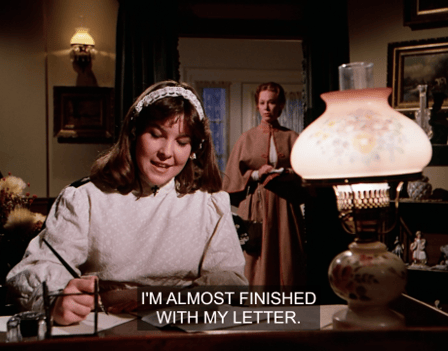
Leslie is pouring her heart into another letter to Dearest Albert.
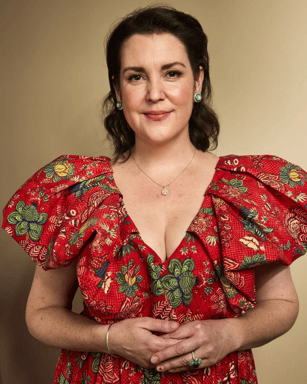
WILL: She kind of looks like whatsername, Maudrey McKenzie.
DAGNY: Who?
WILL: From Yellowjackets. You know, from New Zealand.
DAGNY: Melanie Lynskey?
WILL: Yeah, her.
ALEXANDER: “Maudrey”?
Leslie is wearing her big puffy pink dress again. Or wait, is it a different big puffy pink dress? I’m not sure the color’s great on her, but I’m quite color-blind, so just ignore me.
Mrs. B says she snooped on Leslie’s first letter and was troubled by her lies. She says she’s decided not to take her to the doctor anymore, and Leslie screams at her.
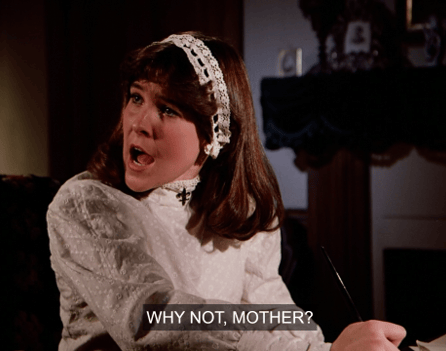
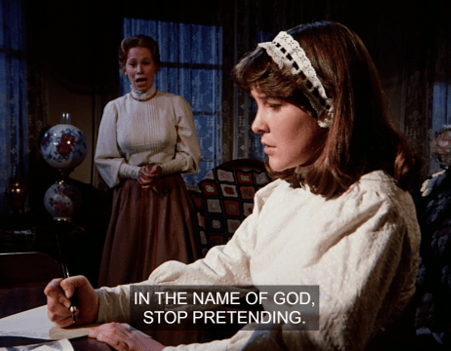
“In the name of God, stop pretending!” Mrs. B screams back.
Leslie tells her she’s written Albert saying she’s taken the principal role dancing Tchaikovsky’s Swan Lake. (Once again, it’s sad that David Rose is on strike. Surely he would have brought in some of his wacko riffs on the big tunes.)
Swan Lake was first performed in 1877, but it was a critical failure and didn’t come to America until 1940.
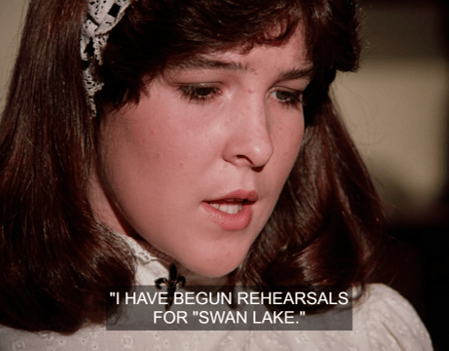
Leslie says when you want someone to fall in love with you, lying is the best policy.
ALEXANDER: This is totally about online dating and social media.
DAGNY: Yes, it’s very contemporary.
WILL: Yes, with an old-timey “Fruitcake weather!” sensibility, though.
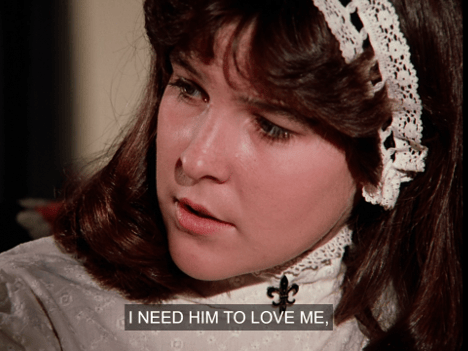
Then Leslie dismisses her mother, fairly brusquely.
ALEXANDER [as LESLIE, writing]: “P.S., my mom hates me.”
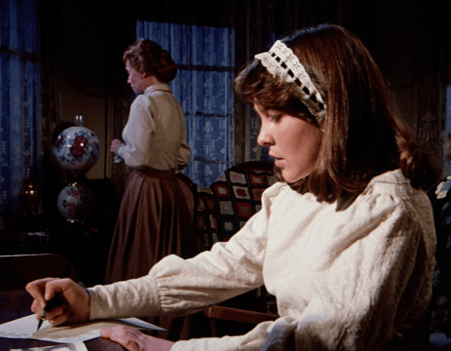
Sniffling and snuffling, Mrs. B says they’ve been invited to St. Louis for Christmas by Leslie’s “Aunt Linwood.” (A tribute to Linwood Boomer???)
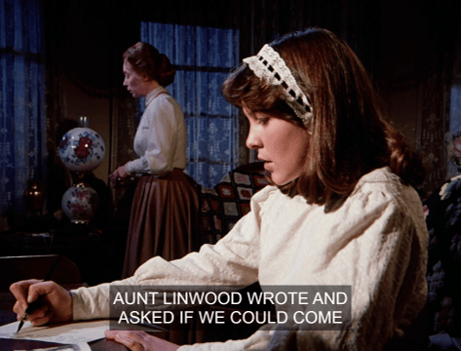
The mention of the holidays puts us in the fall of 1887-M. (With all the letter exchanges, this story must cover several weeks.)
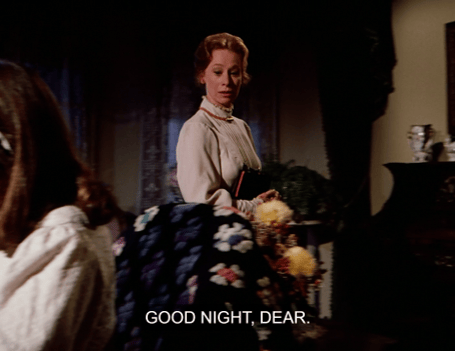
Having lost the battle, Mrs. B snivels away.
DAGNY: Wow, her mom just caves?
ALEXANDER: The kid must control the money. That’s her stepmother – her dad died and left the daughter his estate.
WILL: Hm. That’s interesting subtext. Thank you, Alexander.
Back in Walnut Grove, Little Timmy is reading from his McGuffey. “Is not Frisk a fine grateful fellow?” he reads.
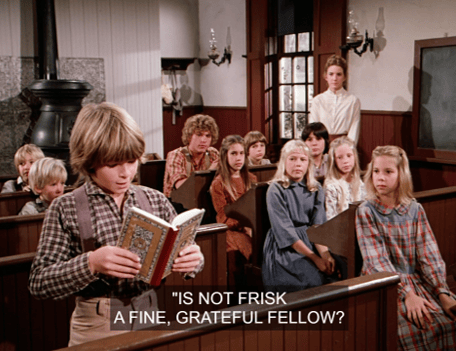
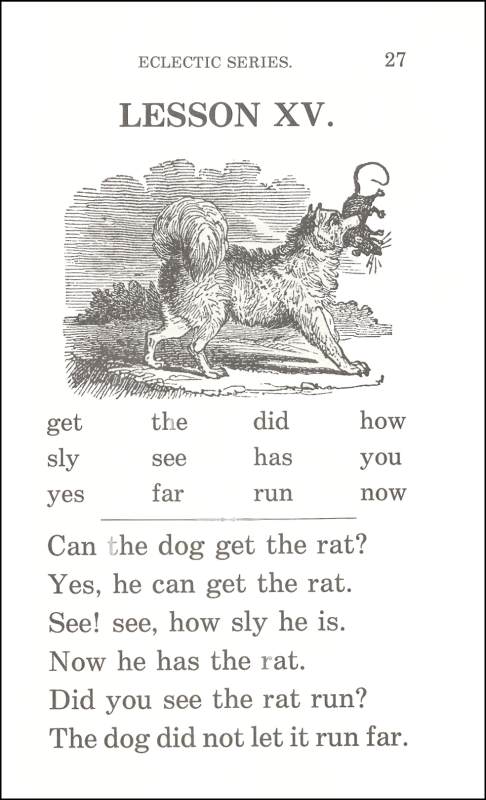
This is a quote from “Harry and His Dog,” a confused bit of Victorian didacticism that really was included in McGuffey’s Eclectic Reader. It’s about a dog named Frisk who delivers pears to a selfish nasty boy who’s been grounded.
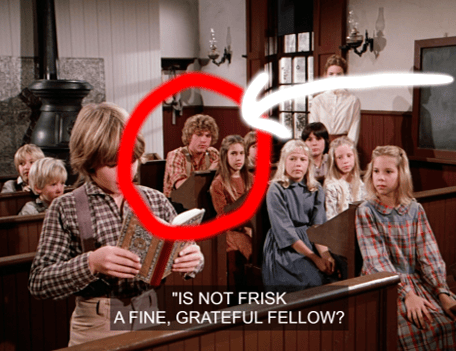
ALEXANDER: Look at all these little kids. Did a few sets of quadruplets move into town?
DAGNY: Well, except that one guy, who looks twenty-four.
Albert is late for class, and Laura summons him outside for a private conference.
Willie’s revealed to be in the corner again.
ALL: [laughing]
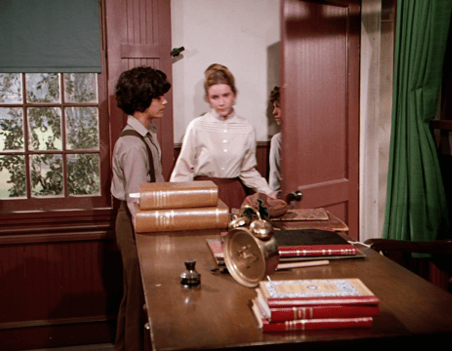
Laura, whose part in this one pretty much sucks, yells at Albert for being distracted because he’s gaga about his pen pal.
DAGNY: It looks like he tried to kiss a porcupine.
WILL: Yeah, or cactus.
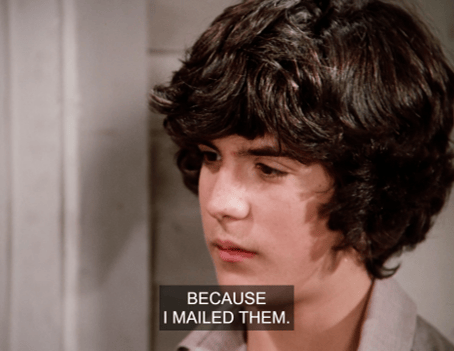
Albert mewls that Laura’s so mean, he hasn’t even let her read his most recent letters.
ALEXANDER: Who’s paying the postage on all these letters?
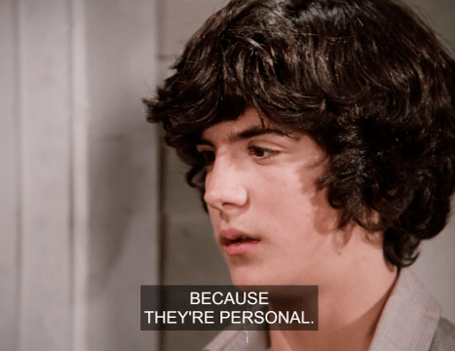
Albert mewls that he’s in love with Leslie.
WILL: I hate Albert in this one. All of sudden they can’t think of any good stories for him. Well, I guess “Sylvia” is coming up. . . .
DAGNY: Yeah. And since Laura got married she doesn’t get any good stories anymore either, just dumb Zaldamo comedies.
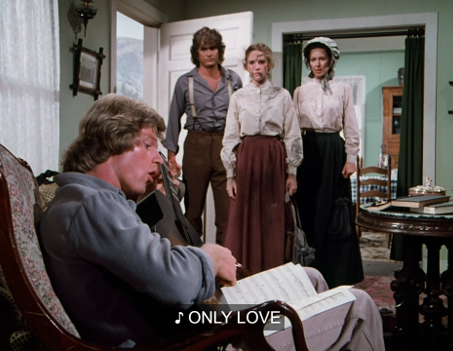
Albert says it’s like Cyrano de Bergerac, in which the beautiful Roxane falls in love with a man on the strength of his (falsified) love letters.
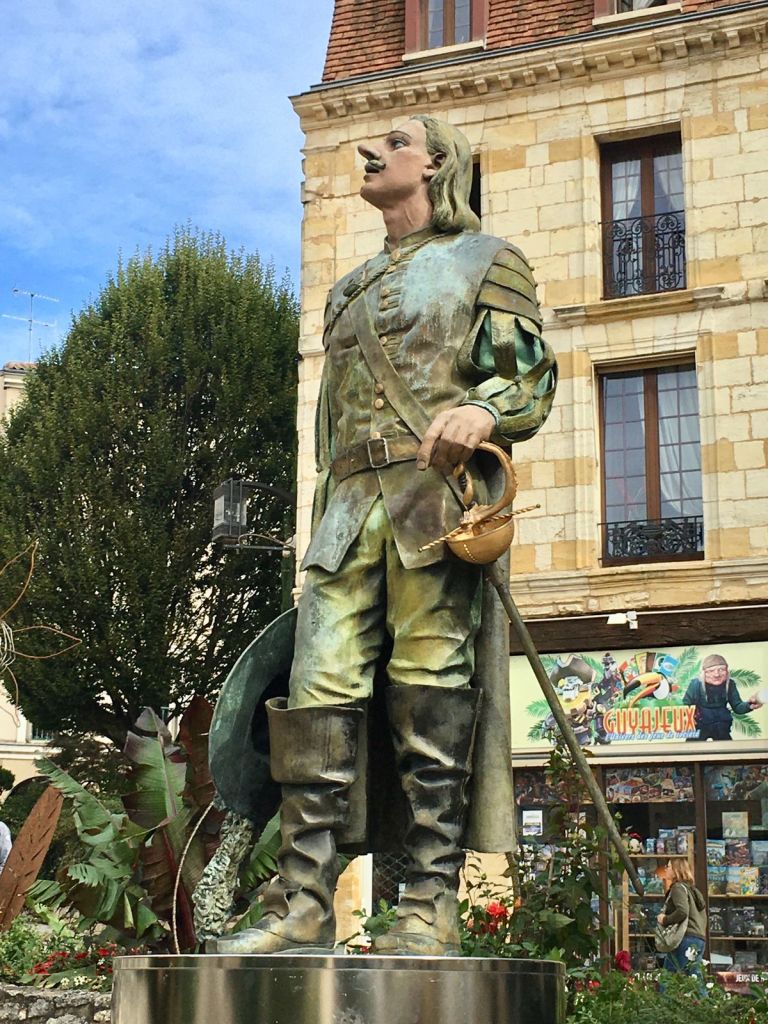
It’s a strange comparison, since while Leslie’s letters are also fake, Albert doesn’t know that.
It’s actually weird he even mentions Cyrano; Cyrano de Bergerac was a real person who lived in the 1600s, but he wasn’t known worldwide until Edmond Rostand wrote a play about him in 1897.


Albert whines and whines, and scene.
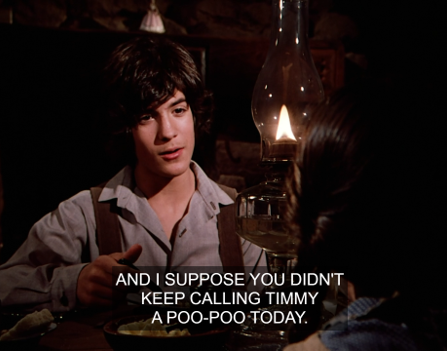
That night, Albert and Carrie bicker at the dinner table, Alb accusing her of calling Timmy a “poo-poo.”
DAGNY [singing]: “Sing BOO to you! Pooh-POOH to you!”
(Dagny is not the greatest fan of Gilbert and Sullivan, but the one song of theirs she does like – from Patience – is a duet that includes the memorable line “Sing boo to you, pooh-pooh to you” about forty different times.)
(You can judge for yourself how funny it is. Like a lot of things, you either like it, or not.)
Pa asks Albert why he was late for school, and Carrie smirks with a grotesque satisfaction and slurps, “He was a-readin’ a letter, that’s why.”
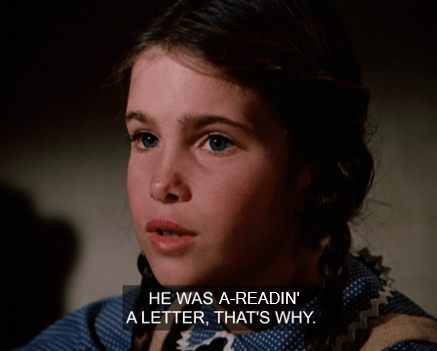
I don’t know whose idea it was to have Carrie say “a-readin’” rather than just “reading” . . . but hats off to you, whoever you were!
I think we’ll all agree, no matter how you feel about the episode as a whole, this is the best Carrie story we’ve had in some time, no question.
Ma notes the inherent conflict of interest in having your sister for your teacher.
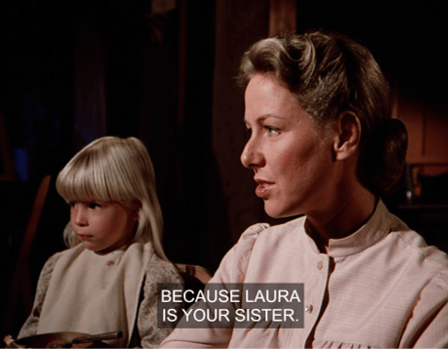
DAGNY: You know who Baby Grace looks like?
WILL: Who?
DAGNY: ¥o-Landi.
WILL: Who?
DAGNY: From Die Antwoord.
WILL: Oh my God!
She does, a bit.
I would guess there’s maybe one or two people on Earth who like both them and Little House on the Prairie. Probably just one. (Dagny.)

Ma offers Pa some coffee.
DAGNY: It’s kind of late for coffee.
WILL: They’re always drinking it late.
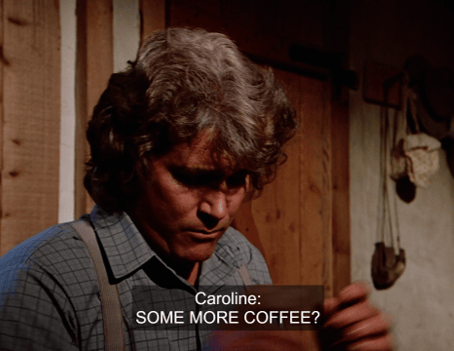
But Pa says he’s got to do some work carving a cabinet for (heretofore unknown) people called “the Barrishes.”
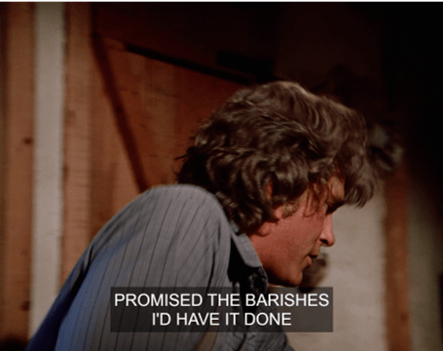
Pa will be traveling to Minneapolis the following week in his capacity as Grangester Supreme, and, following him out to the barn, Albert un-smoothly asks if he can come along, on the pretense of wanting to learn about agricultural labor organizations.
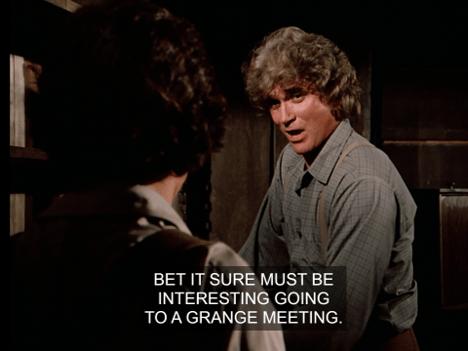
Albert mewls and whines, but Pa says he doesn’t have the money for a train ticket.
Some time passes, and we find ourselves at a train station.
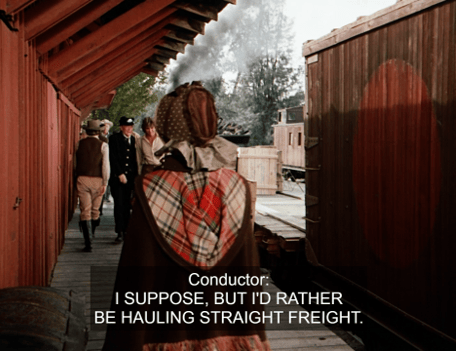
ALEXANDER: Who’s the Black Widow?
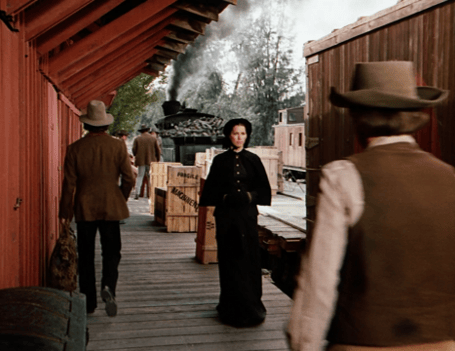
Pa comes up the platform talking to Horace, the Silver-Haired Train Ticket (SHTT) Guy we’ve met thrice before. (With this appearance, actor Dan Priest makes it into the Four-Timer Club.)
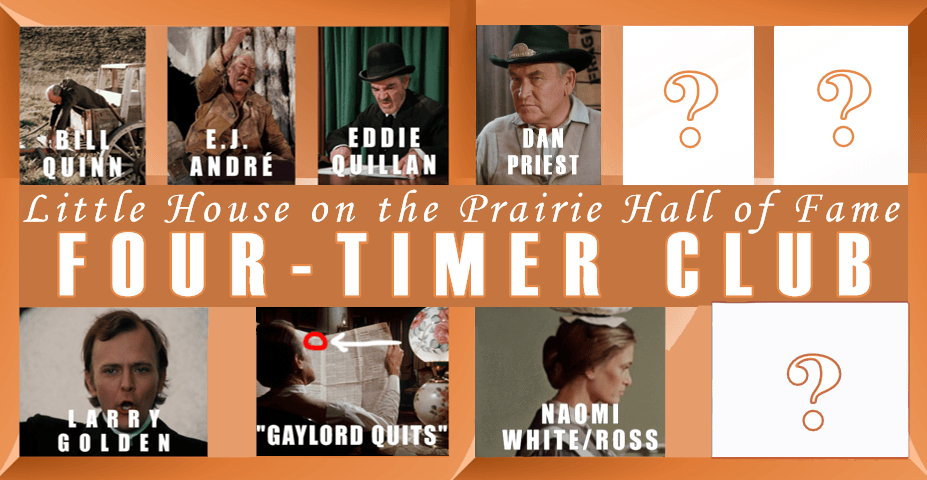
The first time we met Horace, he bashed immigrants and chased Toby Noe around the trainyard in the (fictitious) town of Tipton, Minnesota.

But by the time of the Great Anthrax Outbreak of 1880-J, Horace had been reassigned to Springfield.

Finally, and also in Springfield, Horace was the one who broke the terrible news to Charles that Grandma Holbrook died on her way to the Grove.
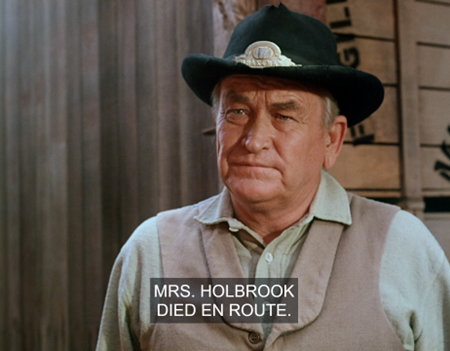
Then Charles broke the news to Caroline. Quite gently.

Horace doesn’t seem to have any memory of those incidents, however. (Or maybe they’ve already covered ’em, since we’re joining their conversation in the middle.)
Horace sees someone jump into a freight car, hobo-style. (If you look closely, you’ll notice Doc’s boytoy D.L. Dawson on the platform.)
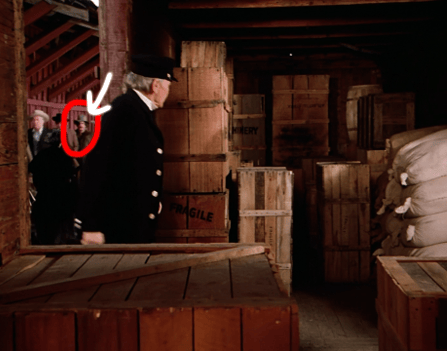

Charles follows Horace (he addresses him as “Harlan,” but never mind that) to catch the hobo, which would seem quite ridiculous if not for the fact that he and Horace are already an established hobo-catching team.
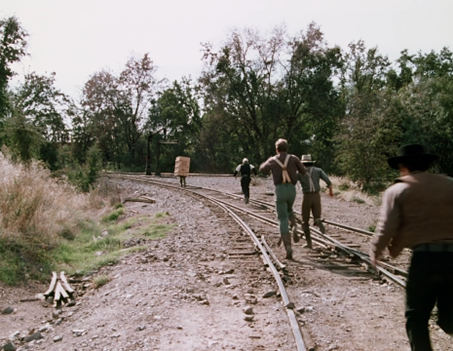
But this hobo is Albert.
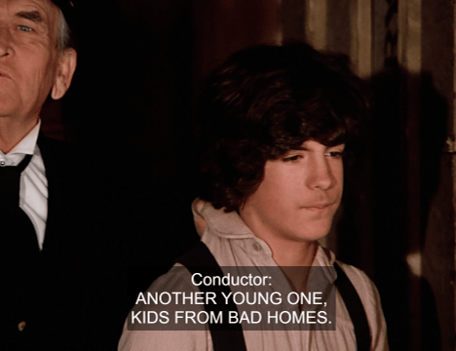
The three of them have an amusing conversation about how it’s bad parenting that turns children into hoboes in these terrible times we live in. Horace also seems now to be fake-Irish, where I’m pretty sure he wasn’t before.
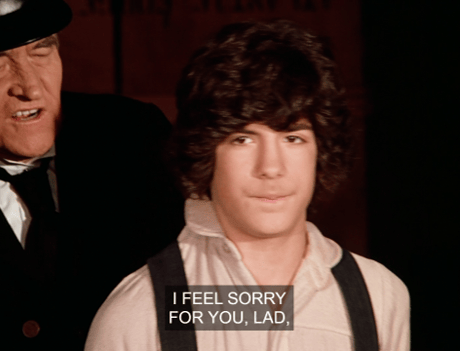
When Albert says he was running away to find his father, who abandoned him at home (heh heh), Pa says he’ll pay the dollar fare ($35) so Hobo Boy can come along.
DAGNY: Hahahahahaha!
WILL: You’re liking this one better than I expected.
DAGNY: Well, Albert’s getting a little of his street-trash spice back.
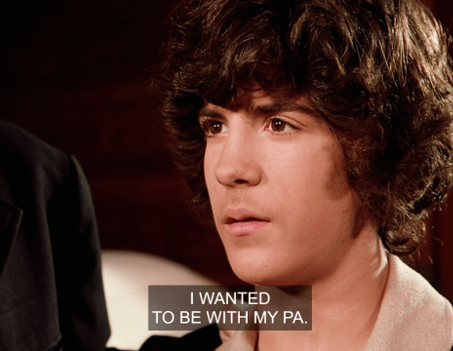
On the train, Pa rips Albert, who arrived in Springfield stowed away on the very stage he took, a new one.
DAGNY: See, this is how that mom should have been arguing with her daughter.
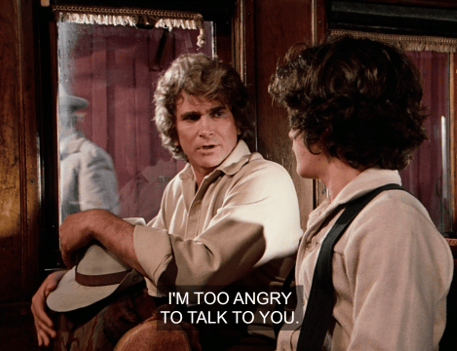
Albert confesses, mewling out his whole pathetic tale. This is definitely the mewlingest Albert story we’ve had so far.
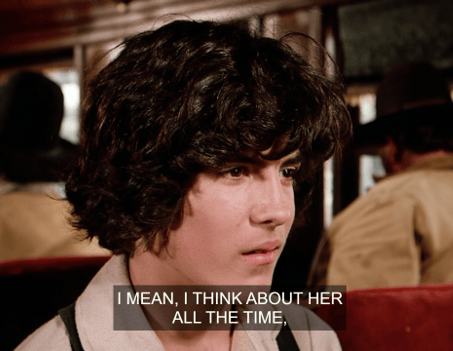
Albert asks if Pa ever talked to his own father about love, but Pa says depressed insane ol’ Lansford was too checked-out.
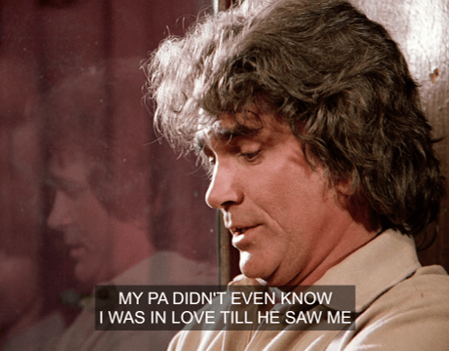
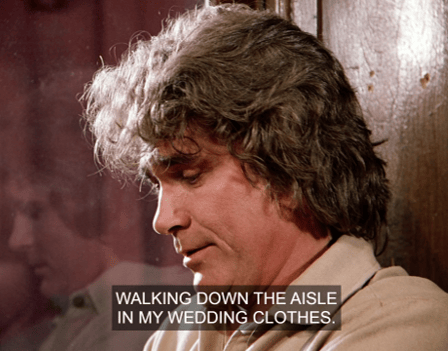

Well, Pa gives in and says they’ll need to telegraph Ma when they get to Minneapolis to let her know where Albert is. (When they get to Minneapolis??? That’s two or three days by train, not counting the half-day it already took to get to Springfield.)
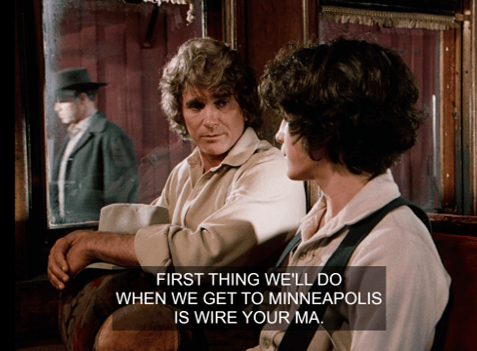
But thoughtful Alb says he left a note.
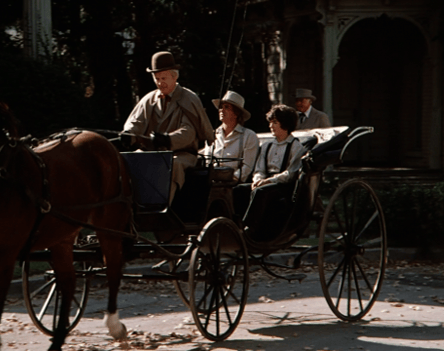
In Minneapolis, Pa takes Albert to Nicollet Island by cab – expensing it to the Grange, no doubt.
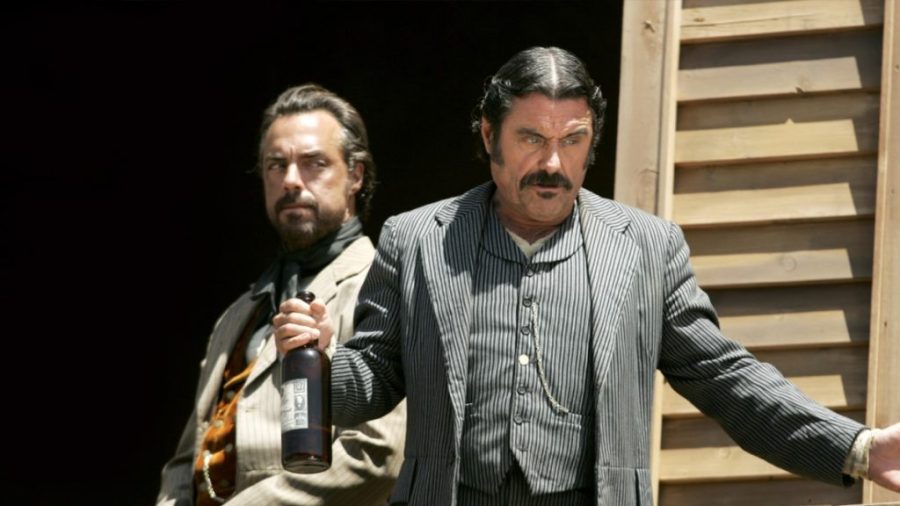
Al Swearengen passes on the sidewalk at one point.
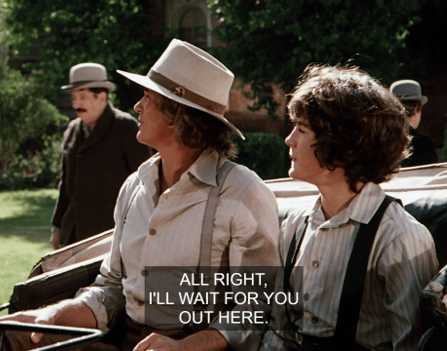
At the Barton mansion, Albert is invited inside by Ma Barton, who answers the door herself.
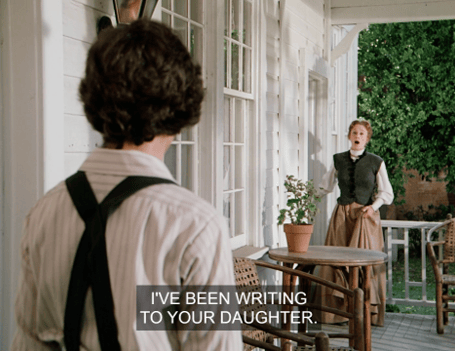
Leslie isn’t home, but Albert confesses to her mom that he exaggerated his attributes in his letters.
DAGNY: Albert is getting tall, though. Look at him compared to her.
WILL: Yeah. I bet she’s itty-bitty, though.
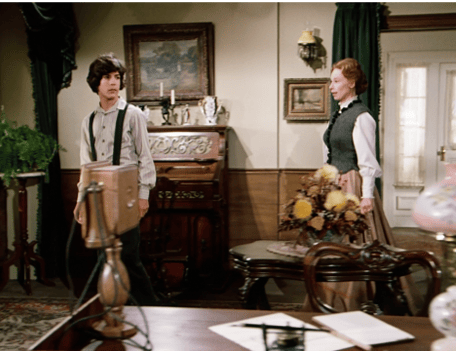
Mrs. B gives their telephone number and asks Albert to call this evening.
But when he does, Leslie freaks out and orders her mother to tell him she’s tired from Swan Lake rehearsals and will be going out of town in the morning.
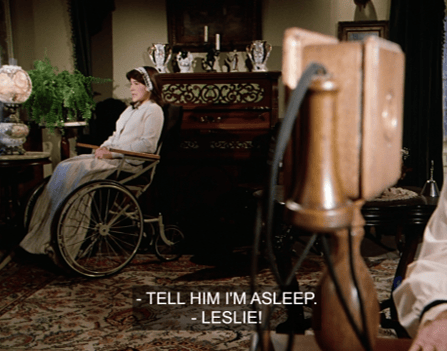
WILL: Does Albert murder her when he finds out about the wheelchair?
ALEXANDER: Yeah, and Garvey has to hunt him down.
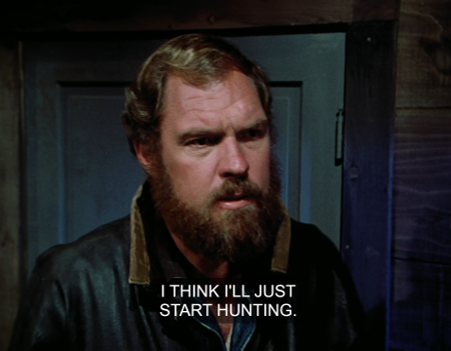
When her mother hesitates, Leslie suddenly thunders “In the name of God, tell him!”
DAGNY: Yeah. You can tell she holds the keys.
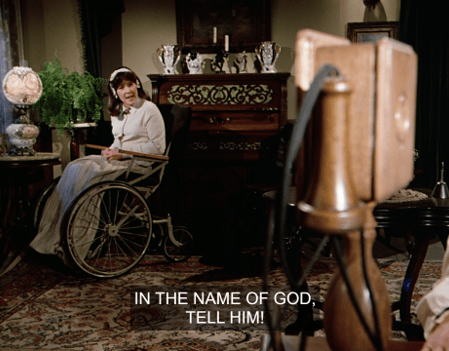
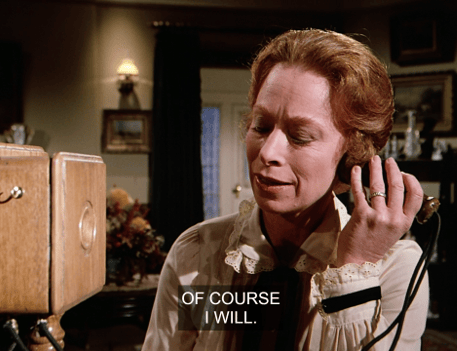
So Ma Barton politely lies to Albert.
DAGNY [as LESLIE]: “IN THE NAME OF GOD, HANG UP!”
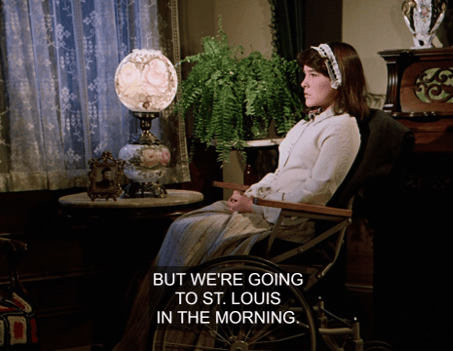
WILL: You know, her telephone acting is good. I can almost hear Albert mewling during the silences.
Leslie stares stonily into the night.
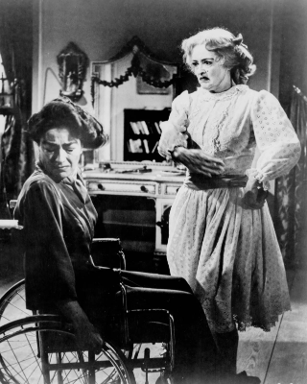
DAGNY: This is turning into What Ever Happened to Baby Jane?
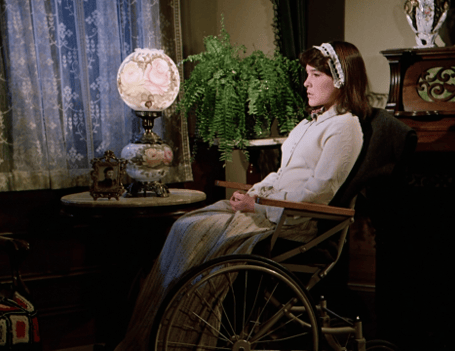
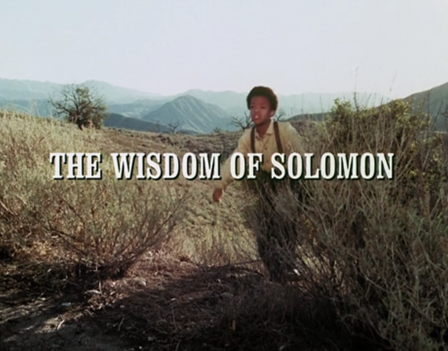
The transition out of this scene is accompanied by some soft piano music, which you may recognize as “Solomon’s Rondo” from The Wisdom of Solomon.
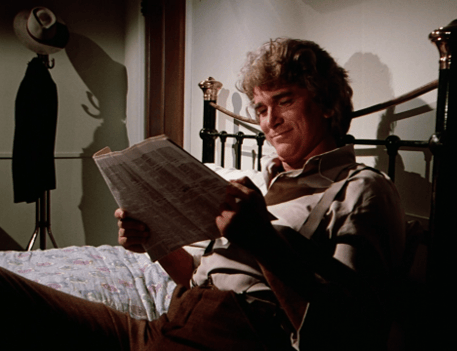
Next we catch Pa readin’ the funnies at the hotel and laughin’.
Albert comes in. (Mewling.)
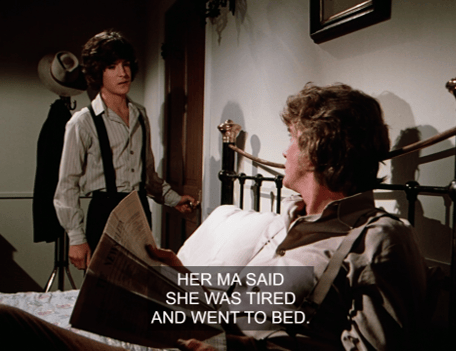
Now comes an interesting scene. I’ll give you the first part verbatim. Albert has just reported being turned away at the Bartons’. Voice breaking, he says:
ALBERT: Her ma told her how little I was, that’s what! She said she wouldn’t but she did. I bet they had a good old laugh over it too.
PA: Ah, come on now, you don’t know that.
ALBERT: Oh Pa, of course I do. She could have seen me otherwise! I came all this way just to be honest with her. Well, I learned my lesson. I hate her now.
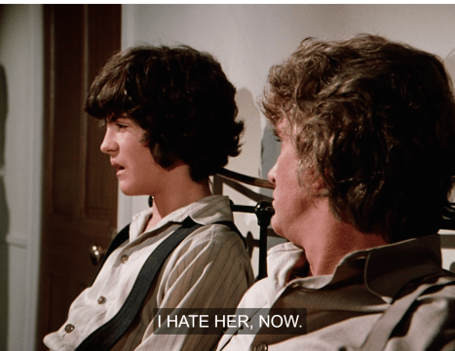
(Pa, as we know, doesn’t like hatin’.)
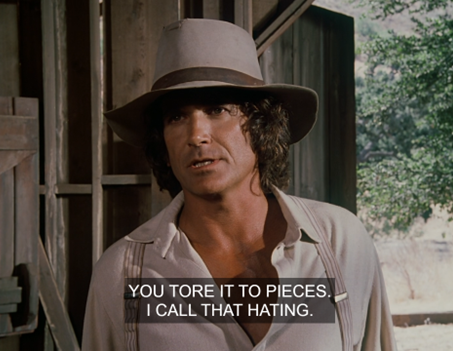
PA: Oh, come on, you don’t hate her and you know it.
ALBERT: I do too! I’ve got a good mind to go over there and tell her so! So high and mighty . . . livin’ in a big house, dancin’ in a ballet, she thinks she’s really somethin’.
Well, she don’t mean beans to me and I hate her.
Strong words for Little House!
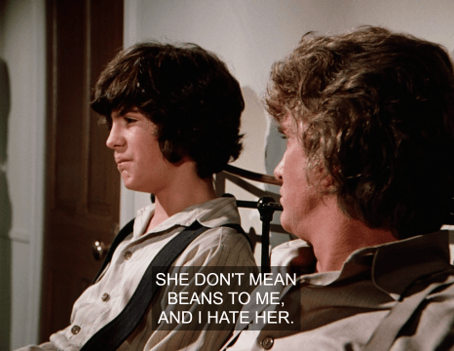
WILL: Wow, that’s an extreme reaction.
DAGNY: No it isn’t. I bet it’s ripped right from Michael Landon’s teen experience. He felt the same thing and wrote it that way. I think it feels quite authentic. And for a boy of Albert’s age, it’s perfect.
Albert says any height or other bodily deficiencies should be overlooked to see the person within.
DAGNY: Matthew Labyorteaux is sublime in this scene. Too bad the shot’s blurry. Charles looks so crisp.
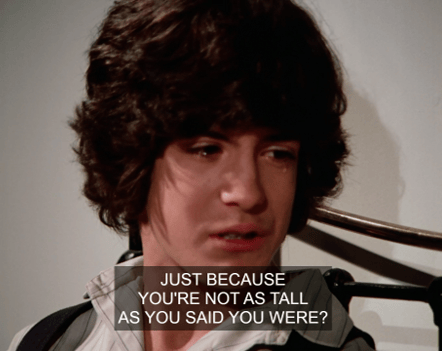
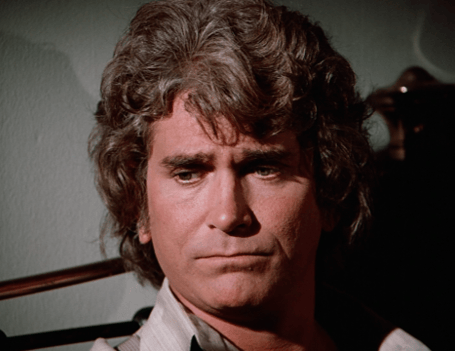
WILL: Yeah, I wonder if it was a new hire or something. Haskell B. Boggs probably was running the Charles camera, while a noob was doing Albert Cam.
DAGNY: I’m sure Landon hit the roof.
Albert then starts sneering about us Minneapolitans with our woo-woo arts and culture. (Nothing we haven’t heard before.)
WILL: Oh, tell it to Timothée Chalumeaux, Alb!
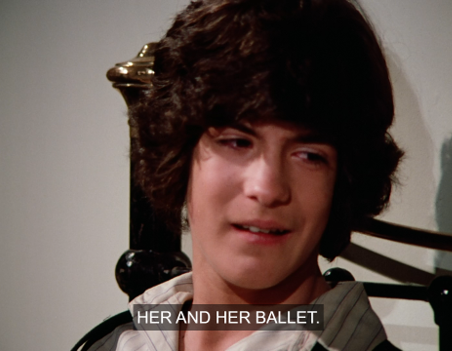

Anyways, he convinces Pa to bring him back to Barton Abbey early the next morning, and they sit in a cab watching the house.
ALEXANDER: Catfishing AND stalking. Are they gonna add arson?
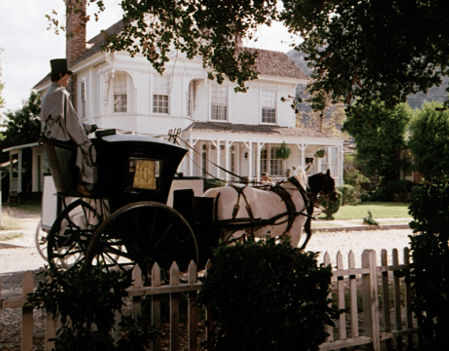

Another cab arrives to take the Bartons out of state.
WILL: So the family really is going to Saint Louis today? I thought she just said that to get Albert off the phone.
ALEXANDER: Yeah. Didn’t they just get invited yesterday?
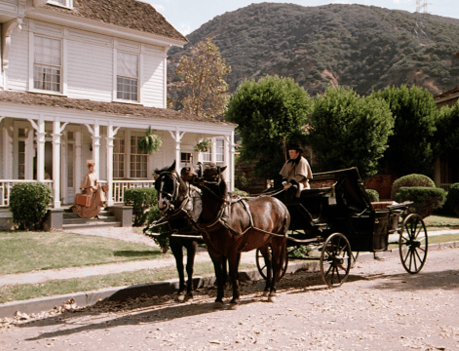
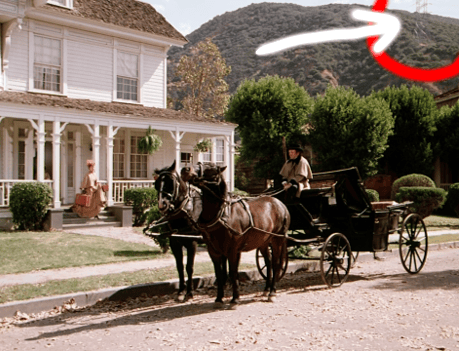
As you might expect, Minneapolis was the most technologically advanced city in Minnesota at the time – complete with modern electrical towers, if you look closely.
Albert spots some servants coming out bearing Leslie. I mean, she’s not dead, they just are helping her down the porch steps.
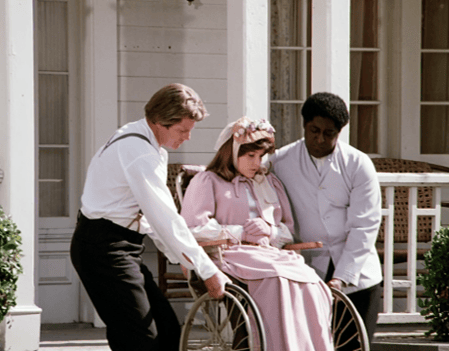
Maybe Leslie’s dad is still alive, since one of the men is in shirtsleeves and pats Leslie’s arm comfortingly.
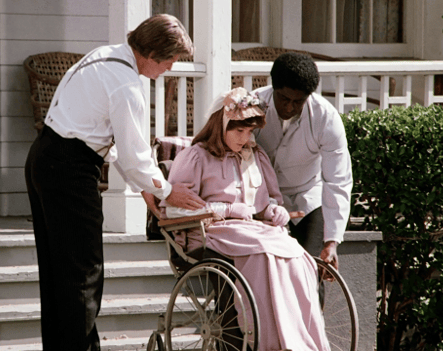
Then again, he doesn’t say goodbye, just turns and walks back into the house, so I’d guess he’s probably the faithful butler and had his jacket off to polish the silver, or something.
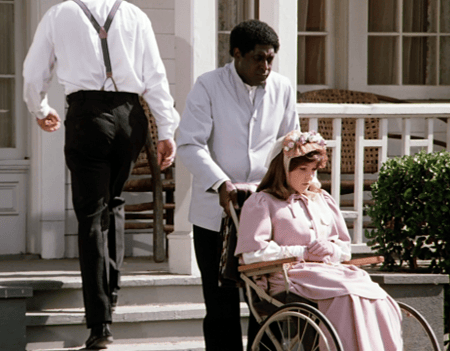
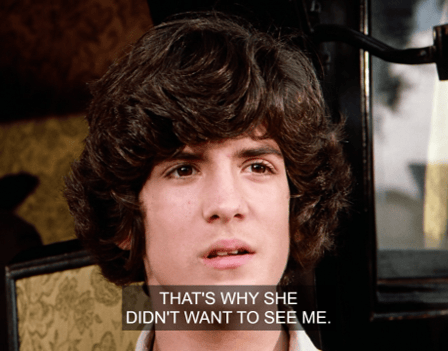
“That’s why she didn’t wanna see me,” Albert says, seeing the wheelchair.
DAGNY [as PA]: “Yep. Never trust a woman.”
Albert approaches Leslie, who’s in another of her pink getups, and she recognizes him.
DAGNY: Is she a Bateman? She looks like one.
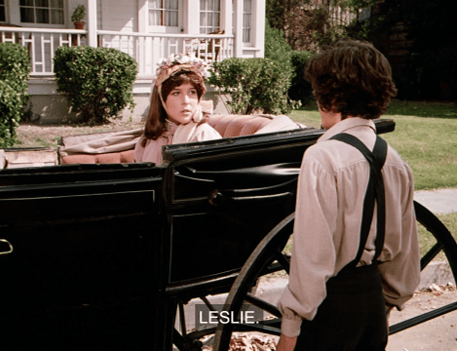
As Pa and Mrs. Barton watch, Albert gives Leslie a ridiculous lecture about Always Being Yourself.
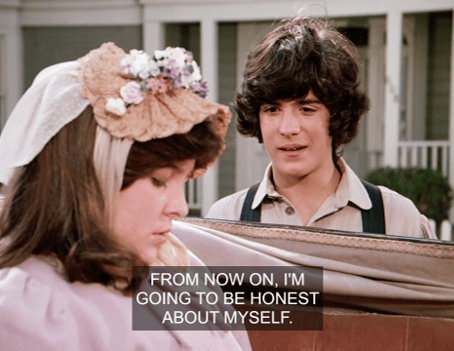
Albert wraps up his remarks with some comments on “lovin’.” (Clearly he’s been eavesdropping on Ma.)
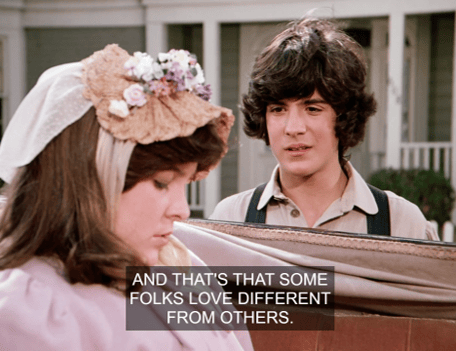
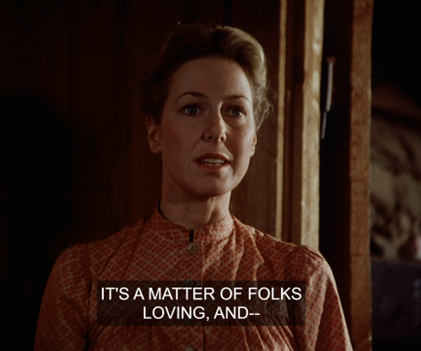
Well, his speech is a complete flop, because Leslie just stares at him, pursing her lips.
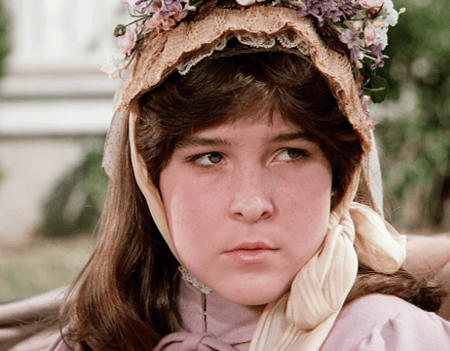
“Have a good trip,” Albert says, and walks away. Turning, he shouts, “I love you, Leslie Barton!”
DAGNY: In front of the coachman? How embarrassing.
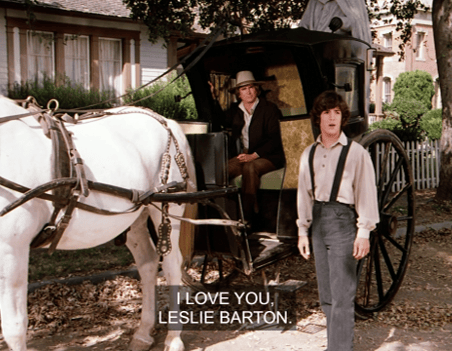
Still no reaction.
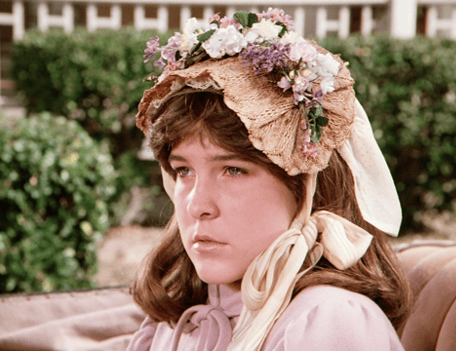
DAGNY: Pa should never take his kids out of town. It’s always disastrous.
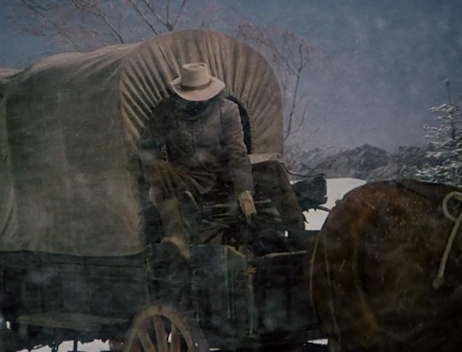
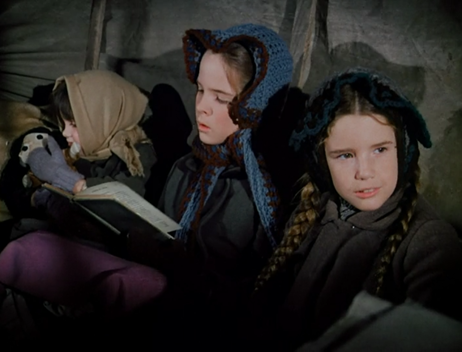




Back in Walnut Grove, Mrs. Foster (yay!) is mail-sortin’.
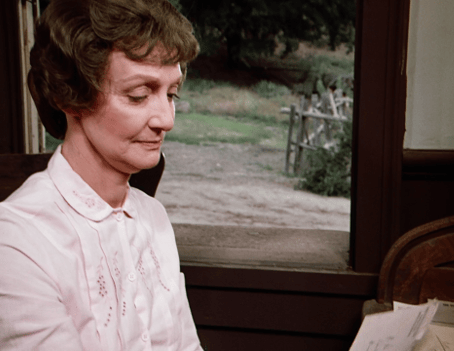
WILL: Remember how Kezia used to steam envelopes open, with that bird?
DAGNY: Yeah, back when Walnut Grove was fun.
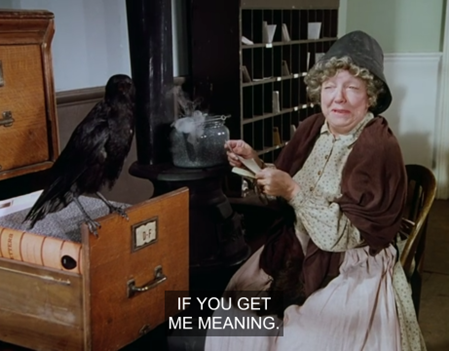
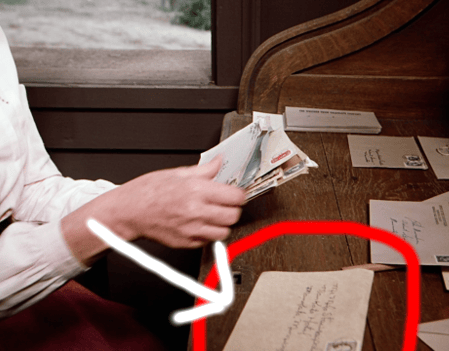
We can make out the writing on some of the envelopes. There’s something from Chicago addressed to the Mercantile, and, fairly astonishingly, there’s a letter addressed to “Mr. Milo Stavroupolis, Mankato Hotel“!
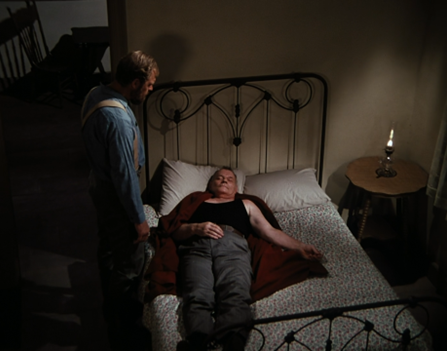
Apparently some time has passed, because Albert’s back in town. Mrs. Foster rushes to give him a letter.
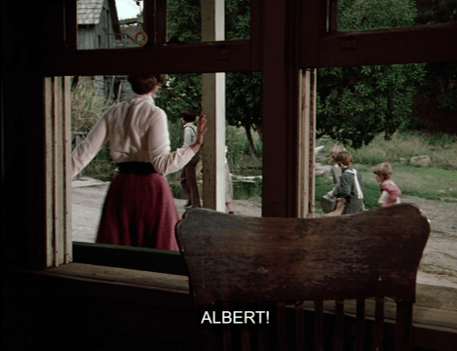
Telling Carrie to piss off, Albert opens the letter, which (Voiceover Leslie tells us) reads:
My dearest Albert – This is the longest letter I have ever written, because there are so many things I have to tell you. You asked me to be honest with you, and I will be from now on. Let me start with I mish you, and I love you, Albert Ingalls.”
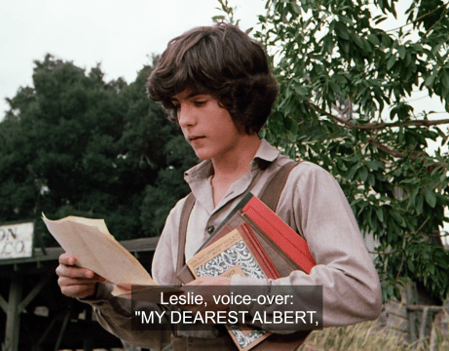
When I was about Albert’s age, I had a passionate relationship with a girl at school that we conducted entirely through letters. (It didn’t work out either.)
DAGNY: Did she say “I mish you”?
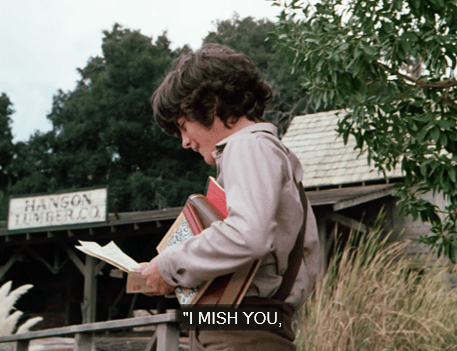
Yesh. Bum-Bum-Ba-Dum!
STYLE WATCH:
Charles appears to go commando again.
THE VERDICT:
DAGNY: Pretty good! Matthew Labyorteaux was great.
ALEXANDER: Yeah. I liked it.
WILL: Ugh, I can’t stand that one. Empress Leslie is so unlikable. And I can never understand why they don’t save it to the end to reveal she’s in a wheelchair? The whole idea works better as an O. Henry twist ending, with the story told from Albert’s perspective.
ALEXANDER: Oh, sure, the story was bad. But it was good. That’s Little House, you know.
WILL: Yes. I suppose I do.
See you all next time.
DAGNY: Plus, that was quite the hat.
WILL: It was quite the hat.
UP NEXT: The In-Laws


Loved this review! Nice to think that LHOTP was ahead of its time with catfishing! I agree that ML was great in this. Just a tad annoying. But what teenager in love isn’t?👒
LikeLiked by 1 person
Thanks, Maryann. Like a lot of “bad” episodes, I wound up liking this one better than I expected. Good old Little House. . . .
LikeLike
I really thought the catfish line was a reference to the catfishing slang, who’d know it was a coincidence? It seems the term originated from the 2010 documentary Catfish, about Nev Schulman’s experience of being deceived by a woman named Angela Wesselman who made up facts about her and her family, and getting into a romantic online relationship with her nonexistent sister. During the doc, Angela’s own husband appears and shares an anedocte about shipping live cod in tanks with catfish, which allegedly keep the cod active and prevent their meat from turning mushy during transport, so he used this metaphor to describe how his wife kept Schulman on his toes and added excitement to his life. I wonder if the writer had the exact same idea and so happened to use it on the story as an intern metaphor.
I think it’s possible that they revealed Leslie’s wheelchair-bound condition early in the story to ensure out sympathy from the get go, as otherwise she comes across as demanding and deceiving, so it’d be (even) harder to accompany her attitude towards her mother and tall tales to Albert, though it may not have worked for everyone as she still comes across as a bit whiny, even if her situation does explain why. I do wish we’d seen her after having changed her mind and decided to tell the truth, as the last time we see her is when she doesn’t seem to have changed, then her voice in her letter to Albert and Laura’s narration are the only thing indicating that she did, reminding me of Coach Ellerbee and his mostly offscreen change of heart.
In another coincidence, Matthew Labyorteaux went on to marry a woman named Leslie. I wonder if she’s good at basketball– Matthew’s characters sure tend to like girls who are skilled with a basketball, since in Deadly Friend, he’s friends with one who becomes a killer robot and explodes Anne Ramsey’s head with one :))
LikeLiked by 1 person
Yeah, I maybe should have spent a little more time on the catfish coincidence. It’s almost spooky, isn’t it? Especially since it’s just a throwaway line to describe Albert’s supposedly boring life. He could have just said “I went fishing yesterday,” or cleaned the chicken coop, or whatever. It’s almost as if a time-traveler from 2026 went back to 1980 and suggested to Michael Landon that he add a catfish to his script. But why the hell would anyone do that?
I think you’re right about needing to make Leslie sympathetic, though I’m not sure how well they succeeded. I don’t like to bash child performers – well, other than our principal cast, obviously! – but I’m not sure Suzy Gilstrap’s very flat affect works too well in this story. But as you say, maybe the writing didn’t do her many favors this time. . . .
I guess the version I envision wouldn’t make a good hour-long drama; half an hour would probably be enough, a la The Twilight Zone. The entire thing would be told from Albert’s perspective; the only exposure the audience would have to Leslie until the ending would be through her letters (just like Albert). (Suzy Gilstrap could do the voiceover.) Albert keeps inventing more and more outlandish characteristics for himself (the ones in the episode stink; why not claim to be an acrobat, or a published writer, or an adventurer who once walked from Walnut Grove to Sleepy Eye . . . oh wait, he really did do that). We in the audience start getting more and more nervous about what’s going to happen when his lies are finally exposed to Leslie. There’s no way he can live up to his stories. Then BOOM! the twist at the end is that SHE’s been lying the entire time as well! Well, I know that is the actual story, but because we know from the start that Leslie’s also lying, we’re not as invested in what she’ll do when she finds out Albert is. She’s a liar too, who cares what she does?
As for Deadly Friend, ha! Now that’s a great idea. With the help of Jason R the Scientist (special guest star Eric Shea), Albert could arrange for a Frankenstein-style “procedure” that gives Leslie working robotic legs. But the robot part takes over and she starts killing Grovesters left and right with basketballs! In fact, she could recreate the Anne Ramsey scene with Mrs. Oleson . . . only the whole thing turns out to be a dream Nels is having, or no, maybe Percival! What do you think of that?
LikeLiked by 1 person
He he, now that’s one creative scenario. It reminds me of when I was discussing with my cousin, who’s mildly familiar with Little House lore, about fan theories about how Albert could have survived his diagnosis in the first film to become the town doctor according to the morphine episode. I commented how fans make theories and stories about a misdiagnosis for Albert, along with some where Sylvia lives and he marries her; and my cousin suggested a scenario where one of them is reanimated with a mechanical steampunk heart (don’t ask) and the other is ressurected as a zombie, a la Pet Sematary. Believe it or not, this is not the most outlandish take I’ve heard yet on “Albert and/or Sylvia lives”…
I guess Jason would have to be recast though, since Eric Shea stopped acting by the time this episode aired (I think Mike Lookinland could play for a newer appearance, since he and Shea look so much alike).
LikeLiked by 1 person
Well, I know there’s some weird fanfic out there (I love the Zombie Sylvia idea myself), but that’s only natural when there are so many question marks, unconnected dots, and contradictions contained in The Official Landon Version of events. I remember when we did “Wilder and Wilder,” we were discussing the strangeness of Andrew Garvey and Albert never reaching any kind of closure around (or even mentioning) the fire and Alice’s death. Reader E (I wish I could tag her) suggested a startling theory: that some of show’s incidents and even whole stories are narrative “cover” for realities that are too dark and difficult for the audience to handle. Here, let me quote her at length, since I’m sure I wouldn’t do justice to her excellent argument:
“My theory is that we, the audience, are suddenly watching a whole alternate universe, in which the Tragic Blind School Fire never happened. . . . I theorize the audience got shifted to watching Alternate Universe Little House because the original universe had become too sad and traumatic. None of the Ingalls and Kendalls – or Hester Sue, who witnessed it all – would’ve ever fully recovered. They never would’ve become as upbeat and happy as they are the rest of Season 6 and beyond. They would have great resentment against Albert. And Albert would’ve been weighed down with guilt for the rest of his life. But near the end of Season 9, the two universes seem to bleed into each other – for Albert develops a morphine addiction. Makes no sense that a happy, well-adjusted, goals-oriented young man would delve into drugs – but it’s perfectly in keeping with the boy who killed his baby nephew and bestie’s mom and never had mental health support. I believe it’s the aftermath of an accidental fatal arsonist, years in the making. In Season 9, have the parallel universes started becoming one? Or have the alternative universe’s Grovesters got sucked into the original universe? Or are those folks now hopping back and forth? Or is it that the audience is now viewing the different happenings in each ‘verse? Maybe the post-S9 movies hold a clue. The first of the TV flicks sees Albert get leukemia and presumably die – even though earlier in Season 9, after he kicks his morphine habit, Laura says he grew up to become Walnut Grove’s doctor. Which would indicate that in this movie, we’re back in the OG universe, though I’m not sure if everyone is their OG version or their alt-verse version. In the second film, Walnut Grove gets blown up, and it’s definitely the end of this community and of the show. On its own, I can’t tell which universe in which it’s happening, though the darkness is defintely more like the former. Then: The very last TV movie is a silly one about Christmas, with a dash of kidnap melodrama. Walnut Grove exists as it always has, and the people who were in Season 9 are all there living their Season 9 lives. So I’d say this is the alternative universe. Thus, I don’t think the two ‘verses combine. But whether the viewing audience is jumping between universes, or the characters are, I can’t figure out.”
I think this is a really attractive theory: that the published LIW books, the darker, unexpurgated Pioneer Girl, the Official Landon version, and now the new Netflix series are all “texts” through which we can try to puzzle out an essential history (even if it’s a history pretty far removed from the actual experiences of the real-life Ingalls family, which only they themselves truly knew).
Since it’s an example everybody brings up, let’s look at Albert. Just as E said, Albert the Morphine Addict seems to come out of the blue a bit in the Landon series, unless you view certain stories (like “‘Dearest Albert, I’ll Miss You'”) as fairy tales papering over a far darker and sadder history of Albert’s life. Let’s say the “real Albert,” as E suggests, emotionally crippled (sorry Leslie) by the events of “‘May We Make Them Proud,'” turned to drugs. Hell, let’s say he died of an overdose! Landon the storyteller, who wants the saga to be uplifting, couldn’t have that, and yet he knew if Albert “really died” he’d have to incorporate it somehow. So, if the “real” version of what happened was something like Albert, after accidentally causing the death of his nephew and his best friend’s mother, fell into depression. Mary and Andy were unable to forgive him. Upon discovering his girlfriend, Sylvia, was pregnant by another man, he abandoned her, and her ultimate murder at the hands of her rapist plunged him further into shame and despair. Feeling he had nowhere to turn, he became addicted to morphine, which ultimately took his life; Landon transformed it into this inspiring (if still tragic) tale: Albert overcame his grief and guilt over the fire, reconciled with Andy and Mary, stood by Sylvia when the rest of the town turned against her, became addicted to morphine BUT OVERCAME IT, and ultimately died tragically of a random fatal disease – a hero and a martyr, beloved of and missed by everyone who knew him.
Laura’s seemingly incongruous mention of Albert growing up to become the town doctor is easier to understand, then, if you view all the versions of these stories as their own unique texts, collected and curated by Landon for the TV series. Bear with me while I make a comparison. I once went to see a reading done by the author of a Dark Crystal YA novel (you’ll recall we are especially fond of the series in our house). By that time, the Dark Crystal franchise contained a feature film, a novelization that was based on the screenplay before it was turned into the film (with some major differences), a huge book containing many in-universe fragments of the mythology and culture of the film’s world (supposedly written by “an Oxford professor” who doesn’t seem to exist in our actual real-life verse), several YA novels and comic books (prequels, sequels and side stories), and finally an enormously ambitious Netflix TV series examining in detail the events that led up to those of the film. While all these properties follow the same narrative path and include the same characters and many major events, they also all contradict one another in ways large, small or simply baffling. (Example: One major character is an evil one-eyed scientist; we are definitively told in one property that he removed his own eye for research purposes, and in another that his eye was removed as a punishment for disobeying the emperor.)
At the reading, I asked the author (who in addition to writing books also worked on the Netflix show) for his thoughts on how to reconcile flatly contradictory stuff like that throughout the saga. He said he felt the differences actually contribute to the feel of authenticity, since The Dark Crystal is a (fictional) compilation of legends and morals from a largely preliterate antiquity (like the Bible!). If the versions all matched each other, he said, it would feel like the creation of a single author, whereas the contradictions, strangely, make it feel like a saga that’s been recorded, interpreted and passed down organically over generations. “The way we look at it making the show,” he said, “is that while the versions are all different, they rhyme.”
I loved that, and I think it applies really well to our wonderfully contradictory Little House on the Prairie. The books and the TV shows are all different . . . but they rhyme.
As for Mike Lookinland standing in for Eric Shea, I suppose I could expect that . . . provided Dean Butler dubbed over his “gee whiz, Laura!” voice. 😉
LikeLiked by 1 person
Actually, in the “dark” Little History, Sylvia’s baby probably was Albert’s. You can see why Landon covered it up. . . .
LikeLike
That certainly makes sense. As much as we like to keep the chapters of a production all consistent with each other, there are always inconsistences that sometimes are kind of fun to point out and compare, and imagine them as different takes on the same story. I know the Season 9 is a phase we associate with the point of no return when the show was beyond repair, but I’m looking forward to comparing the new blatant inconsistences, from Almanzo’s brother reappearing as a completely different character just to dump a young Shannen Doherty to be raised by Manly and Laura, to a new house of Hanson’s reappearing after his previous house was turned into a blind house and burned down, and then an episode ignoring Doherty’s character’s existence altogether… I know the multiverse thing has got us sick to death of it, but I kind of like to imagine these differing events as distinct timelines, where X character is dead or alive, X house was or was not burned, Almanzo’s brother has two bratty sons or a daughter, and Albert recovered to become the new town doctor or he died and the town was destroyed. In the case of Albert’s fate, part of me wants to follow the wish fulfilment fan thinking and assume he recovered and Walnut Grove was rebuilt after the events of the films, though deep down I know that’s not what the writers had in mind, as it’d undermine the meaning of those final stories (Albert’s anyway; I can actually see Walnut Grove being rebuilt sometime later, if only as a fairly different town).
LikeLiked by 1 person
I can imagine your idea for Leslie in a Deadly Friend homage as a Halloween episode in the show, recycling “Halloween Dream” premise of a dream sequence, only with more actual Halloween stuff and less racial stereotypes: Albert meets Leslie again at a Science Fair, where Jason R. is presenting his ideas for mechanical implements as future aids for disabilities, and Leslie takes an interest in the idea… and Jason of course. Then she realizes his ideas won’t work in practice anytime soon with the current technology, and gets disillusioned, until she meets another presenter at the fair, who claims to be able to make automatons alive, maybe played by Vincent Price in a special appearance. The others warn Leslie that he’s probably a charlatain, but she doesn’t listen and steals Jason’s prototype to be worked on by the inventor, who appears to get them work on her like a seamless implement that gives her back her leg movements, but soon she feels the enchanted machinery consume her bit by bit and turn her into a living automaton. And when she kills people with basketballs, since smashing heads would be too gory for TV, they’ll simply show her decapitating what’s obvious mannequin heads replacing her victims between takes, in a nice callback to the only legit Halloween episode in Little House, “The Monster of Walnut Grove”. And then, when Albert and co seem to reach out to her, the automaton part comes out of her and advances on Albert like Sam does towards Paul in the climax of Deadly Friend… and then Leslie wakes up. She realizes her dreams of an impossible cure for her paralysis were foolish and decides to ignore the inventor with “magical automatons”, and start a partnership with Jason to fun his ideas by arguing that even if she won’t see the effects of them in life, it’ll be worth leaving the advancements in science to the next generations. And of course, she and Jason seem on the path to become an item by the end.
LikeLiked by 1 person
😆 That’s excellent work. It also would explain why she and Albert broke up. Jason R, breaking hearts yet again.
LikeLike
Your complaints about Albert’s photograph awakened a memory of reading a Nancy Drew book as a kid–one of the yellow-spined 70’s updated books–and being offended that the story asked me to believe that Nancy and two of her friends could “hide” from a bad guy by sitting stock still inside a blank gilded frame. Like the bad guy would believe they were paintings instead of three-dimensional young women. I was too wise at nine or ten to buy that!
I always liked this episode, though, actually. Mewling or no, I always thought Albert’s behavior here was realistic for a young teenage boy. Not that that is very flattering for young teenage boys, but it does ring true.
LikeLiked by 1 person
Will, thanks so much for the shoutout! As a longtime editor and writer struggling in this economy, I still love finding out when my work has been impactful haha.
Alexander’s theory about this episode and Albert’s line being the origin of “catfishing” in its modern use makes a helluva lot more sense! The myth of shipping cod and catfish together so the latter can keep the former moving about and maintaining muscle tone/tastiness isn’t applicable at all. Making someone excited and happy – which BTW isn’t really what the idiom “keep you on your toes” means – based on false pretenses (internet-comms catfishing) is in no way similar to a predator keeping its prey “on its toes” with fear or anxiety. That woman’s husband’s reference was nonsensical but the term was catchy, I guess.
Did anyone else think Carrie was a little old to be whining for a bedtime story and getting excited over its details? In real life the twins were 9 or 10 when it filmed. I did like how she gets medical help from her big bro (as a kid who often got splinters, I would’ve LOVED to bypass my parents wielding needles) yet teases him later – very real sibling relationship.
LikeLiked by 2 people
That’s one thing I noticed as Carrie grew older, which is, she desn’t seem to have changed much in maturity. She’s a preteen by the last couple seasons before she appears in, but barely changes her demeanor from when she was preschool aged. That may be partially due to the oft-discussed lack of acting chops by the Greenbushes, whom were picked as toddlers to play the baby sister, so the acting gulf between Carrie and the other kids is visible in how she struggles to say her lines and they often come out whiny and phonetical, but it seems the choice to corner that was to make Carrie the ignored sister on the background who mostly opens her mouth to say something annoying and have the others react with an “oh Carrie” expression, and otherwise barely update her attitude as she reaches the same age as Laura and later Mary in the early seasons. So Carrie still acts like a little kid, asking for stories and talking in the same whiny tone she used at 4, and in one Christmas episode next season she claims to be waiting for Santa Claus, even though she should be about 12. It just seems they neglected to update her demeanor, apart from changing her hairstyle.
This was one of her better episodes though, arguably better than both Little Girl Lost (though that one is a much better episode) and The Godsister. She gets screentime and the show explores her dynamic with her siblings a bit more than just “everyone is perpetually annoyed by Carrie”. It’s possible that having Laura move out allowed Carrie to have this sibling interaction with Albert for a change.
LikeLiked by 1 person
Well, I know some people have theorized that Carrie has a learning or developmental disability, which might have been described as the time as being “slow” or “simple.” It’s not an idea I want to lean on too hard since people can be so mean about her (doesn’t the Little House subreddit have a prohibition against trashing her for that reason?). But it does have some appeal, and it would explain why she’s so bad at “dibision.” It’s true she doesn’t get much to do in “Little Girl Lost,” but I will not have it that this is a better Carrie Story than “The Godsister”! There is no better Carrie Story in existence. 🙂
LikeLike
You know, I’m getting really lazy about replying promptly in this decadent late phase of Groovy. I also don’t really understand the original catfish metaphor. The whole catfish-driving-the-cod-crazy business seems like it would have been covered by “wolf in sheep’s clothing” or some such existing expression. I agree that a term was needed, and I like “catfishing” just fine for the purpose, but it doesn’t seem to me to be that similar a situation. Maybe more like an anglerfish, luring somebody in with the promise of a juicy treat and then eating them? Well, that’s language, I guess. (I also make my living from writing, more or less, so I recognize the small triumph you describe. Don’t worry, the robots are taking over and soon we won’t have to worry about finding writing work anymore, since we’ll be extinct.)
LikeLike
This Leslie is the second Leslie on the show, the first one was the lonely wife of the alcoholic horse breeder.
I remember watching one of these episodes with my sister and we both thought the name Leslie was an odd choice.
My sister thought it was too modern of a name, and she made up an old fashioned sounding name. “Leslie” she said was probably short for “Lesliraiah”. Then that became an inside joke with us.
It turns out, one of Michael Landon’s daughters is named Leslie.
LikeLiked by 1 person
Ha! I like Leslieraiah, which has a suitably archaic ring. When I was in college, my friend Raja and I made up an old-timey character from the Little House period and called him “Beausaihas [rhymes with deny us] Finch.” I once visited that huge old cemetery in Atlanta, and had fun reading all the eccentric 18th- and 19th-Century names on the stones and wondering what their people were like. . . .
I forgot about the seductress Leslie Harper and her pretty little hands! Landon must have liked the name. One of my favorite readers here is named Leslie, but she hasn’t been around in a while. (Hope she’s okay!)
LikeLike
I just discovered this blog, and I love it! I can’t wait to read the summaries and reviews of the other episodes. 🫶
LikeLiked by 1 person
Thank you, Ela! I’m so glad you like it. 🙂
LikeLike
Oh no, I caught up to you! I knew it was going to happen at some point because our family is watching at least one episode per week, but I guess I wasn’t paying attention to the dates for each post, because it caught me completely off guard. 😭
LikeLiked by 1 person
I’m sorry about that. You’re not the first to say that! Hope you hang in there with us. ☺️
LikeLike
another great recap. good job. the incident about the catfish makes you wonder if this show is even controlled by time! but that would explain a lot about the strange timelines!
LikeLiked by 1 person
Thank you! Yeah, this show definitely takes place in a weird time vortex of some sort. You’re right, the catfish mention proves it!
LikeLike
do you ever get tired of writing these? they are all really good.I can imagen though that writing one for each episode gets pretty tireing
LikeLiked by 1 person
I hope it doesn’t show if I do! You know, I’ve been doing this for a long time – sometimes it feels like a hundred years – but I still enjoy it.
That said, some stories are more fun than others. . . .
LikeLike
actualy the writing seems better now than at the beginning! (not that it was ever bad.)
LikeLiked by 1 person
Thank you! I appreciate that ☺️
LikeLike